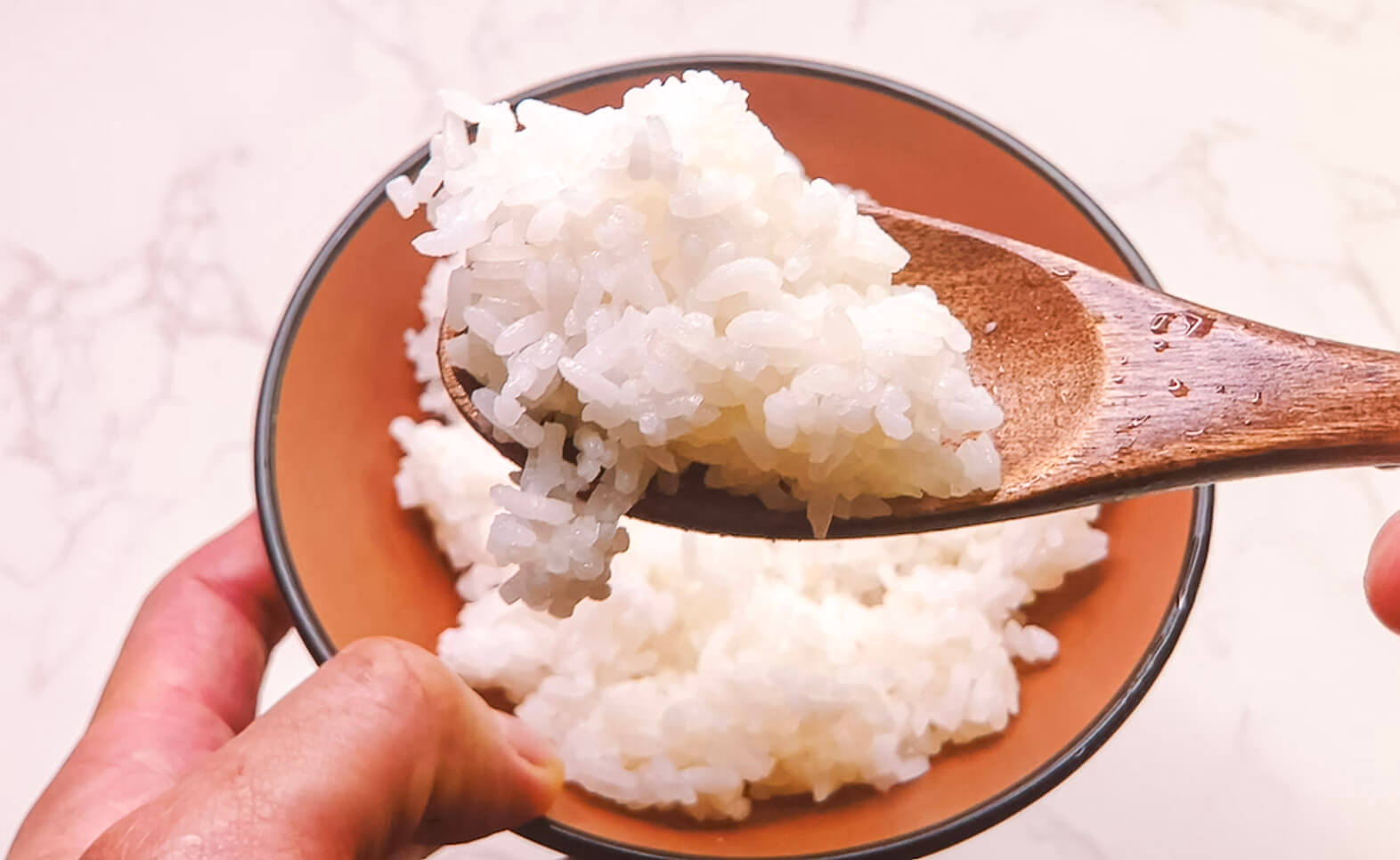
How to Cook Perfect White Rice (4 Methods Tested: Stovetop, Rice Cooker, Boiling & Microwave)
Tested with: short-grain, medium-grain (Calrose), jasmine, and basmati rice.
Cooking white rice should feel simple, not stressful. Once you understand a few basic ideas — like water ratio, cooking method, and resting time — making good rice becomes very easy.
As someone who grew up in rural Japan eating rice almost every day, I always thought rice was just rice. But after moving to Australia and cooking with different varieties, I discovered how much the texture, aroma, and cooking method can change the final texture and result.
In this guide, I tested four common types of white rice using four cooking methods: stovetop, rice cooker, boiling, and microwave. The goal isn’t to say that one method is the only “correct” way. Instead, it’s to help you find the approach that works best in your kitchen with the equipment you have.
One important thing to remember is that rice can vary from brand to brand. That means small adjustments are sometimes needed — a little more water, a little less heat, or a slightly longer rest.
That’s completely normal, and it’s part of learning how rice behaves.
The good news is that rice is very forgiving. If it ends up slightly softer or a bit firmer, it’s still delicious and perfect for everyday meals. The key is to start with a good baseline method, then adjust slightly until you find what works best for you.
Think of this guide as a starting point. Use the ratios and methods here, experiment a little, and have fun finding the style of rice you enjoy most.
Here’s What You’ll Learn in This Guide
This guide shows how to cook white rice perfectly using four reliable methods: stovetop absorption, rice cooker, boiling, and microwave. It also compares several factors that affect rice texture and flavor.




4 White Rice Types Explained
Short-grain Japanese rice, medium-grain Calrose, jasmine rice, and basmati rice — and how each one behaves during cooking.
Water Ratio Chart
Tested water ratios for each rice type so you can get consistent results.
4 Cooking Methods Compared
Stovetop absorption, boiling method, rice cooker, and microwave cooking — with notes on texture and ease.
Why Resting Rice Matters
A simple step that dramatically improves the final texture of cooked rice.
Common Rice Cooking Mistakes
How to avoid mushy rice, dry grains, or burnt bottoms.
Whether you’re cooking rice for simple weeknight meals, rice bowls, stir-fries, or Japanese-inspired dinners, this guide will give you a reliable starting point.
Jump to:
- White Rice Types Explained
- Why Rinsing Rice Matters
- 4 Ways to Cook White Rice
- Results: Comparing the Cooking Methods
- Water Ratios for Each Cooking Method
- Common Rice Cooking Mistakes
- Final Thoughts
- How to Reheat Rice Properly
- Recipes That Pair Well With Rice
White Rice Types Explained

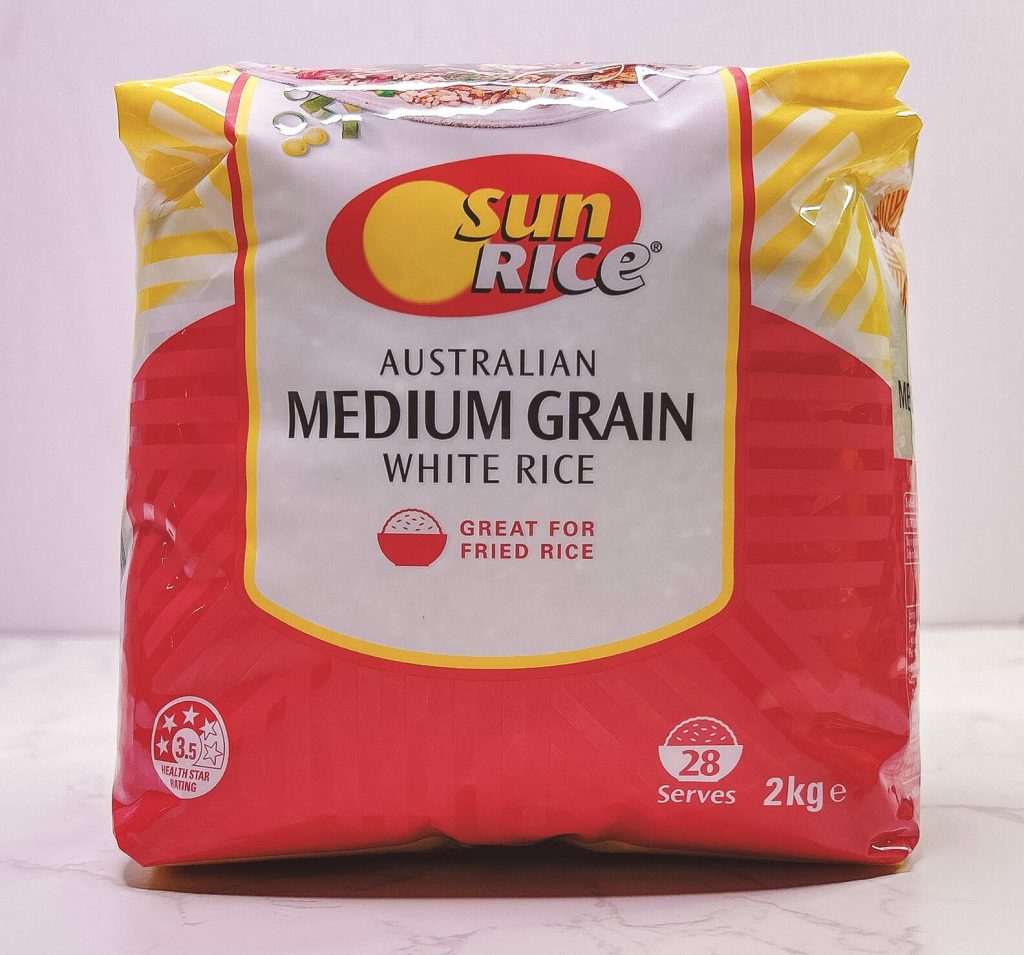
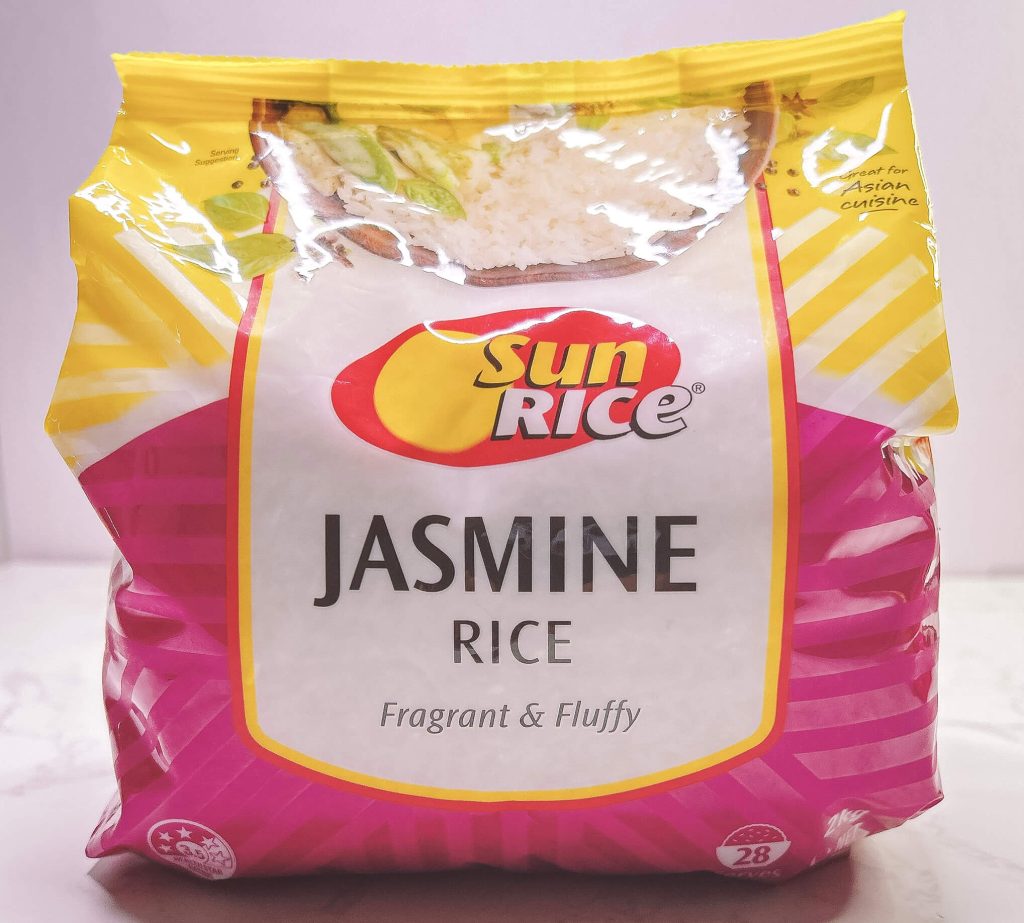
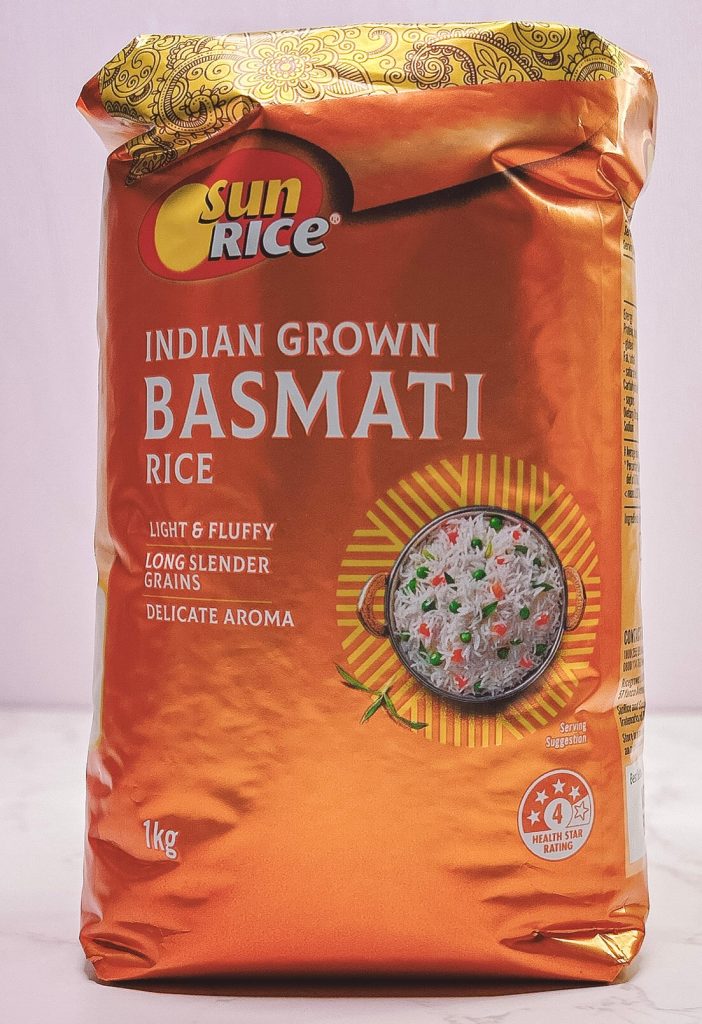
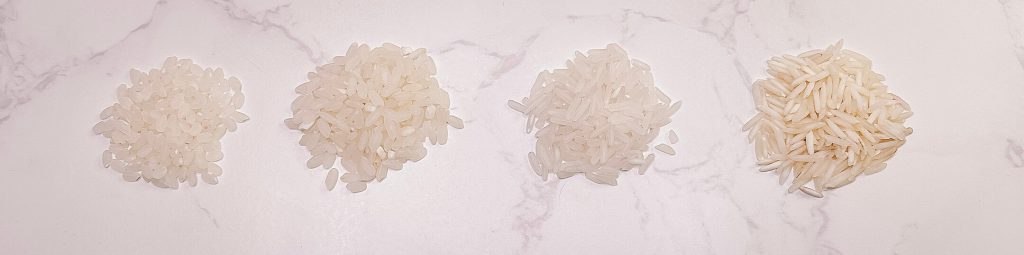
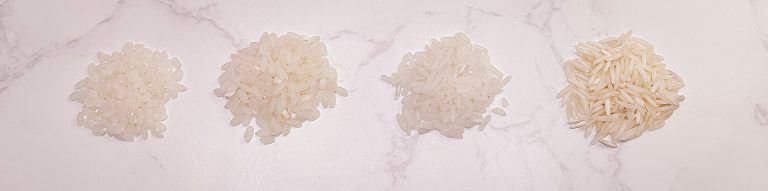
Raw rice comparison: short grain, medium grain, jasmine and basmati rice.
Not all white rice cooks the same. Grain length and starch content affect how the rice absorbs water and how the final texture turns out.
For this guide, I tested four common types of white rice that are widely available in supermarkets.
Short-Grain Rice (Japanese Rice)
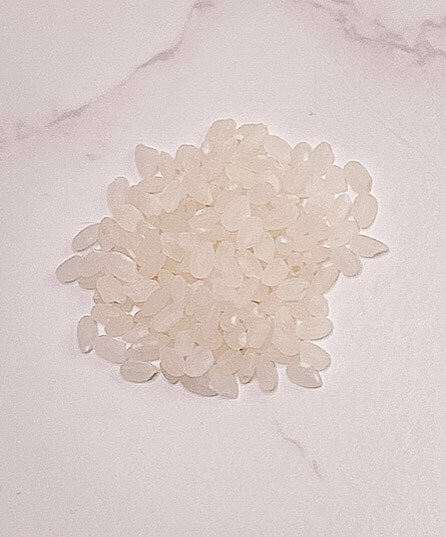
Short-grain rice is the type most commonly eaten in Japan. The grains are short and slightly round, and they contain a higher level of starch. When cooked, the rice becomes soft and slightly sticky, allowing the grains to cling together.
This texture works well for dishes where rice needs to hold together, such as sushi, rice bowls, or simple Japanese meals served with grilled fish or vegetables.
Medium-Grain Rice
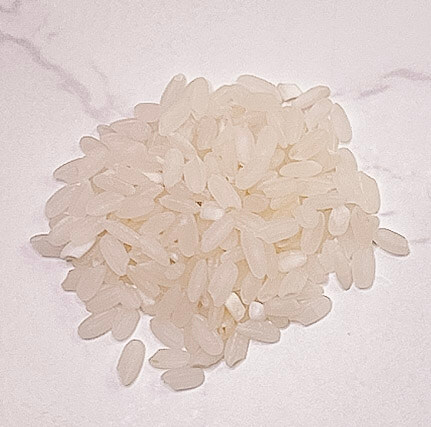
Medium-grain rice sits between short-grain and long-grain rice in both shape and texture. The grains are slightly longer than Japanese short-grain rice but still contain enough starch to become soft and lightly cling together when cooked.
In Australia, this rice is usually sold simply as medium-grain rice in supermarkets. Many of these varieties belong to the Calrose family, a widely grown medium-grain rice originally developed in California.
When cooked, medium-grain rice becomes tender with a gentle cling between the grains — softer than long-grain rice but less sticky than Japanese short-grain rice. This balanced texture makes it a very versatile rice for everyday cooking.
Medium-grain rice works well with:
• rice bowls and donburi-style meals
• stir-fries and saucy dishes
• grilled meats or fish
• simple everyday meals where you want soft but separate grains
Because it absorbs flavours well without becoming overly sticky, many home cooks use medium-grain rice as a reliable all-purpose rice for daily meals.
Jasmine Rice (Long-Grain)

Jasmine rice is a fragrant long-grain rice originally from Thailand. The grains are long and slender, and when cooked properly they remain fluffy and separate rather than sticky.
Jasmine rice also has a gentle floral aroma, which makes it a popular choice for Southeast Asian dishes.
Basmati Rice
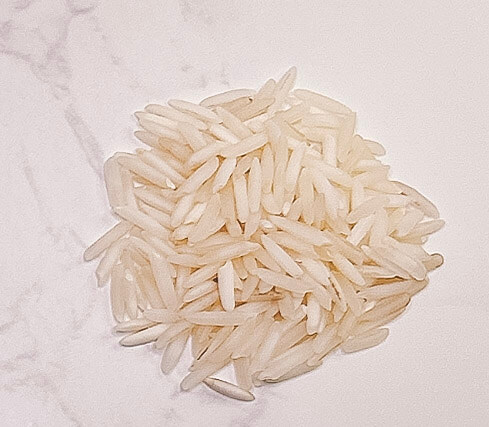
Basmati rice is another long-grain variety, commonly used in Indian and Middle Eastern cooking. The grains are very long and cook up light, fluffy, and separate.
During testing, basmati rice required noticeably more water than the other varieties to achieve a soft but fluffy texture. Once rested properly after cooking, the grains become long, delicate, and aromatic.
Why Rinsing Rice Matters
Rinsing rice before cooking is a simple step that can noticeably improve the final texture.
Raw rice grains are naturally coated with fine surface starch created during milling and processing. If this starch isn’t rinsed away, the grains can cook unevenly and become overly sticky or gummy.
Rinsing removes this excess starch and helps the grains cook more cleanly and evenly.
Another important detail is that rice absorbs a small amount of water during washing. Even after draining well, the grains hold some moisture.
In my testing, 150 g of raw rice increased to about 165–170 g after washing and draining — nearly 10% more weight.
Because of this, the water ratios used in this guide are based on washed rice. If you cook completely unwashed rice, it may require slightly more cooking water.

First step: quickly rinse the rice under running water to remove surface starch. 
Rinsing rice by hand to remove surface starch before cooking. 
Drain the rice well in a strainer after the quick rinse. 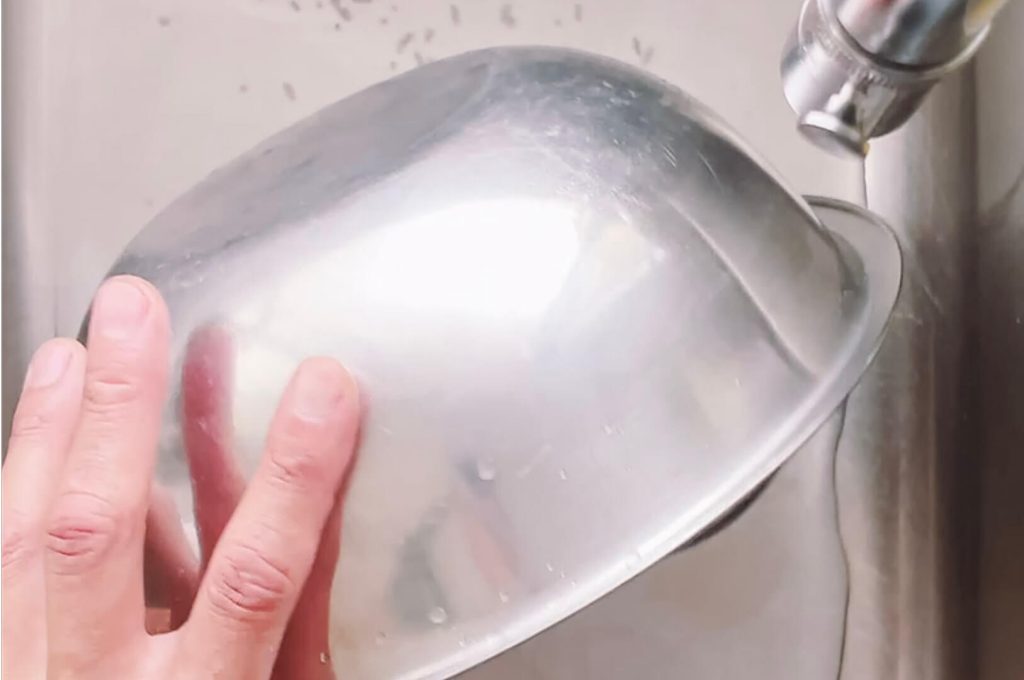
Pour off the cloudy water after washing the rice. 
Rub the rice gently with your hand before adding water. 
Rinse the rice again under running water after washing.
Drain the rice with a strainer. Pour off the cloudy water after washing the rice. Rub the rice gently with your hand before adding water.
Rinse the rice again under running water after washing. Drain the rice with a strainer. 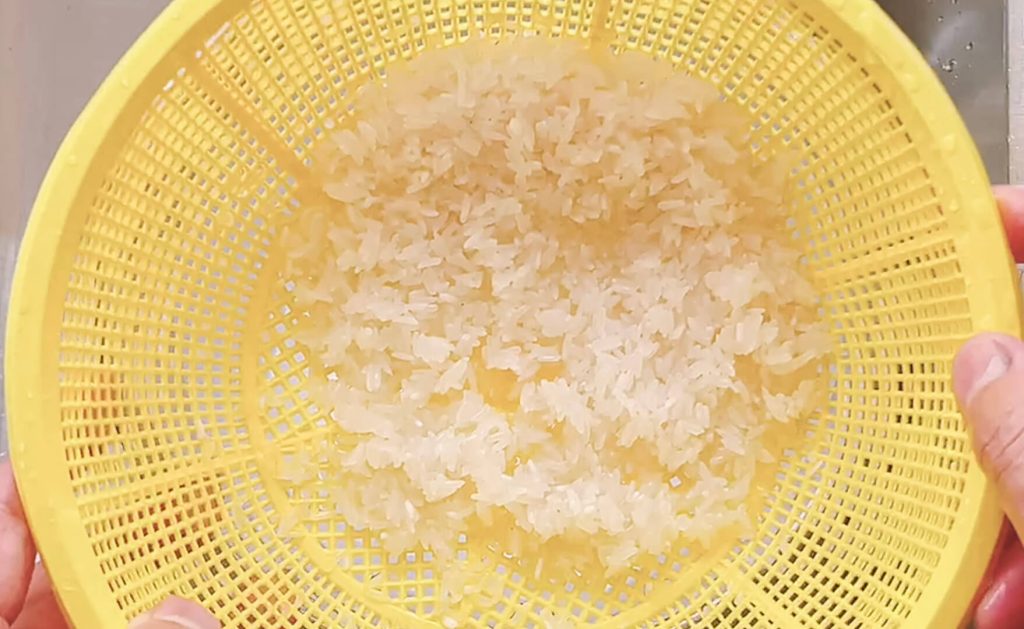
After washing twice, the rice is drained and ready for cooking.
How to Rinse Rice
Place the rice in a bowl and add cold water. Gently swirl the rice with your hand to loosen the starch, then drain the cloudy water. Repeat this process two or three times until the water becomes noticeably clearer.
The first rinse should be quick. Dry rice absorbs water very quickly, so it’s best to pour in water, swirl briefly, and drain immediately. This helps prevent the grains from absorbing any dust or stale smell from the first rinse water.
After rinsing, drain the rice well before cooking so the remaining water doesn’t affect the cooking ratio.
💡 Chef’s Tip:

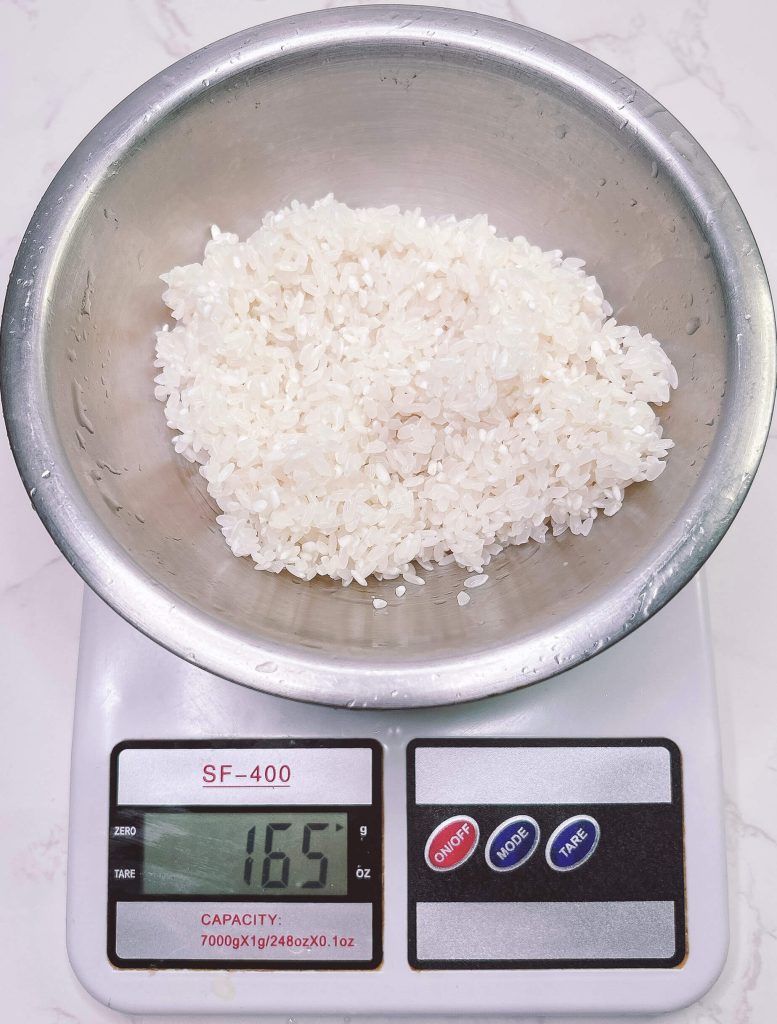
One chef I worked with once pointed out that rice absorbs a small amount of water during rinsing. For example, 150 g of raw rice can increase to around 165–170 g after washing and draining. Because of this, washed rice and unwashed rice may require slightly different water ratios when cooking.
4 Ways to Cook White Rice
There are several reliable ways to cook white rice, and the best method often depends on the equipment you have in your kitchen. In this guide, I tested four common methods so you can choose the one that works best for your kitchen setup.
Each method can produce excellent rice when the correct water ratio, cooking time, and resting time are used.
Stovetop Absorption Method
This is one of the most traditional ways to cook rice. The rice cooks in a measured amount of water, and the grains absorb all of the liquid during cooking.
Best for: Cooking rice on the stove when you don’t have a rice cooker and are comfortable managing heat and timing.
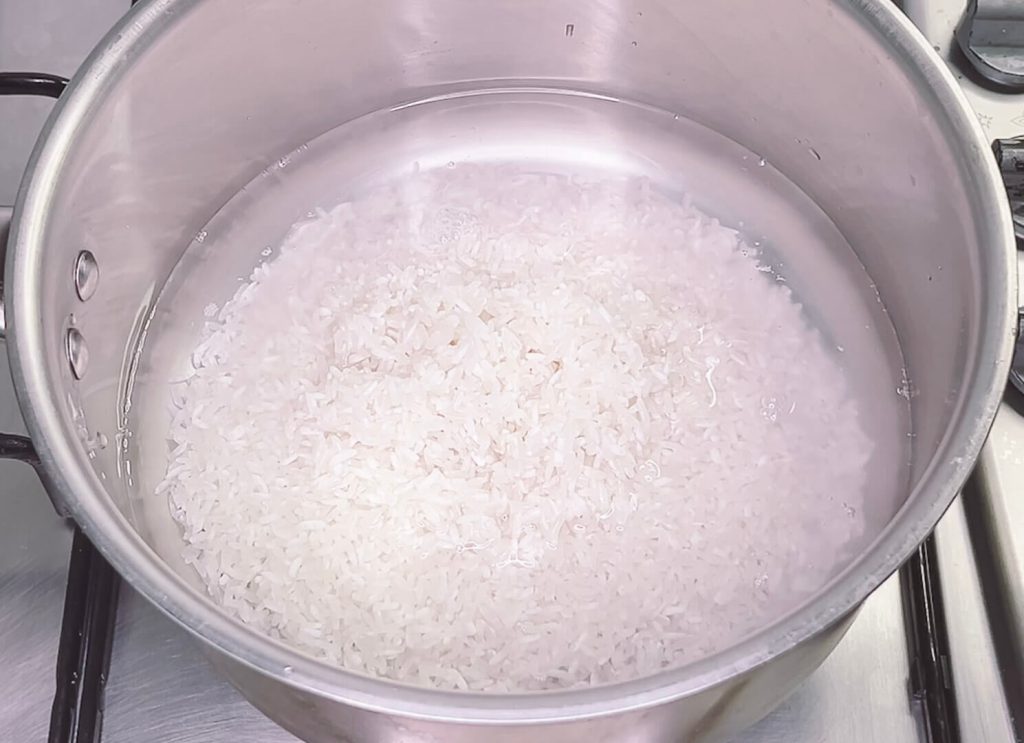
Rice and water measured in a pot before starting the absorption cooking method. 
Rice and water heating in a pot until it reaches a boil. 
Cover the pot and cook the rice gently on low heat. 
Let the rice rest covered for about 10 minutes after cooking to finish steaming. 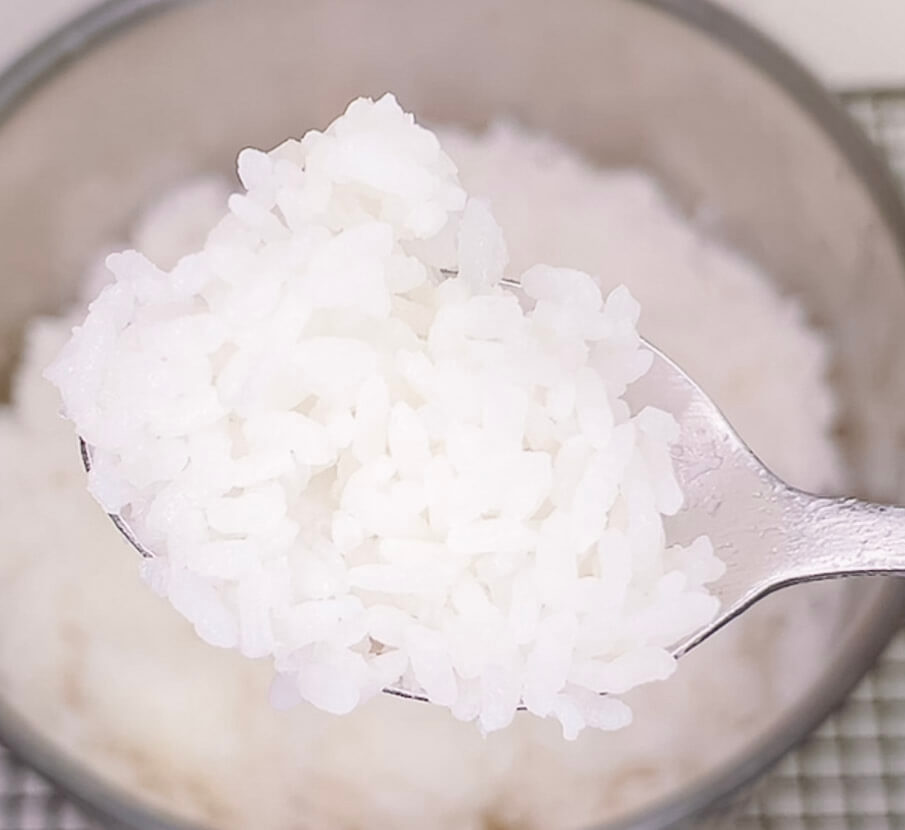
Fluffy white rice cooked using the absorption method.
Steps
- Weigh 150 g rice.
- Rinse the rice 2–3 times until the water becomes mostly clear.
- Drain well.
- Add rice and measured water to a pot.
- Bring to a gentle boil uncovered over medium heat.
- Once boiling starts, cover with a lid and reduce heat to low.
- Cook for 10–12 minutes, depending on the rice type and stove heat.
- Turn off the heat and rest the rice at least 15 minutes (30 minutes is even better).
- Fluff gently before serving.
Rice Cooker Method
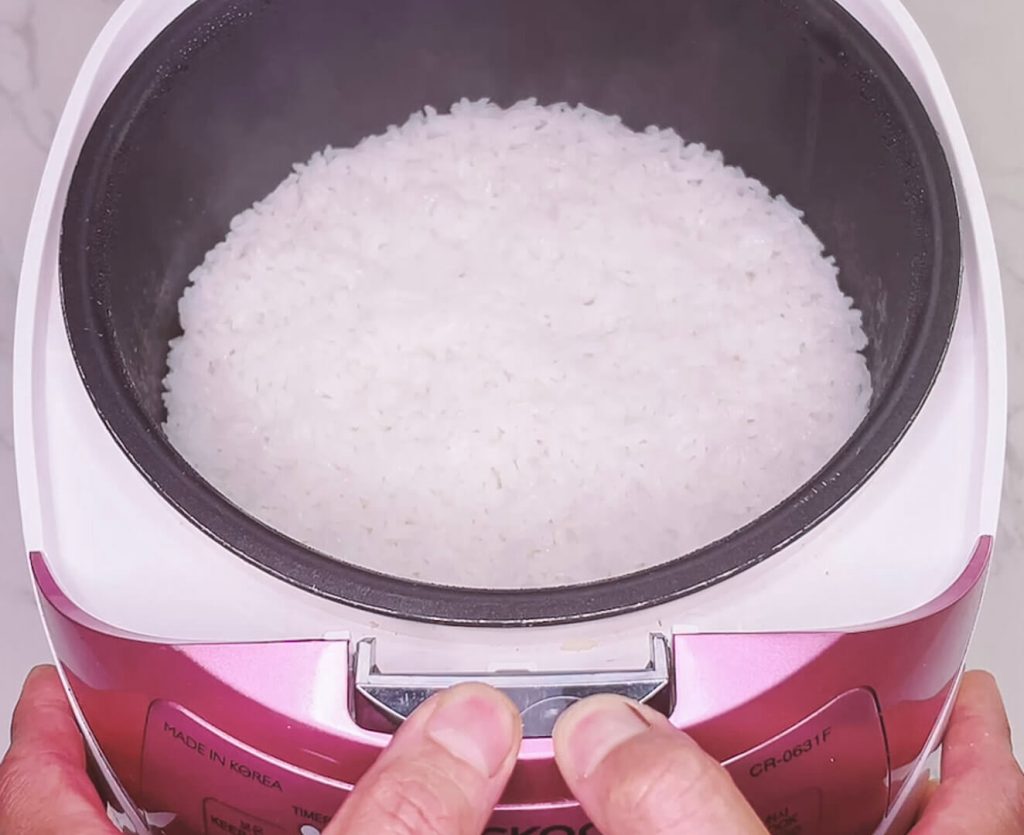
A rice cooker automates the absorption method by controlling heat and cooking time automatically. Once the water has been absorbed, the cooker switches to a warming mode.
Best for: The easiest and most reliable results. Ideal if you have a rice cooker and want consistently perfect rice with minimal effort.
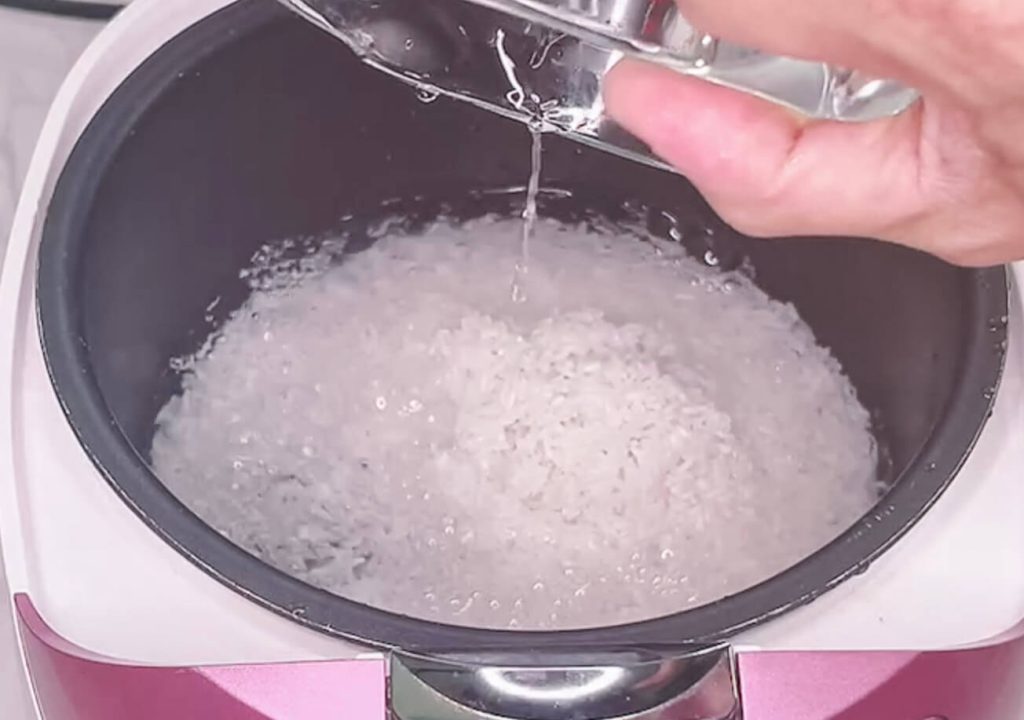
Add water to the washed rice in the rice cooker bowl before cooking. 
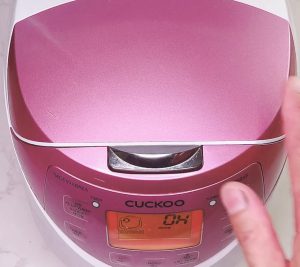
Close the rice cooker lid and start the cooking cycle. 
Rice cooker automatically switches to warm mode when the rice is finished cooking. 
Do not open the rice cooker immediately after it finishes cooking. 
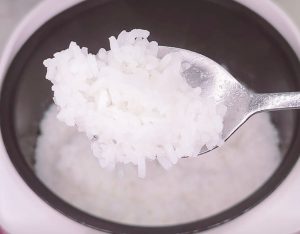
Fluffy white rice after cooking in the rice cooker. 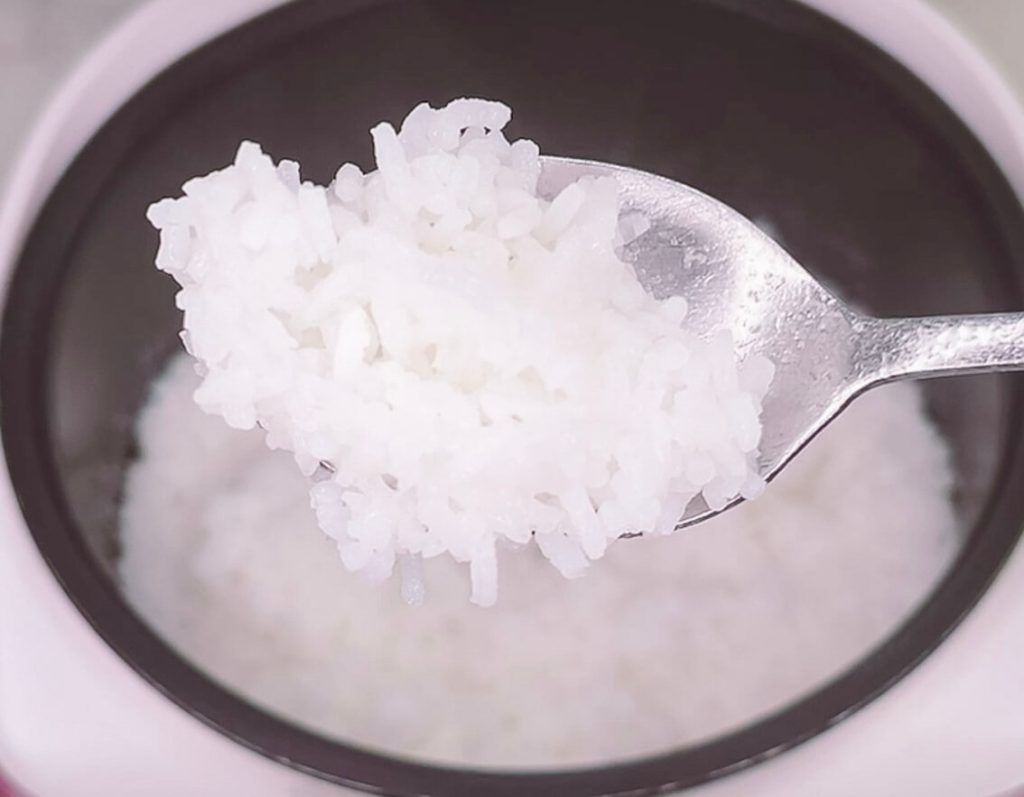
Fluffy white rice cooked using the rice cooker method.
Steps
- Weigh 150 g rice.
- Rinse rice 2–3 times and drain well.
- Add rice and measured water to the rice cooker bowl.
- Select the white rice setting.
- Allow the cooker to complete the cooking cycle.
- Once finished, rest the rice with the lid closed for at least 15 minutes.
- Fluff gently before serving.
Boiling Method
The boiling method cooks rice in a large pot of water, similar to cooking pasta. The rice is drained once it reaches the desired texture.
Best for: When you’re unsure about rice-to-water ratios or stove heat control. This method is forgiving and reduces the risk of burning rice.

Add the rice to a pot of boiling water to start the boiling method. 
Give the rice one quick stir so it does not stick to the bottom. 
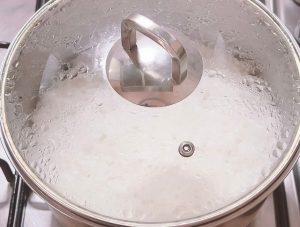
Rice boiling in water during the cooking process. 
Check if the rice is tender before draining. 
Drain the cooked rice in a strainer. 
Let the rice rest in a strainer so it drains well. 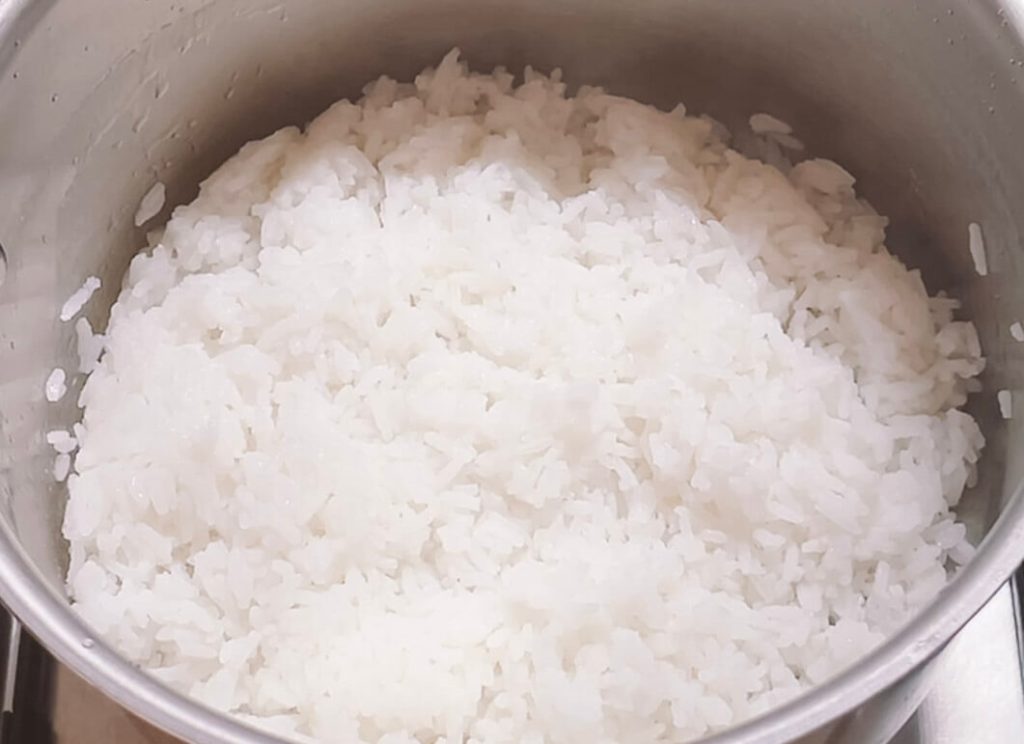
Transfer the drained rice back to a warm pot to rest. 
Fluffy white rice after cooking using the boiling method.
Steps
- Bring a large pot of water to a boil.
- Add 150 g rinsed rice.
- Cook uncovered for 8–10 minutes, depending on the rice type.
- Drain the rice in a sieve or colander.
- Let the rice sit 2–3 minutes to drain completely.
- Return the rice to the warm pot and cover with a lid.
- Rest 5–10 minutes, then fluff gently before serving.
Microwave Method
Microwaving rice is a convenient option when cooking small portions or when a stove isn’t available.
Best for: Small portions, when no stove or rice cooker is available, or when the stove is already in use.
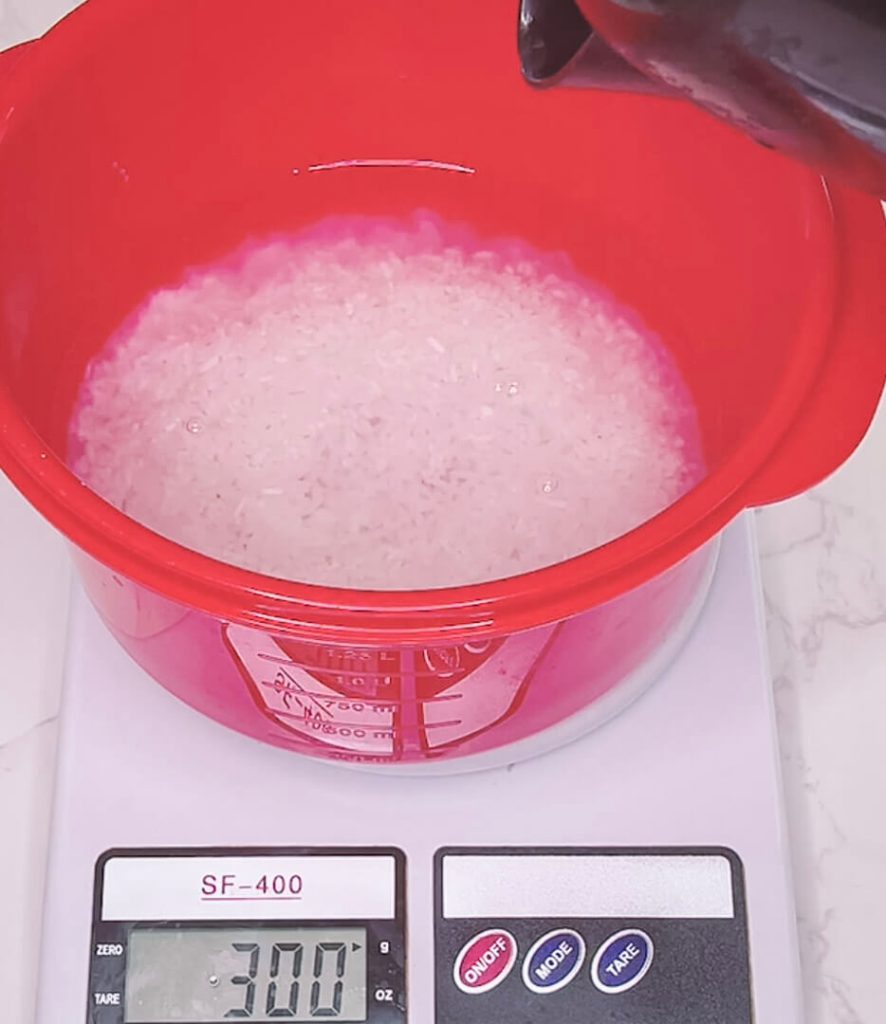
Add boiling water to the rice before microwave cooking. 
Cover the rice with a vented lid before microwaving. 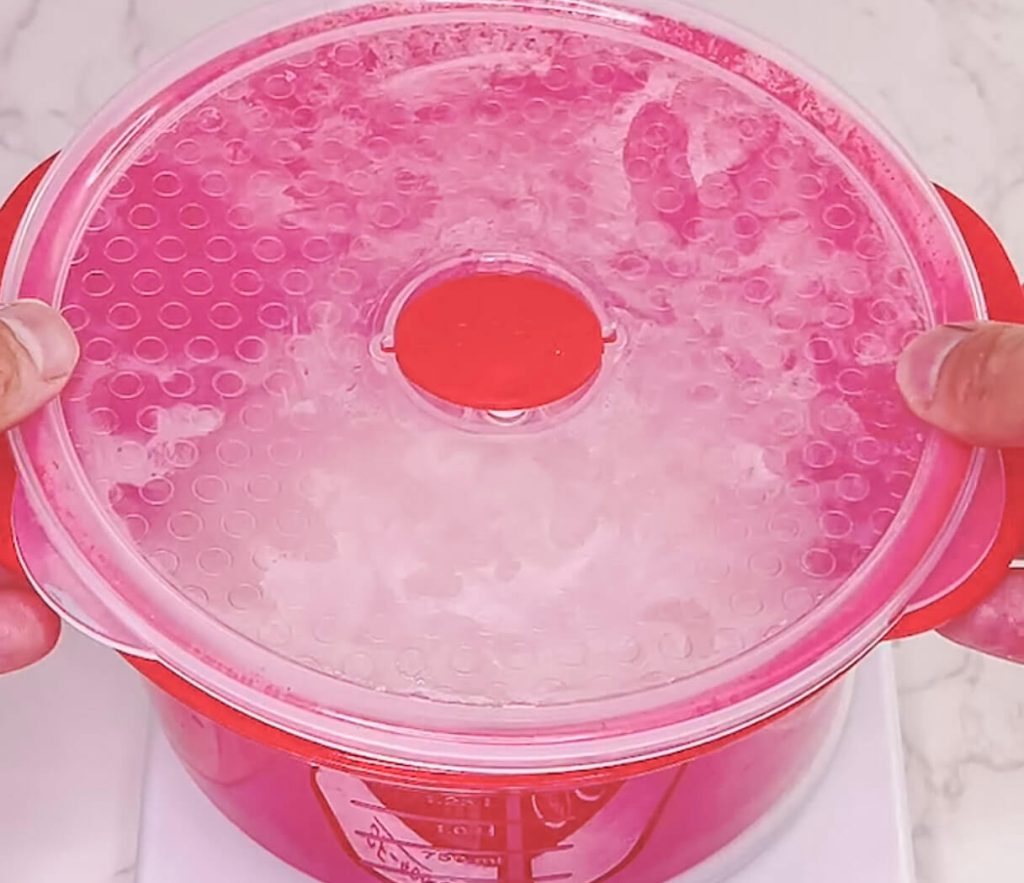
Cover the container before cooking the rice in the microwave. 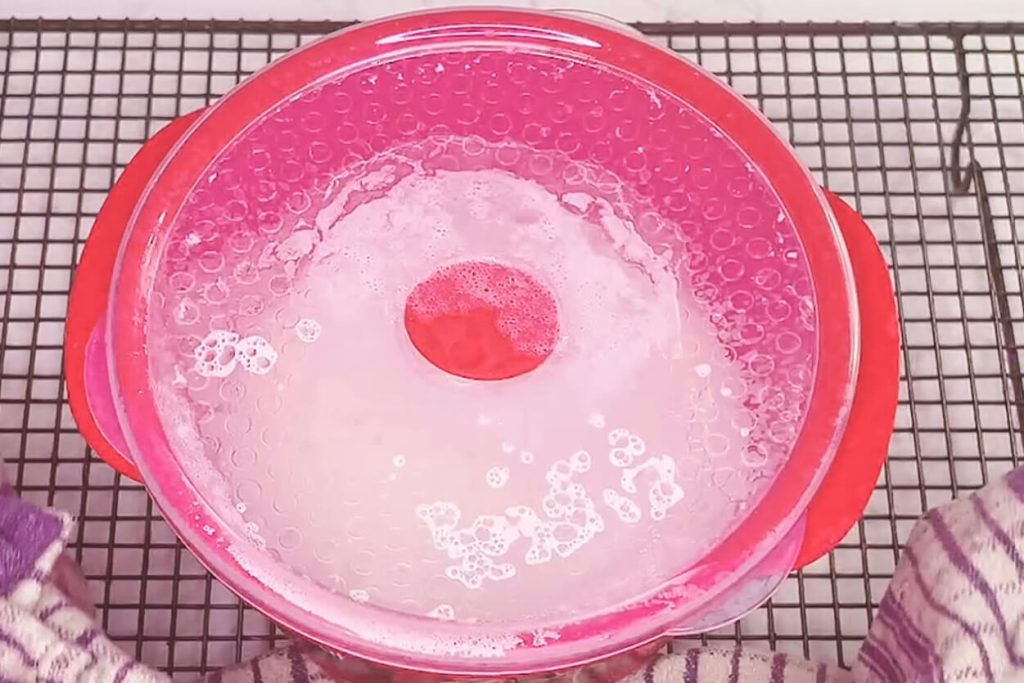
Let the rice rest in the container after microwave cooking. 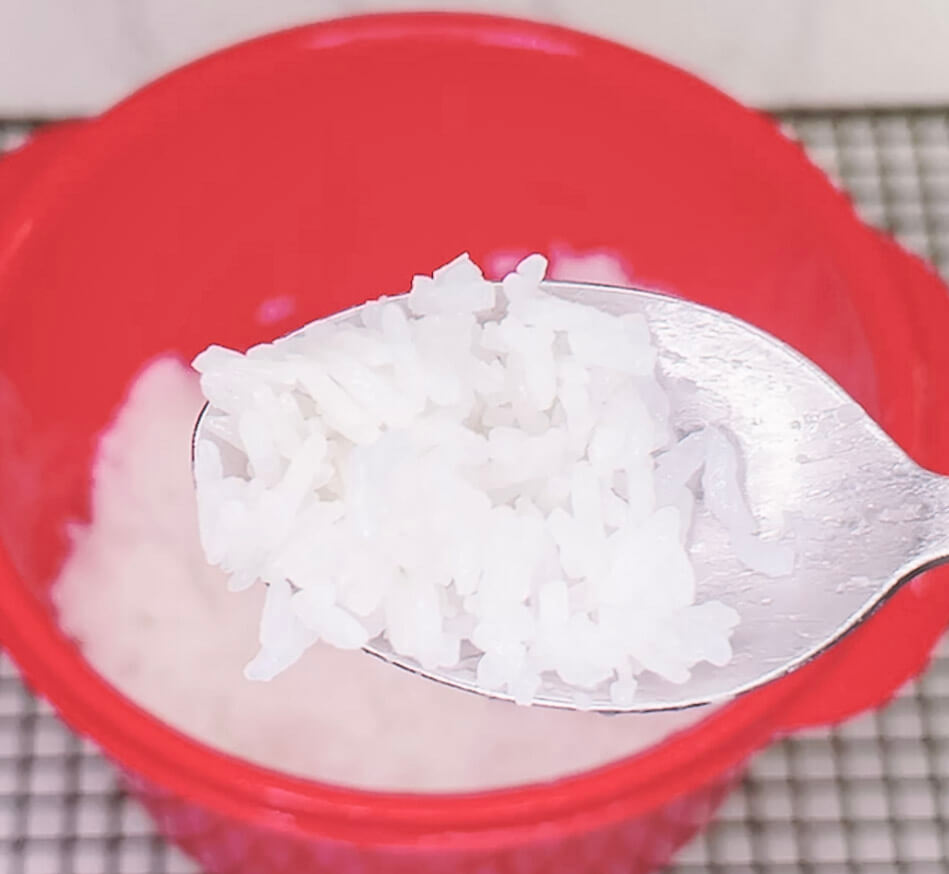
Fluffy white rice after microwave cooking.
Steps
- Weigh 150 g rice.
- Rinse rice 2–3 times and drain well.
- Place rice in a deep microwave-safe container.
- Add the measured boiling water.
- Microwave on high for 10–12 minutes, depending on your microwave strength.
- Cover the container with a lid or plate.
- Let the rice rest at least 15 minutes.
- Fluff before serving.
The resting stage allows the rice to finish steaming and improves the final texture.
Results: Comparing the Cooking Methods
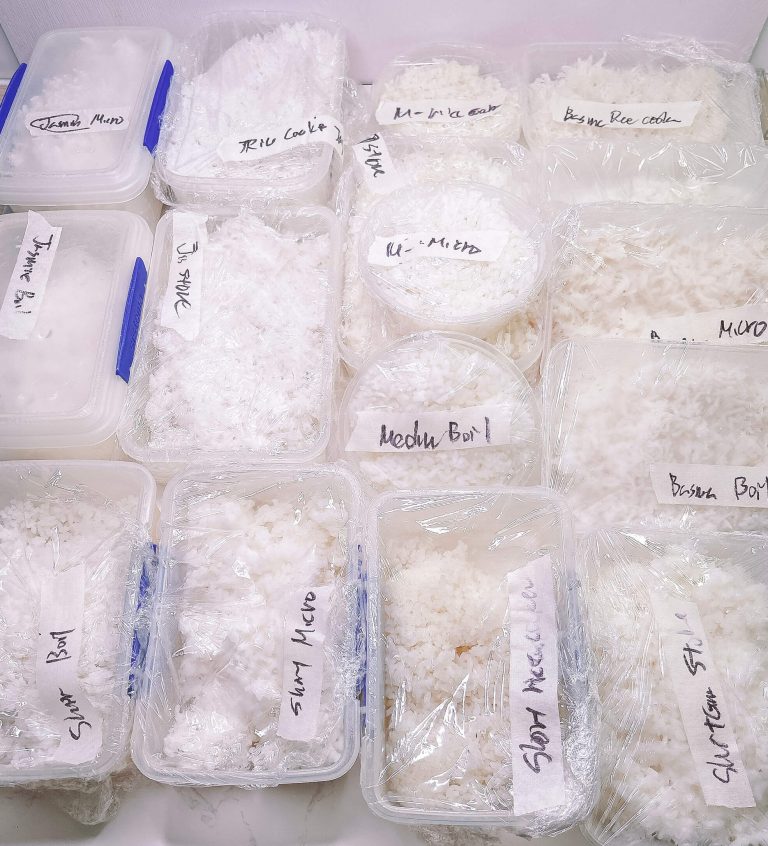
Multiple rice test batches prepared for cooking method comparisons.
After testing multiple types of white rice using four cooking methods, clear differences became obvious. Each method can produce good rice, but the level of control, consistency, and effort varies quite a bit.
Stovetop Absorption Method

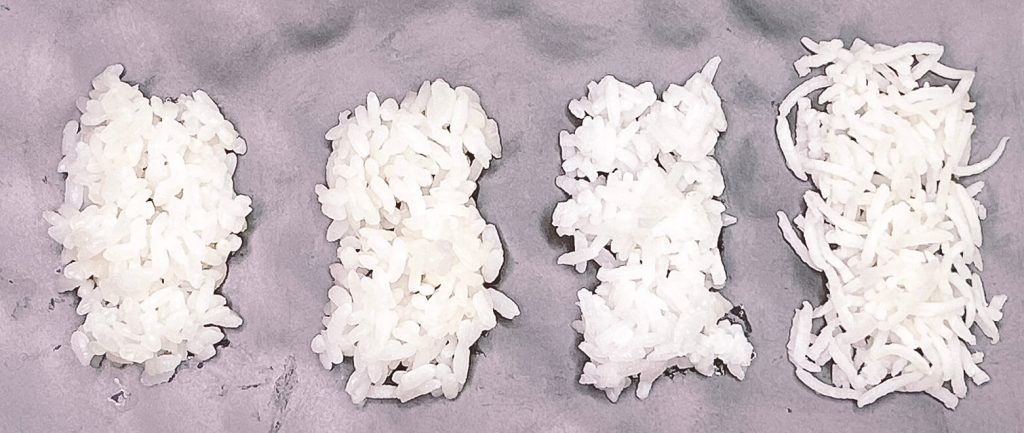
Cooked rice comparison using the stovetop absorption method: from left short grain, medium grain, jasmine and basmati.
The stovetop absorption method works well for all rice varieties and can produce excellent texture when done correctly. However, it requires careful heat control and attention during cooking.
Small differences in stove power, pot thickness, or batch size can affect the final result. When cooking larger amounts of rice, managing heat becomes more difficult, and it’s easier to end up with slightly dry rice at the bottom or undercooked grains if the heat is not balanced properly.
For cooks who understand their stove and pot well, this method can produce very good rice, but it is also the most technical method of the four tested.
Rice Cooker Method
The rice cooker produced the best overall results in testing.
Because the cooker automatically controls temperature and cooking time, the rice cooks evenly with minimal effort. Once the water has been absorbed, the cooker switches to warming mode.
Even though the cooker indicates the rice is finished, it’s best to let the rice rest for at least 15 minutes before opening the lid. This allows the remaining steam to distribute evenly and helps the grains finish cooking.
This makes the method extremely reliable. There is no need to monitor the pot, adjust the heat, or worry about burning the rice. Across all rice types tested, the rice cooker consistently produced fluffy rice with well-separated grains.
For most home kitchens, a rice cooker is simply the easiest and most dependable way to cook rice. If you have one available, it produces the best results with the least effort.
Boiling Method
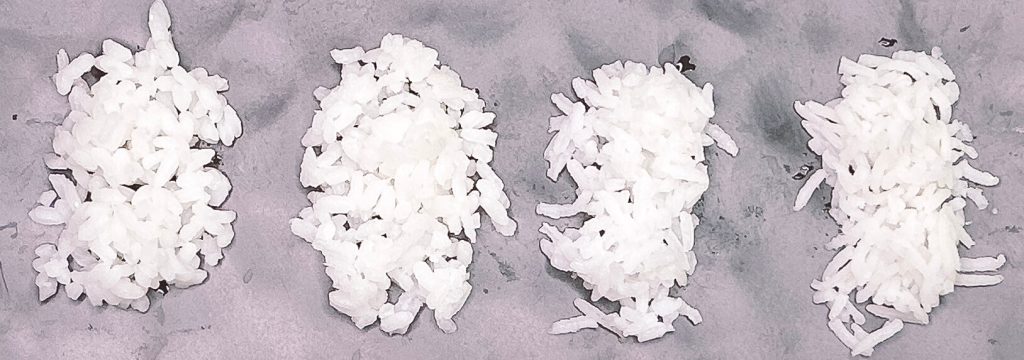
From left: short grain, medium grain, jasmine, and basmati rice cooked using the boiling method.
The boiling method is simple and forgiving, especially when cooking in an unfamiliar kitchen.
Since the rice cooks in a large volume of water, there is very little risk of burning the rice due to incorrect water ratios or stove heat. This makes it a useful method when you are unsure about stove strength or pot size.
However, the texture can sometimes be slightly wetter even after draining and resting. In testing, basmati rice worked particularly well with this method, while shorter-grain varieties tended to feel softer compared with absorption methods.
When I worked in unfamiliar kitchens and needed to cook large amounts of rice quickly for staff meals, this was often the method I relied on because it is very difficult to ruin.
Microwave Method
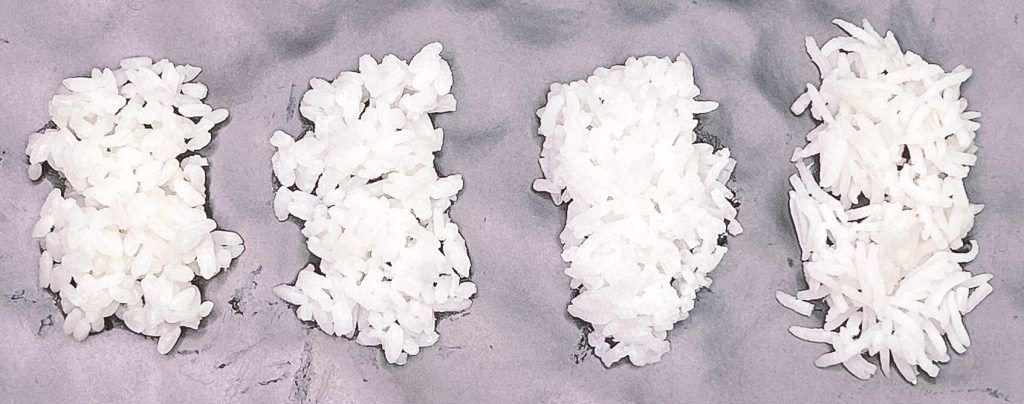
Microwave cooking can work for small portions but has some limitations.
The container needs enough space for the water to expand while boiling. If the lid is not properly vented, the water can overflow or push the lid open and make a mess inside the microwave.
The texture can be acceptable, but in my experience it is less consistent than stovetop or rice cooker methods. Microwave cooking is most useful when preparing a small amount of rice, when no stove or rice cooker is available, or when the stove is already being used for other dishes.
One place where the microwave performs very well is reheating cooked rice, which often restores moisture and softness effectively.
Water Ratios for Each Cooking Method
Stovetop Absorption Method
| Rice Type | Ratio | Water for 150 g Rice |
|---|---|---|
| Short-grain rice | 1 : 1.2 | 180 g |
| Medium-grain rice | 1 : 1.35 | 200 g |
| Long-grain rice / Jasmine | 1 : 1.5 | 225 g |
| Basmati rice | 1 : 2.0 | 300 g |
This method relies on the rice absorbing all the water during cooking, so the correct ratio is important for achieving fluffy grains.
Rice Cooker Method
| Rice Type | Ratio | Water for 150 g Rice |
|---|---|---|
| Short-grain rice | 1 : 1.1 | 165 g |
| Medium-grain rice | 1 : 1.25 | 188 g |
| Long-grain rice / Jasmine | 1 : 1.4 | 210 g |
| Basmati rice | 1 : 2.0 | 300 g |
Rice cookers usually require slightly less water because the lid seals well and very little steam escapes during cooking.
Boiling Method
The boiling method does not require a fixed water ratio.
Instead, rice is cooked in a large pot of boiling water, similar to cooking pasta. Once the rice reaches the desired texture, it is drained in a sieve and rested briefly before fluffing.Typical amount: 150 g rice to about 1.2 L water.
Typical cooking times:
| Rice Type | Cooking Time |
|---|---|
| Short-grain rice | 8-10 minutes |
| Medium-grain rice | 8-10 minutes |
| Long-grain rice | 8-10 minutes |
| Basmati rice | 8–10 minutes |
Microwave Method
Microwaving rice requires more water because some liquid evaporates quickly during cooking.
| Rice Type | Ratio | Water for 150 g Rice |
|---|---|---|
| Short-grain rice | 1 : 2 | 300 g |
| Medium-grain rice | 1 : 2 | 300 g |
| Long-grain rice | 1 : 2 | 300 g |
| Basmati rice | 1 : 2.3 | 350 g |
Common Rice Cooking Mistakes (and How to Fix Them)
Rice is simple to cook once you understand a few basics. If it turns out too soft, too firm, or unevenly cooked, the cause is usually one of these common issues.
Mushy or Overly Soft Rice
This usually happens when too much water is used or the rice cooks for too long.
How to fix it next time:
- Reduce the water slightly.
- Make sure the rice is well drained after rinsing.
- Avoid opening the lid during absorption cooking, which can disrupt the steaming process.
If the rice becomes very soft, don’t throw it away. Simply add more water or stock and simmer it longer to turn it into a simple rice porridge (congee).
Rice Still Hard in the Center
If the rice feels firm or undercooked, it usually means there wasn’t enough water or the cooking time was too short.
How to fix it:
- Add 3–5 tablespoons of water over the rice.
- Cover the container or bowl.
- Microwave for 2–3 minutes, then let the rice rest for a few minutes.
The added water creates steam that helps the grains continue cooking.
If the rice is still firm, add a little more water and repeat the process until the rice becomes soft enough to eat. Keep in mind that once rice is undercooked, it usually won’t return to perfectly fluffy grains — the goal is simply to soften the grains enough to make the rice enjoyable.
For larger portions, you can also return the rice to a pot, add some water, cover with a lid, and cook gently for a few more minutes.
Rice Sticking to the Bottom of the Pot
Sometimes rice sticks to the bottom of the pot during absorption cooking. This usually happens if the heat is slightly too high.
If the rice on the bottom turns brown but not burnt black, it is still perfectly edible. In many cuisines this crispy layer of rice is actually considered a delicious part of the dish.
Simply fluff the rice gently and enjoy the crunchy pieces mixed in with the soft rice.
Rice Too Dry
Rice can become dry if there isn’t enough water or if it sits uncovered after cooking.
How to fix it:
- Sprinkle a small amount of water over the rice.
- Cover the pot or container.
- Heat gently or microwave briefly so the rice can steam and soften again.
Final Thoughts
Cooking rice is actually one of the easiest things to cook once you understand the basic water ratios and how different rice varieties behave. A batch of rice can also be cooked ahead of time and reheated easily in the microwave, making it very practical for everyday meals. With just a small condiment, sauce, or side dish, a simple bowl of rice can already make a satisfying meal.
If you have a rice cooker, it’s the easiest option—just follow the basic ratio and let the cooker do the work. If not, any of the other methods in this guide can work well depending on your kitchen setup.
Rice is also very forgiving. Even if it turns out slightly softer or firmer than expected, it will still work well with most dishes because rice is usually eaten alongside other foods that add flavor and texture.
Use the ratios and methods in this guide as a starting point, then adjust slightly depending on the rice you use and the texture you prefer. With a little practice, cooking rice quickly becomes second nature—and a dependable base for countless meals.
How to Reheat Rice Properly
Leftover rice can dry out in the refrigerator, but reheating it correctly restores moisture and texture.
Microwave Method (Best)
The microwave is the most effective way to reheat rice.
Place the rice in a bowl and add 1–2 tablespoons of water per cup of rice. Cover the bowl loosely with a lid or damp paper towel and heat until hot.
The added moisture turns into steam, which helps rehydrate the rice and soften the grains again.
Stovetop Method
You can also reheat rice in a small pot.
Add a small splash of water, cover the pot, and warm the rice over low heat for a few minutes, stirring occasionally until heated through.
Rice Cooker (Keep Warm)
If the rice is already in a rice cooker, you can reheat it using the keep warm setting.
Sprinkle a small amount of water over the rice, close the lid, and allow the rice to warm gently. The steam will help restore moisture and soften the grains again.
This method works well, but it is much slower than using a microwave and can take 30 minutes or longer, so it’s mainly useful when the rice is already in the cooker.
Important Tip
Cold rice should always be reheated until fully steaming hot before eating.
Recipes That Pair Well With Rice
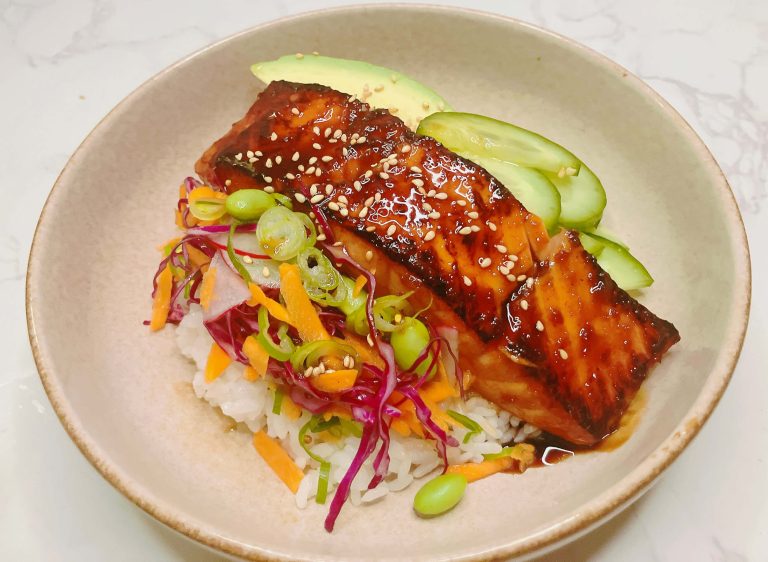
Rice is one of the easiest foundations for quick dinners. Once you have a good batch ready, serve it with teriyaki chicken, salmon bowls, beef stir-fries, or simple Japanese-inspired meals.

How to Cook White Rice (4 Methods Tested)
Equipment
- 1 Pot with lid for stovetop absorption method
- 1 Rice cooker the best method
- 1 Microwave-safe container with lid for microwave method
- 1 Large pot for boiling method
- 1 Bowl for washing rice
- 1 Fine strainer or sieve for rinsing and draining rice
Ingredients
White rice – 150 g (short-grain, medium-grain, jasmine, or basmati)
- Water depends on cooking method
Stovetop absorption method:
- Short-grain rice – 180 g water
- Medium-grain rice – 200 g water
- Jasmine rice – 225 g water
- Basmati rice – 300 g water
Rice cooker method:
- Short-grain rice – 165 g water
- Medium-grain rice – 188 g water
- Jasmine rice – 210 g water
- Basmati rice – 300 g water
Boiling method:
- 1.5 L water
Microwave method:
- Short-grain rice – 300 g water
- Medium-grain rice – 300 g water
- Jasmine rice – 300 g water
- Basmati rice – 350 g water
Instructions
- Rinse the rice quickly under running water, drain, then wash the rice twice. Drain well before cooking.
Choose one cooking method below.
Stovetop Absorption Method
- Add rinsed rice and the measured water to a pot.
- Bring to a gentle boil over medium heat.
- Once boiling, cover with a lid and reduce heat to low.
- Cook for 10-12 minutes without opening the lid.
- Turn off the heat and rest the rice covered for at least 15 minutes.
- Fluff gently before serving.
Rice Cooker Method
- Add rinsed rice and the measured water to the rice cooker bowl.
- Start the white rice setting.
- Once the cooker switches to warm, keep the lid closed and rest the rice for 15 minutes.
- Fluff gently before serving.
Boiling Method
- Bring 1.5 litres of water to a boil in a large pot.
- Add the rinsed rice.
- Cook for 8–10 minutes until tender.
- Drain the rice in a sieve or colander.
- Return to the warm pot, cover, and rest for 5 minutes before fluffing.
Microwave Method
- Place rinsed rice in a deep microwave-safe container.
- Add the measured boiling water.
- Microwave on high for 12 minutes.
- Cover and let the rice rest for at least 15 minutes.
- Fluff before serving.
Notes
👉 Thanks for visiting! If you try this recipe, I’d love to hear how it turned out.
Leave a comment or tag me on Instagram @seasonedwithflavor — it makes my day!