Ultimate Homemade Teriyaki Sauce Recipe Guide – Pantry, Keto, Glaze & More
Welcome to the Ultimate Teriyaki Sauce Guide — your complete breakdown for making authentic, customizable teriyaki sauce at home.
👉 You’ll learn how to:
- Build traditional or dietary versions (no mirin, keto, gluten-free, soy-free)
- Reduce to the right thickness for glazes
- Fix issues like runny texture, over-saltiness, or lack of shine
At home, I keep a pantry version ready for last-minute meals — steak, fish, stir-fried vegetables. At my café, I used to serve a rich teriyaki onion gravy with wagyu sausage and mash. Writing this guide helped me go deeper — testing things I usually eyeball like sugar levels and reduction weight.
Teriyaki is the most famous Japanese sauce outside Japan — but most teriyaki sauce recipes don’t explain how to adapt it. This one does. With tested ratios, ingredient comparisons, and pro tips, you’ll know how to make it work for your diet, your pantry, and your style.
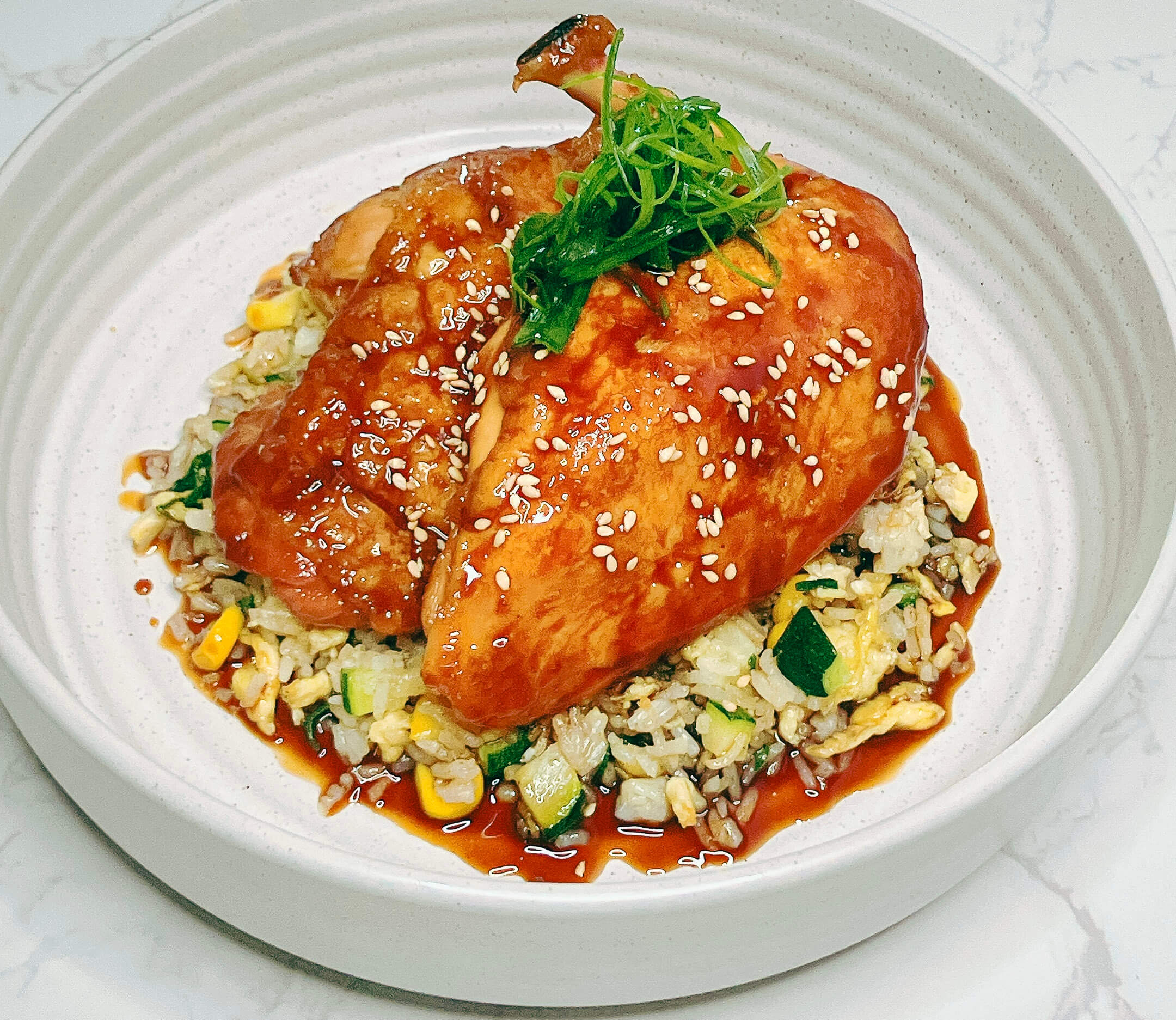
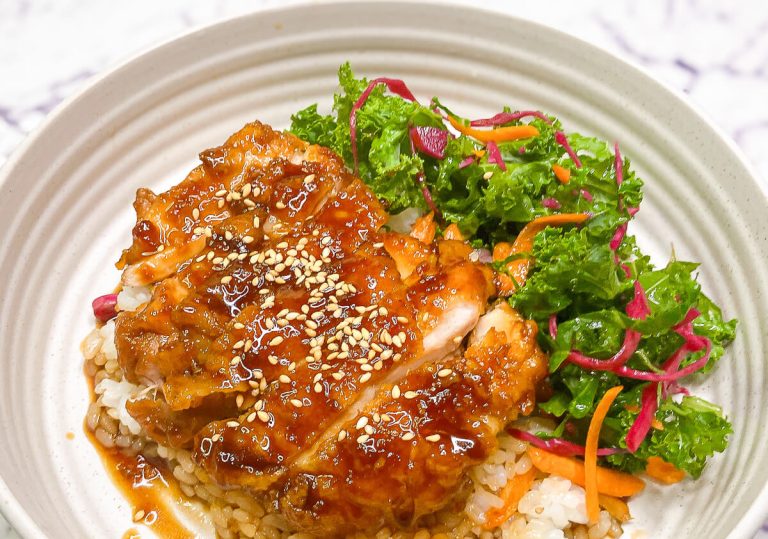
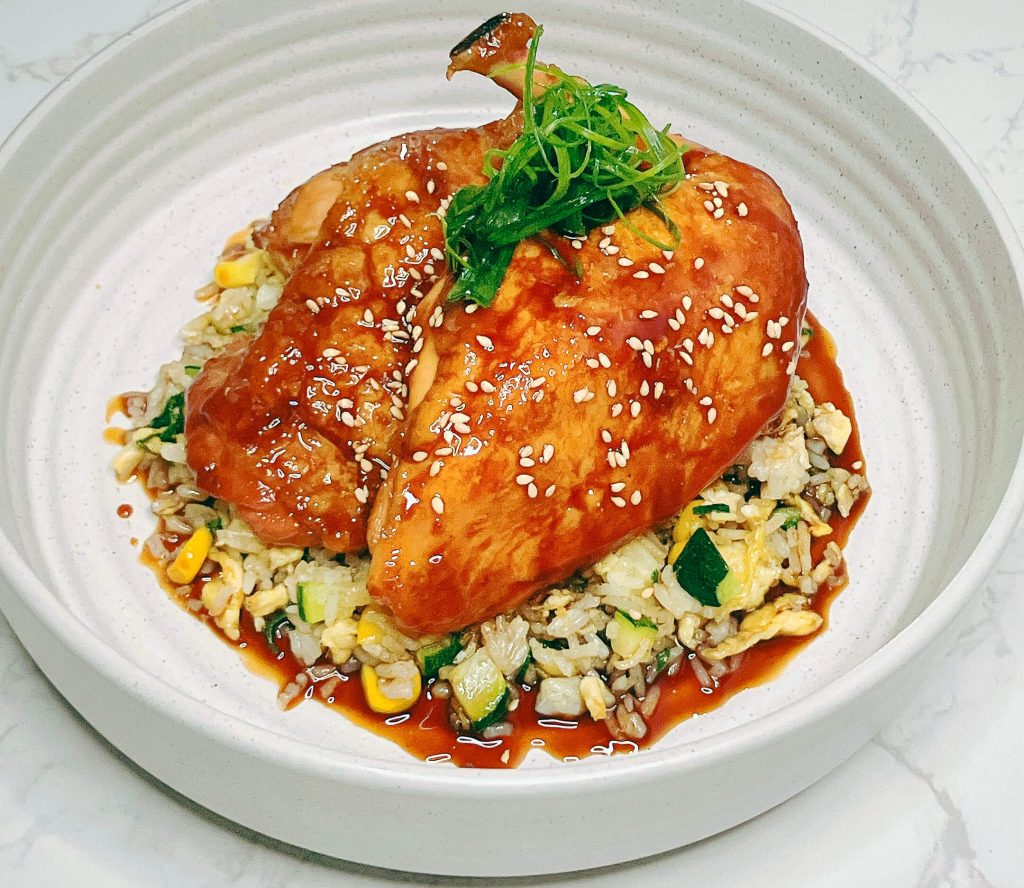
Teriyaki chicken fried rice
Why This Teriyaki Guide Is Different
Most teriyaki sauce recipes online are either overly simplified or rely on hard-to-find ingredients. This guide goes beyond the basics:
- ✅ Tested with side-by-side batches of soy sauces, sugars, and dietary substitutes
- ✅ Reduced by weight with precise target reductions for glaze
- ✅ Evaluated on real foods — salmon, chicken, steak, broccoli, and sausage (with gravy)
- ✅ Includes ingredient comparison photos, glaze thickness visuals, and sauce drip tests
- ✅ Dietary versions (gluten-free, keto, soy-free) were actually cooked, tasted, and refined — not just substituted on paper
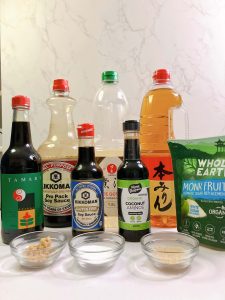
Ingredients we tested in this guide
If you've ever made teriyaki and wondered why it came out too runny, too salty, too dark, or didn't glaze the way you wanted — this guide shows you why, and how to fix it.
Teriyaki isn’t just one recipe — it’s a method. Once you understand the balance of sweet, salty, and umami, you can adjust the sauce for chicken, salmon, tofu, vegetables, beef, or gravy.
1. Traditional Teriyaki Sauce
This is the classic teriyaki sauce recipe used in Japanese cooking: soy sauce, mirin, sake, and sugar. It delivers that glossy, sweet-salty finish you know and love.
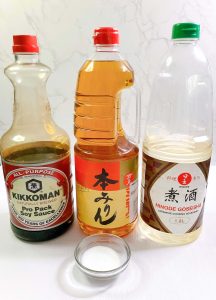
Traditional teriyaki sauce ingredients
(from left soy, mirin, and sake)
front white sugar
🍶 Traditional Teriyaki Sauce recipe (1:1:1:0.7 my Ratio)
🧪 Tested Ratio (Makes ~360g / ≈12.7 oz)
100g Soy Sauce (≈3.5 oz)
100g Mirin (≈3.5 oz)
100g Sake (≈3.5 oz)
70g Sugar (white, raw, or brown – see flavor notes) (≈2.5 oz)
📦 Total Starting Weight:
370g (≈13 oz)
📝 Method
- Add all ingredients to a small saucepan and stir to combine.
- Bring to a gentle simmer over medium heat.
- For glaze: reduce to 50% of the starting weight (≈185g / 6.5 oz), stirring occasionally.
- For simmered dishes: use unreduced sauce and cook with meat or tofu until thickened naturally.
🍽 Yield & Usage
Reduced to Glaze (50%): ~185g (≈6.5 oz) – ideal for glazing 3–4 portions of fish, chicken, or steak.
Unreduced: ~370g (≈13 oz) – serves 6–8 as a base for simmered dishes.
👨🍳 Flavor Notes
Soy Sauce: Tamari offers a deeper, more robust flavor but creates a darker sauce. For a lighter appearance, use regular or gluten-free soy sauce.
Sugar Choice:
- Raw sugar: adds molasses depth without overpowering
- Brown sugar: rich but can intensify saltiness when reduced
- White sugar: clean, neutral flavor – best for showcasing other ingredients

Finished dish using the traditional sauce — sweet, salty, glossy, and ready to serve.
Versatile Use:
Any teriyaki sauce recipe in this guide can be used interchangeably across dishes. You don’t need a specific teriyaki sauce recipe for a specific dish — just choose based on flavor, dietary needs, or ingredient availability.
Pro Tip: For chicken, baste while cooking and reduce in the same pan. For salmon, reduce the sauce first to avoid overcooking. Steak and veggies benefit from a fully reduced glaze.
2. My Go-To Pantry Teriyaki Sauce (No Mirin / No Sake)
This is the base teriyaki sauce recipe that started it all — no sake, no mirin, just pantry staples with bold flavor. It's sweet, savory, and loaded with umami. Use it unreduced for stir-frying chicken, or reduce it into a shiny glaze for brushing or plating. It also works perfectly as a base for teriyaki onion gravy.
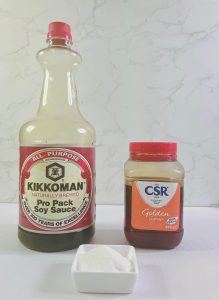
Pantry teriyaki sauce ingredients(soy, golden syrup, and white sugar)
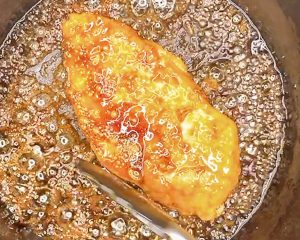
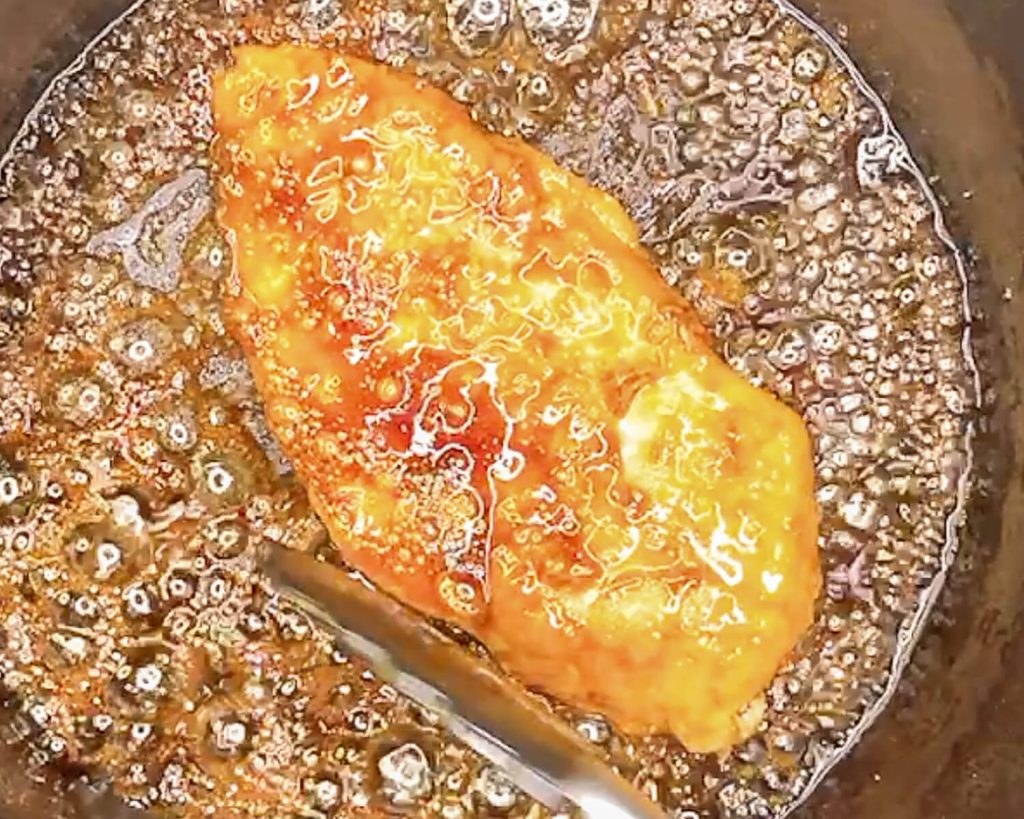
Baste-and-reduce method in action: the sauce thickens as the chicken cooks, creating a glossy coating
🧪 Tested Ratio (Makes 368g / ≈13 oz)
- 100g Soy Sauce (≈3.5 oz)
- 150g Water (≈5.3 oz)
- 50g Golden Syrup (≈1.8 oz)
- 65g Caster Sugar (≈2.3 oz)
📦 Total Starting Weight:
368g (≈13 oz)
📝 Method
- Add all ingredients to a small saucepan and stir to combine.
- Bring to a simmer over medium heat.
- For glaze: reduce to 50% of the starting weight (≈178g / ≈6.3 oz), stirring occasionally.
- For pan-cooked dishes: use unreduced sauce and simmer with meat until thickened.
Yield & Usage
Reduced to Glaze (50%): ~178g (≈6.3 oz) – enough to glaze 3–4 portions
Unreduced: ~368g (≈13 oz) – serves 6–8 as a simmer sauce
How to Use
▶️ To Make Glaze:
Simmer over medium heat until the sauce is reduced by half (178g / ≈6.3 oz). It should bubble slowly and coat a spoon with a glossy finish.
→ See the Reduction guide for step-by-step visuals.
🍗 For Teriyaki Chicken (No Reduction):
Use the unreduced sauce directly in the pan with chicken breast or thigh. It naturally reduces and thickens as it cooks — just like in traditional Japanese home-style teriyaki. For the full step-by-step method, see my Juicy Teriyaki Chicken Recipe.
🧅 For Onion Gravy:
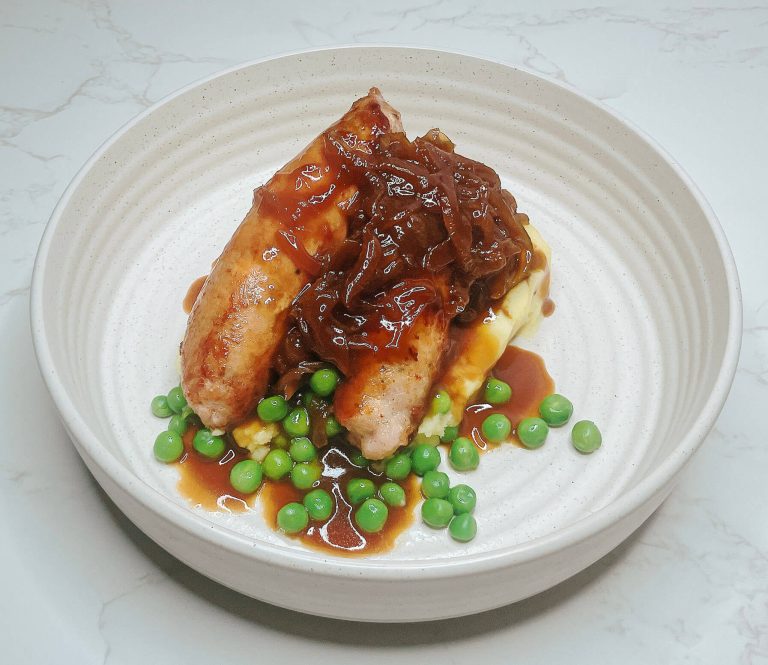
Use this sauce unreduced as the base for teriyaki onion gravy — rich, savory, and perfect for my Bangers and Mash with Teriyaki Onion Gravy.
Sauce-to-Protein Guideline
🟡 Unreduced Sauce (for pan cooking):
Use about 60g (≈2.1 oz) per small chicken breast
(≈150g / 5 oz chicken breast)
🟠 Reduced Glaze (for brushing or finishing):
Use about 30g (≈1 oz) per portion for meats, fish, tofu, or vegetables
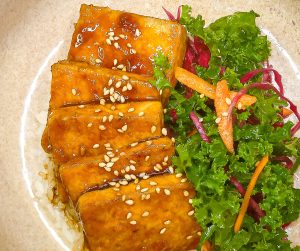
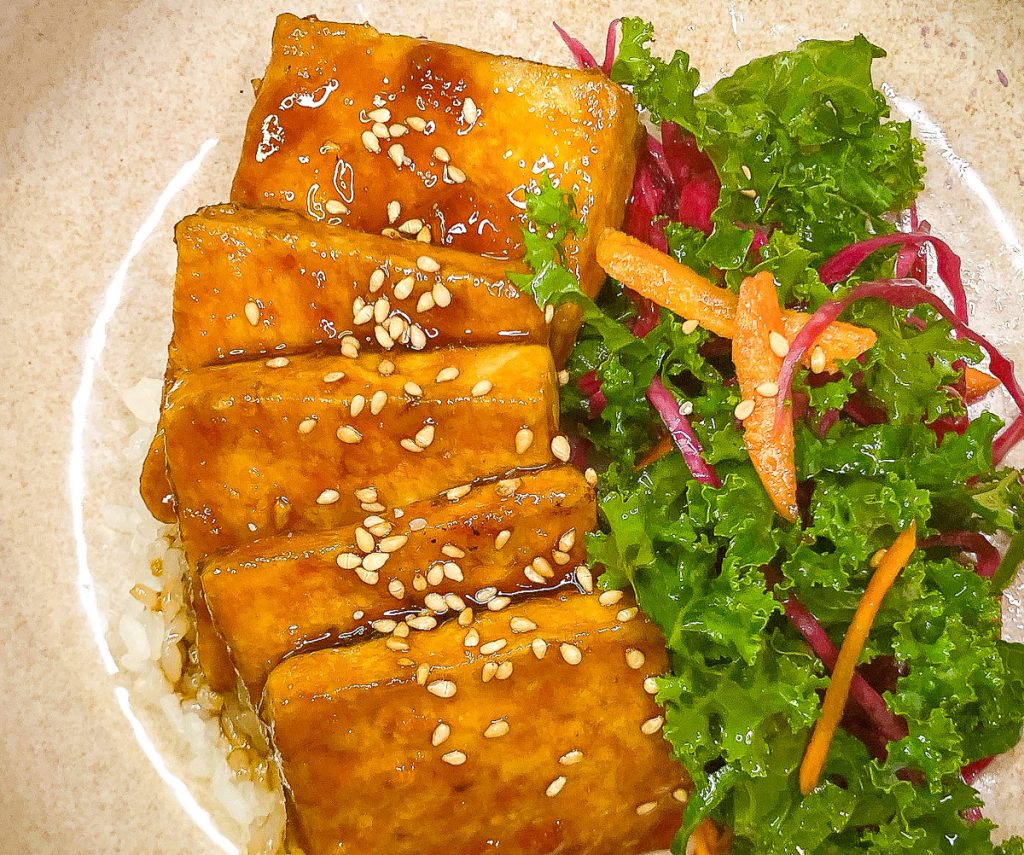
Pantry teriyaki tofu — no mirin, no sake, just bold flavor. Perfect with rice, salad, or in a bento.
3. Teriyaki Sugar Comparison: White, Brown & Raw
Not all sugars are equal when it comes to teriyaki sauce. Depending on the type you use, your sauce can turn out lighter, darker, saltier, or more balanced. In this section, I tested three common sugars — white, brown, and raw — to see how they each affect flavor, color, and glaze texture.
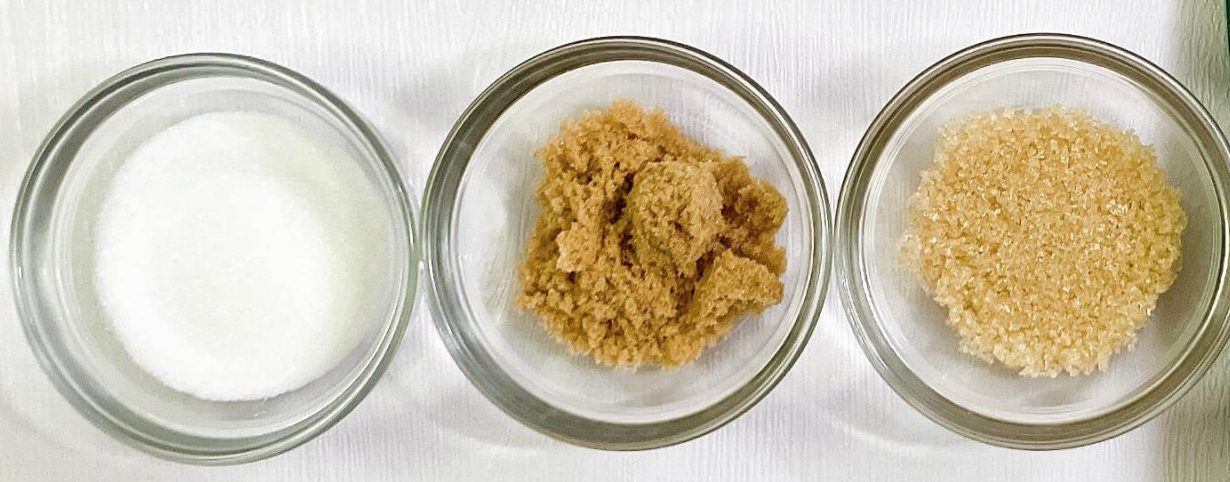
From left: white sugar, brown sugar, and raw sugar — each affects the final sauce differently
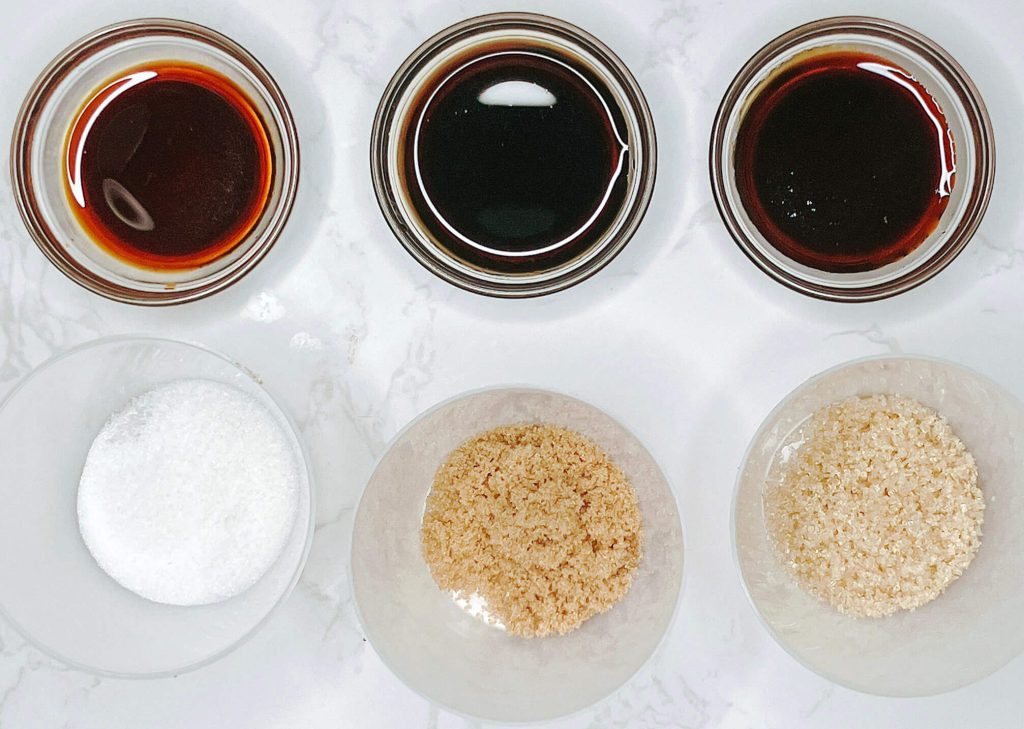
From left: white sugar, brown sugar, and raw sugar — each changes the teriyaki’s flavor, color, and glaze texture differently.
Sugar Comparison Summary:
| Sugar Type | Flavor | Color | Glaze Behavior |
|---|---|---|---|
| White Sugar | Clean, neutral sweetness | Lightest sauce color | Smooth but slightly thinner glaze |
| Brown Sugar | Deep caramel notes, can taste saltier | Darkest sauce color | Thick, sticky glaze with strong flavor |
| Raw Sugar | Balanced sweetness with mild molasses | Medium color | Glossy glaze with good control — my favorite |
Chef Insight: Brown sugar’s molasses content can intensify saltiness when reduced. It’s great for depth but can overpower a delicate dish. I prefer raw sugar for balance and glaze clarity.
There’s no “right” sugar — just choose based on the flavor, look, and texture you want. If you're after a clean, lighter teriyaki, go with white. For bold, dark sauces, use brown. For versatility and balance, raw sugar wins in my kitchen.
4. Soy Sauce Comparison: Regular, Gluten-Free & Tamari
Visual Comparison
Soy Sauce Bottles
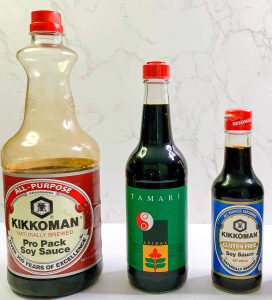
Soy sauce bottles side by side – regular, tamari, and gluten-free soy
Side-by-side view of regular, tamari, and gluten-free soy. Each one brings a different flavor and dietary profile to your teriyaki sauce.
Each soy sauce looks similar on the shelf — but they behave very differently in a teriyaki sauce. We tested them side-by-side to show how each one impacts flavor, color, and consistency.
Teriyaki Sauce Color & Drip Test
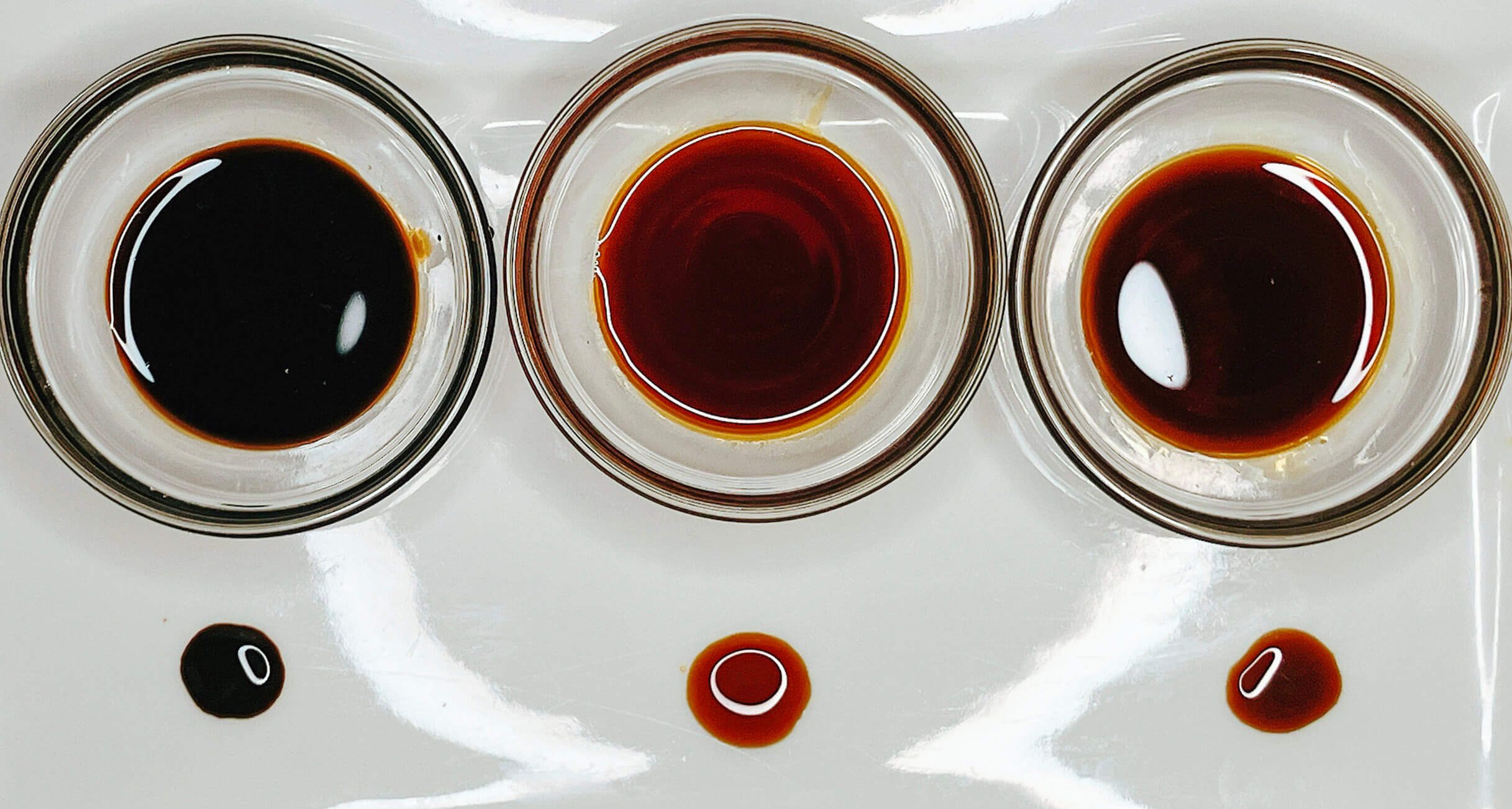
From left to right: dark tamari, gluten-free soy, and regular soy. You can see clear differences in thickness, color, and how they behave on the plate.
Teriyaki Soy Sauce Comparison Chart
| Type | Flavor Profile | Color & Texture | Best Use |
|---|---|---|---|
| Regular Soy Sauce | Balanced saltiness, strong umami | Medium amber, standard thickness | Traditional teriyaki; affordable and accessible |
| Tamari (Gluten-Free) | Rich, smooth, less salty | Darkest and thickest | Best for deep flavor and glossy finish |
| Gluten-Free Soy Sauce | Light, neutral | Lightest color, runny texture | Great for 1:1 swaps when avoiding gluten & soy |
Not all soy sauces are created equal. From flavor and texture to dietary needs, your choice of soy sauce can completely change how your teriyaki turns out. Whether you want richness and color, or something allergy-friendly and light, there’s a soy sauce (or substitute) to match.
👉 This teriyaki soy sauce comparison chart was designed to help you find the best match for your cooking needs. It’s one of the easiest ways to upgrade your teriyaki at home.
5. Best Teriyaki Sauce for Keto, Soy-Free, Soy-Free Keto, and Gluten-Free

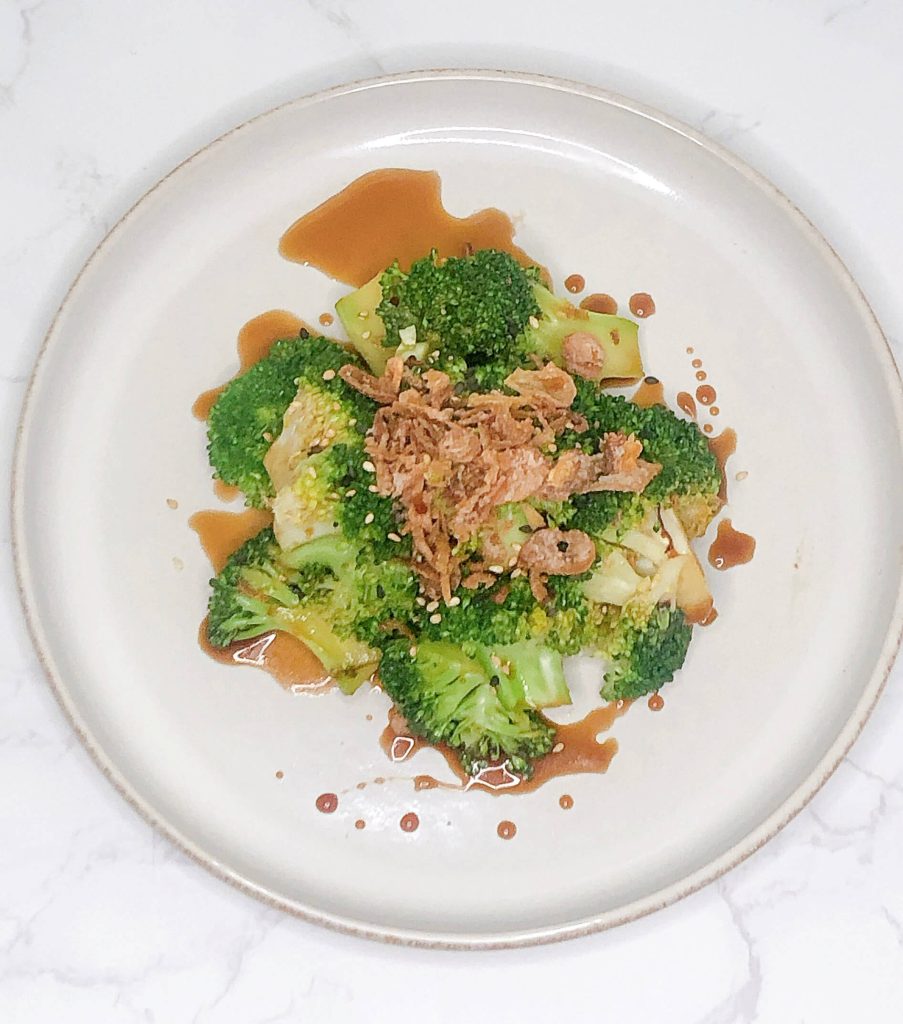
Broccoli topped with soy-free keto teriyaki glaze, fried shallots, and sesame — perfect for clean eating
You can enjoy teriyaki even with dietary needs. Here are my tested substitutes:
Gluten-Free Teriyaki sauce Option
You can make either the Traditional (Section 1) or Pantry (Section 2) version gluten-free by simply using:
Tamari – Deeper, darker flavor (my go-to)
Gluten-Free Soy Sauce – Lighter and closer to regular soy
✅ Both work well in reductions and retain gloss when simmered or glazed.
No other adjustments are needed. Follow the exact same ratios and methods as the original version — just swap the soy.
Keto (Sugar-Free) teriyaki sauce recipe
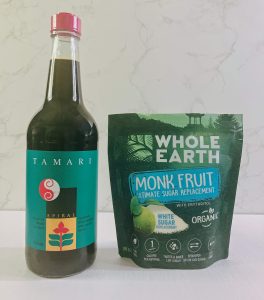
Tamari + monk fruit sweetener — the base of a clean, sugar-free keto teriyaki.
Tested Ratio (Makes ~366g / ≈12.9 oz)
Keto Teriyaki Sauce (sweetness-matched, no sake)
- 100 g Tamari (≈3.5 oz)
- 150 g Water (≈5.3 oz)
- 90 g Monk Fruit Sweetener (≈3.2 oz)
- 7 g Rice Vinegar (≈0.25 oz)(optional)
- 📦 347 g total (≈12.2 oz)
Method
- Add tamari, water, and monk fruit sweetener to a small saucepan.
- Whisk thoroughly — sweetener may take time to dissolve.
- Bring to a gentle simmer over medium heat.
- For glaze: reduce to 50% of the starting weight (≈174 g / ≈6.1 oz), stirring occasionally.
- Finish (optional): Remove from heat and stir in the rice vinegar for extra brightness. Skip if you prefer a smoother, rounder sweetness.
Yield & Usage
Reduced to Glaze (50%): ~183g (≈6.5 oz) – enough to coat 3–4 portions
Unreduced: ~366g (≈12.9 oz) – serves 6–8
Result: Strong, bold flavor — but the sweetener doesn’t dissolve fully. Texture is slightly runny but usable. Still works, but not my personal favorite. I prefer the soy-free keto version for better balance.
Tip: Avoid adding gums or vinegar. Keep it clean and minimal, even if the taste is punchy.
Soy-Free Teriyaki Sauce recipe (with Sugar)
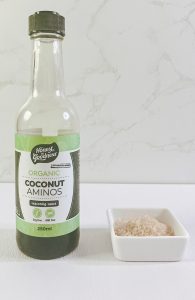
Coconut aminos with raw sugar – ideal for soy allergies but not sugar-restricted diets.
Tested Ratio (Makes ~390g / ≈13.8 oz)
- 240g Coconut Aminos (≈8.5 oz)
- 90g Water (≈3.2 oz)
- 60g Raw Sugar (≈2.1 oz)
Total Starting Weight:
390g (≈13.8 oz)
Method
- Add coconut aminos, water, and raw sugar to a small saucepan.
- Stir to dissolve sugar, then bring to a gentle simmer over medium heat.
- Simmer until sugar is fully dissolved and sauce slightly thickens.
- For glaze: reduce to 50% of the starting weight (≈195g / ≈6.9 oz), stirring occasionally.
- For simmered dishes: use unreduced and cook with protein or vegetables.
Yield & Usage
Reduced to Glaze (50%): ~195g (≈6.9 oz) – coats 3–4 portions
Unreduced: ~390g (≈13.8 oz) – serves 6–8
Result: Naturally sweet and well balanced. Reduces smoothly without starch. Great for soy-free diets that allow sugar.
Soy-Free keto teriyaki sauce recipe

My go-to for keto: mellow, clean, and beautifully reduced.
🧪 Tested Ratio (Makes ~330g / ≈11.6 oz)
- 240g Coconut Aminos (≈8.5 oz)
- 60g Water (≈2.1 oz)
- 30g Monk Fruit Sweetener (≈1.1 oz)
📦 Total Starting Weight:
330g (≈11.6 oz)
Method
- Add coconut aminos, water, and monk fruit sweetener to a small saucepan.
- Whisk thoroughly — monk fruit may take time to dissolve.
- Bring to a gentle simmer over medium heat.
- For glaze: reduce to 50% of the starting weight (≈165g / ≈5.8 oz), stirring occasionally.
- For simmered dishes: use unreduced and cook with protein or veg until slightly thickened.
Yield & Usage
Reduced to Glaze (50%): ~165g (≈5.8 oz) – enough for 3–4 portions
Unreduced: ~330g (≈11.6 oz) – serves 6–8
Result: Mellow, slightly fruity, and reduces beautifully. My go-to for keto.
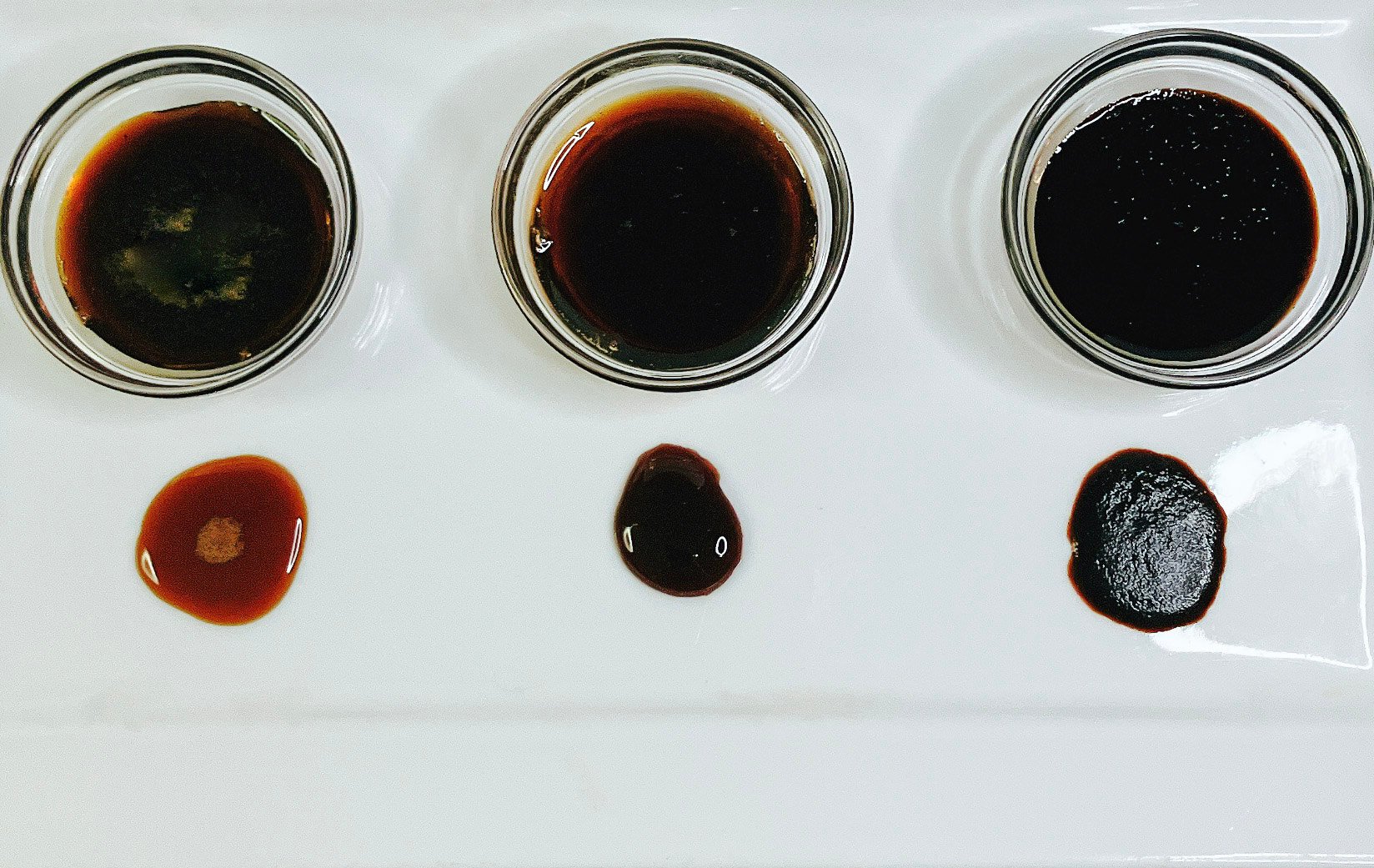
From left to right: Soy-Free Keto, Soy-Free, and Keto. Ingredient choice clearly impacts glaze texture.
Comparing soy-free and keto teriyaki sauces: from thinner pourable versions to fully reduced glazes — each ingredient choice affects the final consistency
| Sauce Type | Main Ingredients | Consistency & Notes |
|---|
| Soy-Free Keto | Coconut aminos + monk fruit | Light in colour, with smooth consistency and balanced finish. My top choice. |
| Soy-Free | Coconut aminos + raw sugar | Medium glaze. Slightly sweet and has a good colour. |
| Keto | Tamari + monk fruit sweetener | Bold flavor, but sweetener doesn’t dissolve well. Not my favorite. |
6. How to Add Garlic and Ginger to Teriyaki Sauce
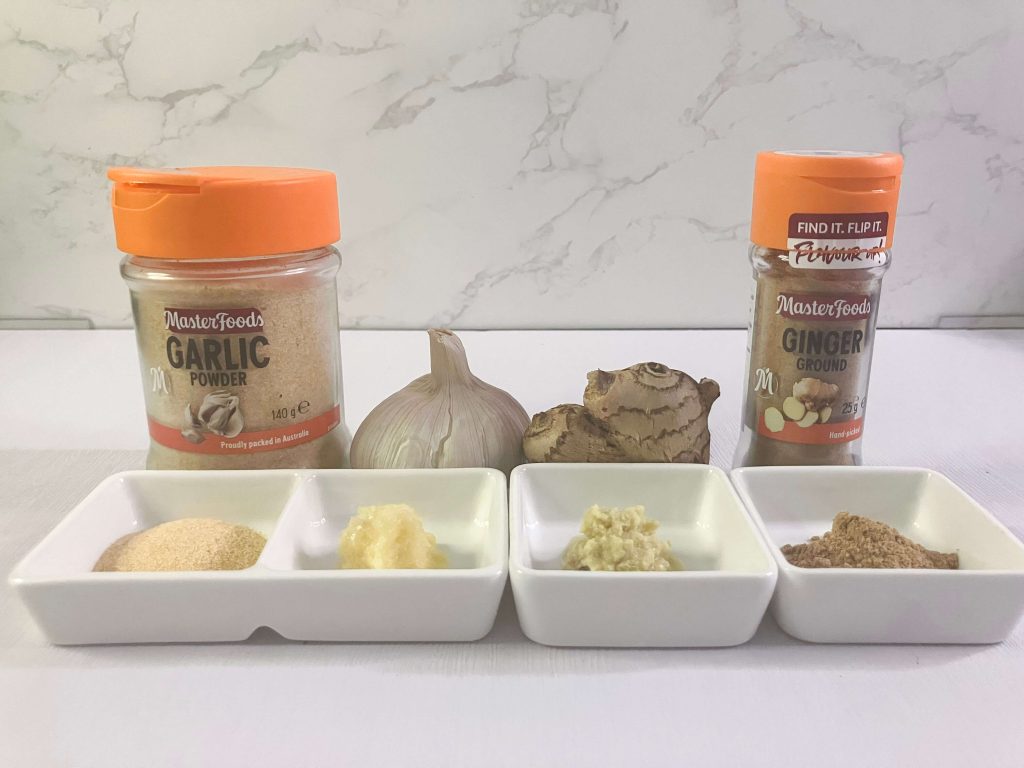
Garlic and ginger bring bold personality to your teriyaki sauce. Depending on the dish, you can use fresh or powdered versions — or even combine both for balance.
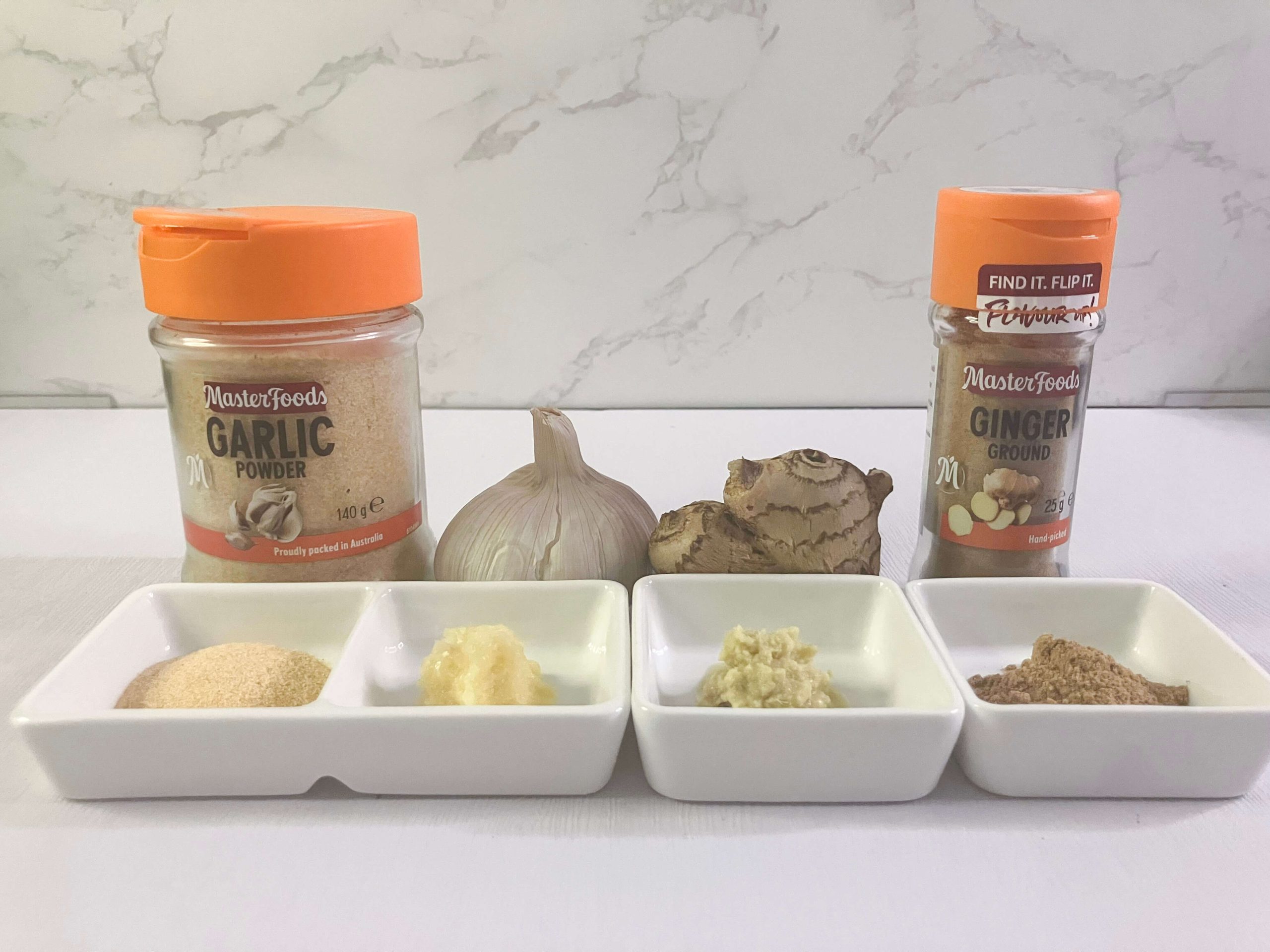
From left to right – garlic powder, grated fresh garlic, grated fresh ginger, and ground ginger
🧪 Recipe with Ginger & Garlic (Makes ~368g / ≈13 oz)
- 100g Soy Sauce (≈3.5 oz)
- 150g Water (≈5.3 oz)
- 50g Golden Syrup (≈1.8 oz)
- 65g Caster Sugar (≈2.3 oz)
Add-ins (Choose One):
- 9g Fresh Garlic (≈0.3 oz)
or 1g Garlic Powder (≈0.04 oz) - 9g Fresh Ginger (≈0.3 oz)
or 2.7g Ginger Powder (≈0.1 oz) - If Mixing:
5.4g Fresh Garlic + 3.6g Fresh Ginger (≈0.2 oz + 0.13 oz)
or 1g Ginger Powder (≈0.04 oz)
📦 Total Starting Weight:
368g (≈13 oz)
📝 Method
- Add soy sauce, water, golden syrup, sugar, and either garlic, ginger, or both to a small saucepan.
- Whisk to combine.
– Add fresh garlic, garlic powder, or ginger powder at the start to dissolve properly and mellow the flavor. - Bring to a gentle simmer over medium heat.
- For glaze: reduce to 50% of the starting weight (≈184g / ≈6.5 oz), stirring occasionally.
- Stir in fresh grated ginger at the end (if using) for a bright, aromatic finish.
🍽 Yield & Usage
Reduced to Glaze (50%): ~184g (≈6.5 oz) – enough to glaze 3–4 portions
Unreduced: ~368g (≈13 oz) – serves 6–8
🧂 Note
- Add garlic powder, ginger powder, or fresh garlic at the start to infuse deeper flavor. This helps take the raw edge off fresh garlic — which can taste harsh if added late — while powders dissolve more easily and release their full aroma during cooking.
- Add fresh grated ginger at the end for a vibrant, aromatic finish — especially great with salmon, pork, or stir-fry veg.
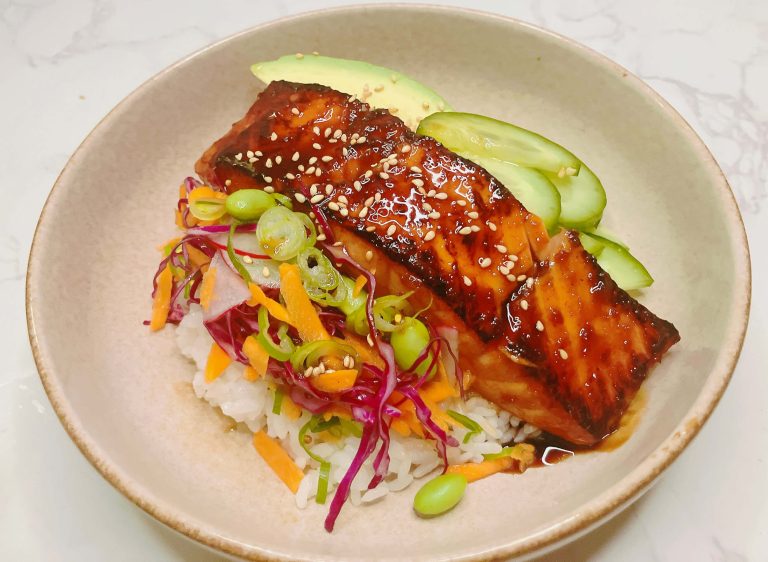
My Choice: For ginger teriyaki salmon, I love adding grated ginger to the teriyaki glaze just before brushing it on. Garlic powder is consistent and easy, but I prefer the richer, cooked flavor of fresh garlic added early.
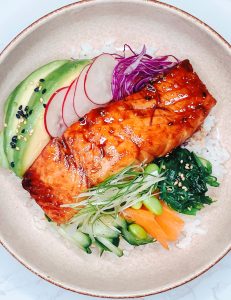
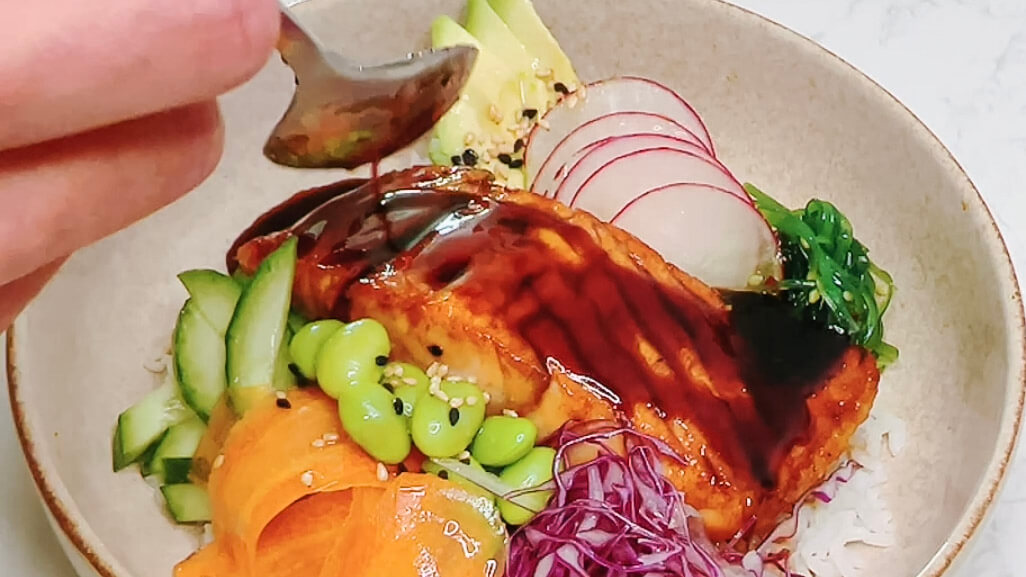
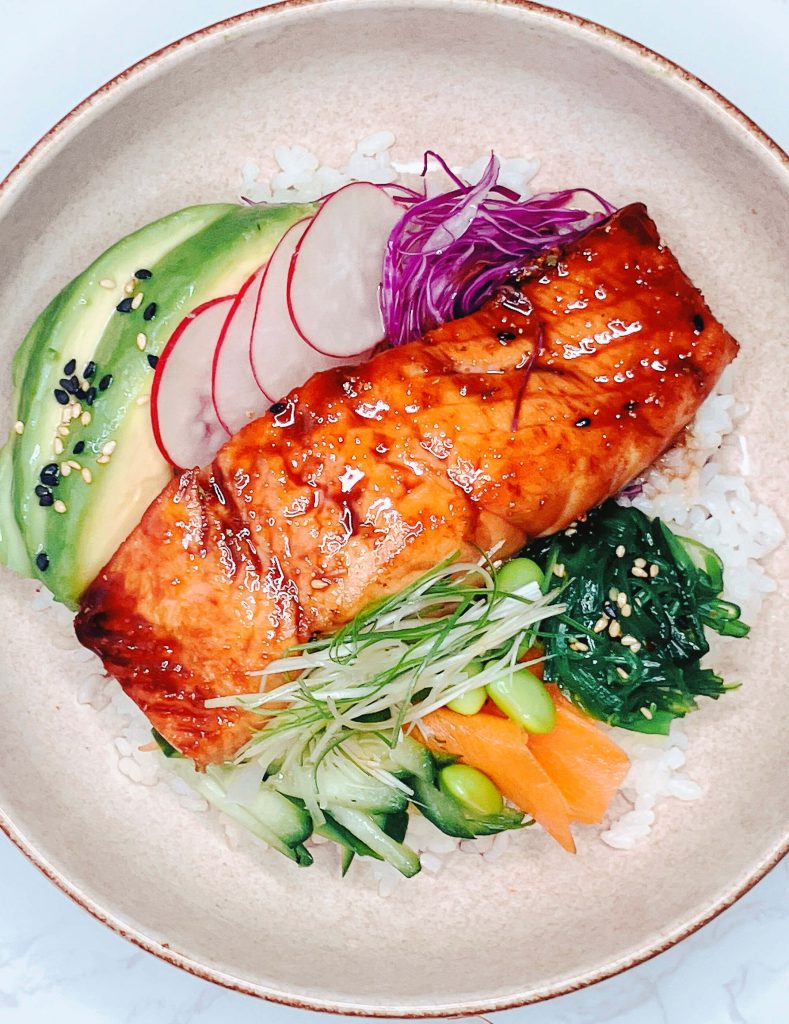
Ginger Teriyaki salmon bowl
7. How to Make Teriyaki Glaze (Reduction Guide)
A visual guide to teriyaki glaze reduction, with bubbling textures and weights so you never have to guess “how thick is thick enough.”
Reduction Targets
No Reduction: Use directly for pan sauces, stir-fry bases, or teriyaki onion gravy.
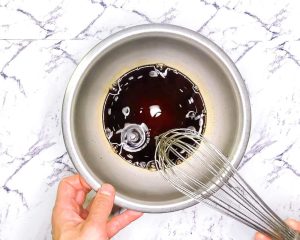
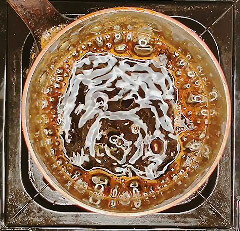
No Reduction – Sauce is thin with large, fast-moving bubbles. Great for onion gravy or pan sauces.

Starting weight: 368g – Sauce has not been reduced
30% Reduction: Light glaze for salmon, quick stir-fries, or pour-over sauce.
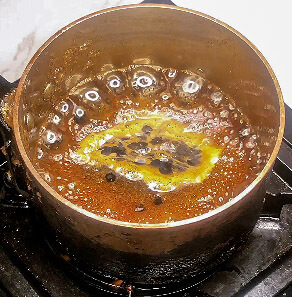
30% Reduction – Bubbles tighten and texture thickens slightly. Ideal for glazing salmon or quick stir-fries.

After 30% reduction: 260g (≈9.2 oz) – Lightly thickened glaze, still pourable.
50% Reduction: Thick glaze for brushing, plating, or finishing meats, fish, tofu, and vegetables.
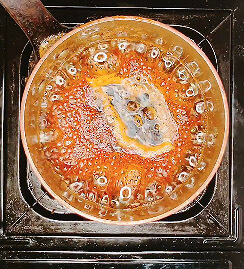
50% Reduction – Thick, glossy texture with slow bubbles.
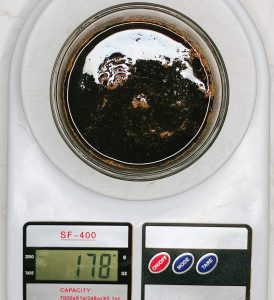
After 50% reduction: Fully thickened glaze for plating or brushing
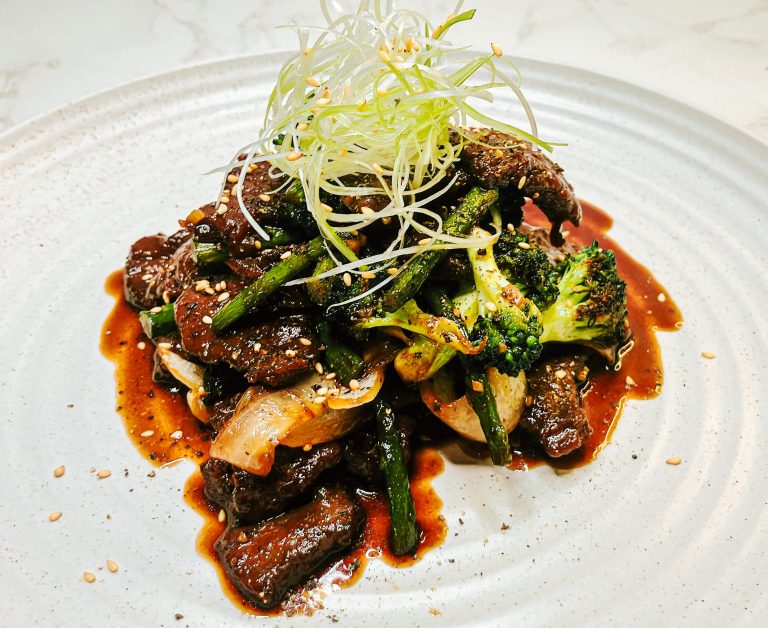
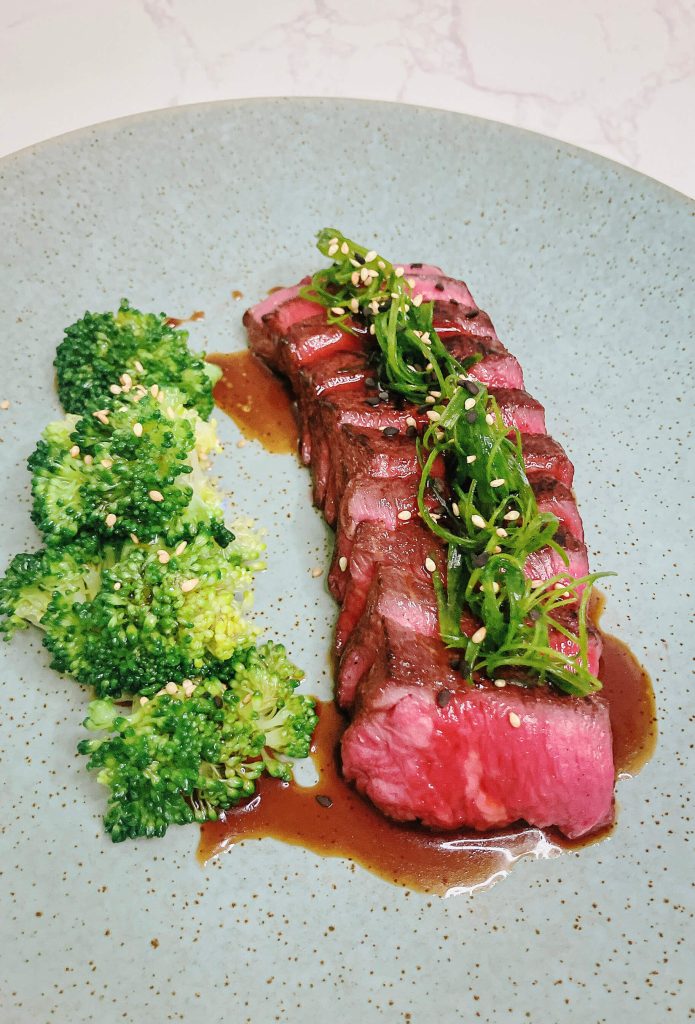
Use the thick glaze to finish dishes — like teriyaki beef and broccoli.
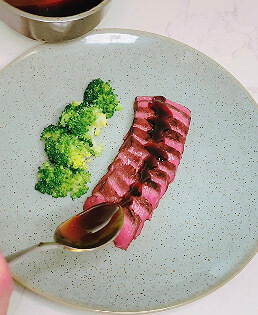
Thick teriyaki glaze being spooned onto sliced steak with broccoli
Cornstarch Slurry Option (Faster Sauce)
If you're in a rush or want a lighter flavour, try this shortcut glaze using a cornstarch slurry. It skips the reduction and still gives you a glossy finish.
🧪 Slurry Ratio Teriyaki Sauce (Makes ~380g / ≈13.4 oz before thickening)
- 100g Soy Sauce (≈3.5 oz)
- 100g Mirin (≈3.5 oz)
- 100g Sake (≈3.5 oz)
- 70g Sugar (≈2.5 oz)
- Slurry: 10g Cornstarch + 10g Water (≈0.35 oz + 0.35 oz)
📝 Method
Remove from heat. Sauce will thicken slightly more as it cools.
Add soy sauce, mirin, sake, and sugar to a small saucepan.
Stir to dissolve the sugar completely.
Bring to a simmer over medium heat.
In a separate bowl, mix 10g cornstarch with 10g water to form a slurry.
Slowly whisk the slurry into the simmering sauce.
Continue stirring over medium heat for 1–2 minutes, until the sauce thickens and becomes glossy.
Optional: Continue to reduce further to your liking for a thicker, richer glaze.
Why Use It:
- ✅ Faster and more forgiving
- ✅ Keeps the sauce light in color and texture
- ✅ Ideal for quick meals or delicate proteins like fish or tofu
Default Tip: I still recommend reduction-based sauces for the best flavor and gloss, but this is a great alternative when time is short.
8. Teriyaki Onion Gravy (From Scratch)
If you're craving a rich, savory gravy with a Japanese twist, this teriyaki onion gravy from scratch delivers deep flavor with simple ingredients. It's perfect for sausage and mash, meatloaf, steak, or even poured over rice.
Why You'll Love This Teriyaki Gravy:
- ✅ Sweet and savory with umami depth
- ✅ No premade mix — made entirely from scratch
- ✅ Works with sausage, chicken, pork, or even meatballs
Step-by-Step: How to Make Teriyaki Onion Gravy
Here’s how to make it, starting with a simple onion roux base.
Step 1: Sauté Onions
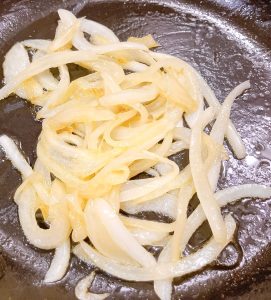
Sauté sliced onions over medium heat until soft and translucent.
Step 2: Add Flour
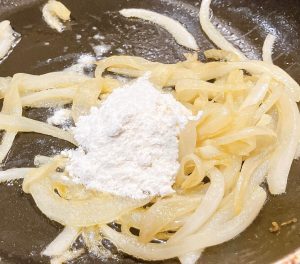
Add flour and stir to coat the onions evenly — this thickens the gravy.
Step 3: Cook the Roux
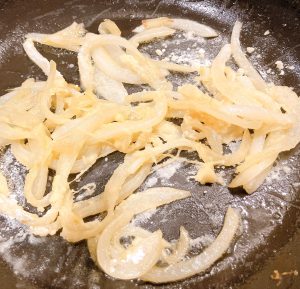
Cook the roux for 1–2 minutes to remove raw flour taste.
Step 4: Roux is Ready
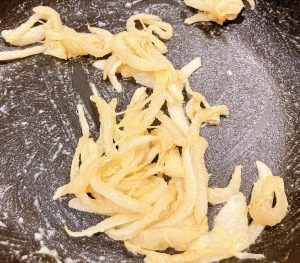
Once the onions are coated and the flour is slightly golden, it's ready for sauce.
Step 5: Add Teriyaki Sauce & Simmer

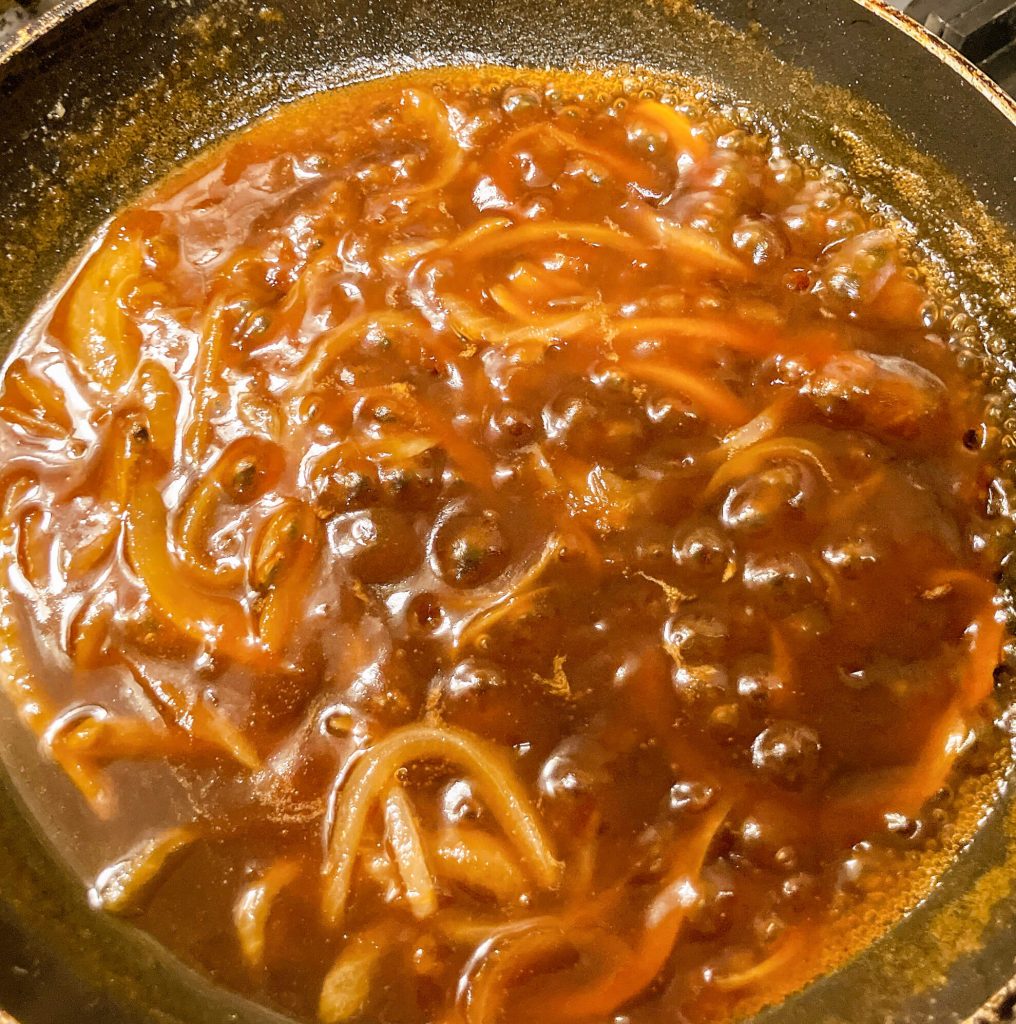
Slowly whisk in your reduced teriyaki sauce and simmer until thickened and glossy.
Gravy Thickness Test
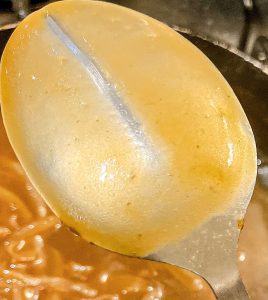
The sauce should coat the back of a spoon when it's done — not too thin, not too gloopy.
Teriyaki Onion Gravy Recipe (Makes 300 g)
🍶 Ingredients
- 45g Soy Sauce (≈1.6 oz)
- 120g Water (≈4.3 oz)
- 25g Golden Syrup (≈0.9 oz)
- 30g Caster Sugar (≈1.1 oz)
- 150g Sliced Onion (≈5.3 oz)
- 25g Unsalted Butter (≈0.9 oz)
- 8g Plain Flour (or cornflour for GF) (≈0.28 oz)
- 0.5g Garlic Powder (≈1/4 tsp)
- 10 g seeded mustard optional (≈0.35 oz / about 2 tsp)
📝 Method
Stir in seeded mustard at the end if you are using.
Melt butter in a saucepan over medium heat.
Add onions and cook until soft and golden (10–15 minutes).
Stir in flour and cook for 1–2 minutes to remove raw taste.
Gradually whisk in the rest of ingredients.
Bring to a boil, then simmer for 1–2 minutes until glossy.
Optional Add-ins:
Seed mustard or black pepper.
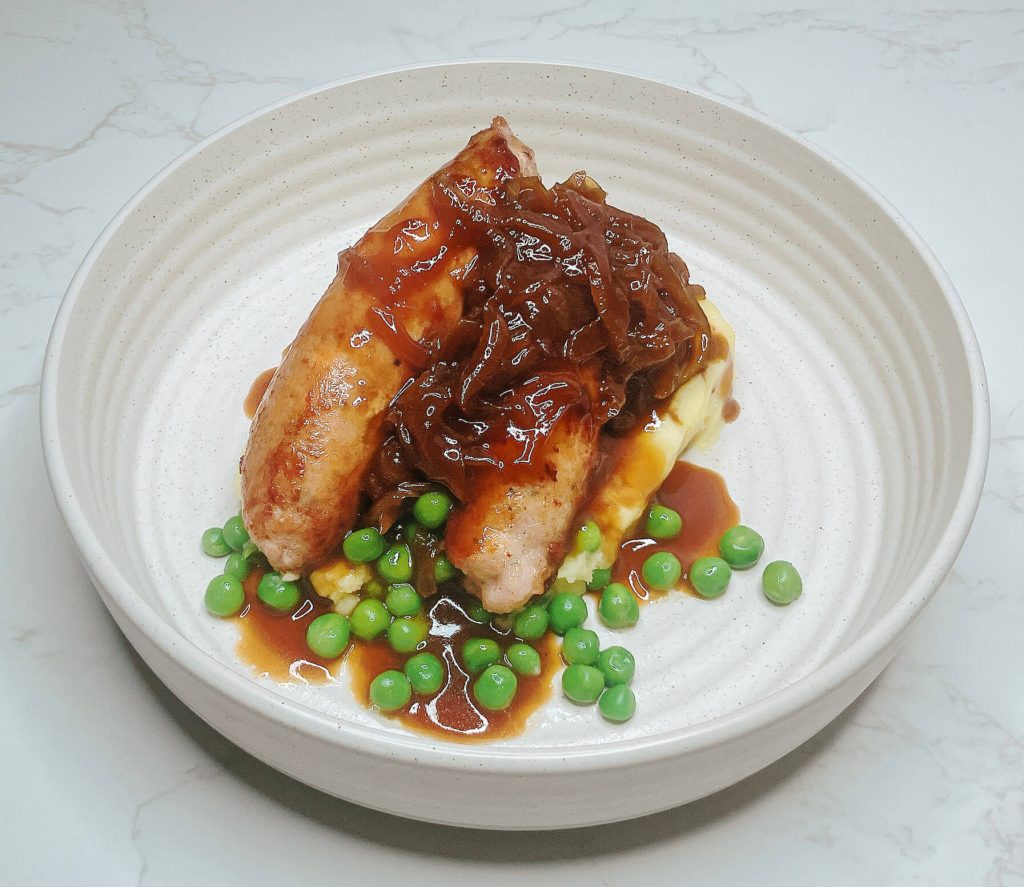
Final Result: Ready to Serve
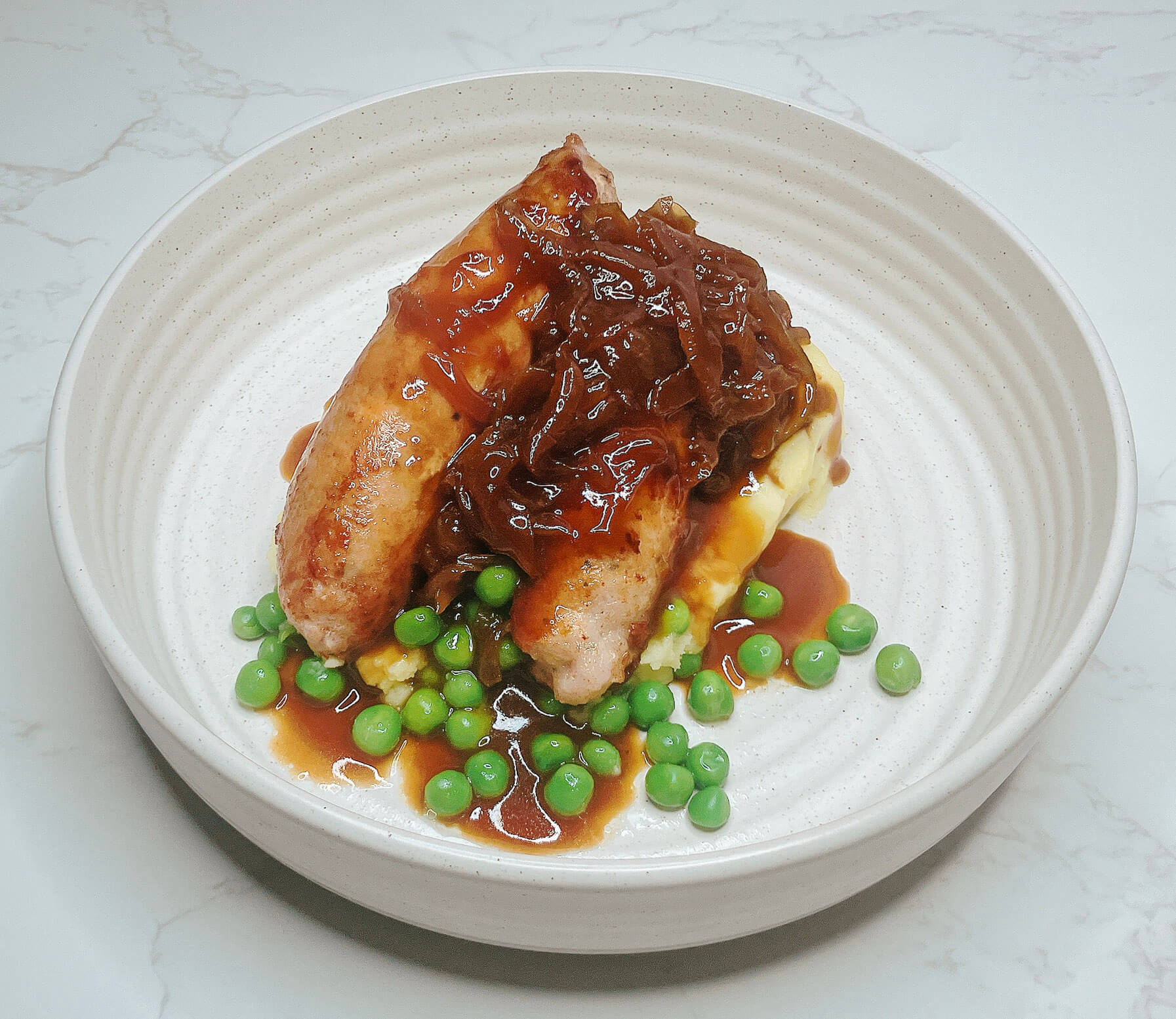
This gravy is perfect served over sausages, mashed potatoes, and peas.
If you're used to buying a teriyaki onion gravy mix, you'll be surprised how easy it is to make from scratch with better flavor and no preservative.
Keto Teriyaki Onion Gravy (≈300 g)
Ingredients
- 45 g Soy Sauce (≈1.6 oz)
- 120 g Water (≈4.2 oz)
- 19 g Monk Fruit Sweetener (golden syrup swap) (≈0.7 oz)
- 19 g Water (golden syrup swap)(≈0.7 oz)
- 2.8 g Rice Vinegar (optional, for brightness)(≈0.1 oz / about 1/2 tsp)
- 19 g Monk Fruit Sweetener (sugar swap)(≈0.7 oz)
- 150 g Sliced Onion (≈5.3 oz)
- 25 g Unsalted Butter (≈0.9 oz)
- 0.5 g Garlic Powder (≈¼ tsp)
- 10 g Seeded Mustard (optional) (≈0.35 oz / about 2 tsp)
Method
- Melt butter in a saucepan over medium heat.
- Add onions and cook slowly until soft and golden (10–15 minutes).
- Stir in garlic powder (and mustard if using).
- Add soy sauce, water, monk fruit sweeteners, and simmer gently for 2 minutes.
- For thickness (keto option): Remove about one-third of the onion sauce, blend until smooth, then stir it back into the pan. Simmer 1–2 minutes until glossy.
- Stir in seeded mustard and rice vinegar at the end (optional) for extra brightness. Adjust seasoning to taste
9. Final Thoughts & How to Use This Guide
Whether you're following a traditional teriyaki sauce recipe or adjusting for dietary needs, every teriyaki sauce recipe in this guide is designed to be fully interchangeable. You don't need to match a specific sauce to a specific dish — just choose based on your pantry ingredients, dietary preferences, or time available.
This guide includes:
- Traditional teriyaki sauce recipes with mirin and sake for authentic Japanese flavor
- Pantry-friendly and alcohol-free versions using golden syrup
- Keto, gluten-free, and soy-free options for dietary flexibility
Teriyaki isn't just a recipe — it's a method. Once you understand the balance of sweet, salty, and umami — and how to reduce sauces to the right consistency — you can adapt it to grilled meats, vegetables, tofu, rice bowls, and gravies.
Pick your version, taste as you go, and make it your own.
10. Gallery – Real Dishes & Techniques from This Guide
From sizzling reductions to dietary versions, here's a look at the tested methods, final plates, and ingredient insights behind the sauce.

Let this guide be your go-to for mastering teriyaki — from weeknight meals to elevated Japanese-inspired plates. If you try one of the versions above, leave a comment or tag me with your dish!
Pantry Teriyaki Sauce (No Mirin / No Sake)

Equipment
- 1 Small saucepan Non-stick or stainless steel recommended
- 1 Whisk or heatproof spoon For stirring and dissolving sugar
- 1 Digital scale For weighing ingredients accurately
- 1 Heatproof container or jar For weighing out and storing leftover sauce
Ingredients
Pantry Teriyaki Sauce (no mirin/ no sake)
- 100 g soy sauce Regular or tamari for GF
- 150 g water
- 50 g golden syrup Or honey/corn syrup if needed
- 65 g caster sugar / superfine sugar
- 9 g fresh grated garlic, or 1 g garlic powder (optional)
- 9 g fresh grated ginger, or 2.7 g ginger powder (optional)
Instructions
1. Combine ingredients
- In a small saucepan, add soy sauce, water, golden syrup, and sugar. Stir well to dissolve the sugar.
2. Simmer the sauce
- Bring to a gentle boil over medium heat. Simmer for 6–8 minutes, stirring occasionally, until glossy and slightly thickened.For a pour-over sauce: reduce to around 250g (30% reduction)For a thick glaze: reduce to 180g (50% of starting weight)To measure: pour the sauce into a heatproof bowl and weigh it using a kitchen scale.
Notes
📝 Notes
Yield: This recipe makes about 360 g sauce before reduction, or about 180 g after reducing by 50% into a thick glaze. Reduction guide:For a pour-over sauce or stir-fry base, reduce to about 250 g. For a thick, glossy glaze, reduce to about 180 g. Use a digital scale for the most accurate result. Flavour add-ins:
For garlic, use 9 g fresh grated garlic or 1 g garlic powder. For ginger, use 9 g fresh grated ginger or 2.7 g ginger powder. If using both, try 5.4 g fresh garlic and 3.6 g fresh ginger. Cooking method tips:
Add fresh garlic, garlic powder, or ginger powder at the start of simmering to mellow sharpness and deepen flavour. Add fresh grated ginger at the end for a brighter, fresher aroma. Powders dissolve easily and work well for quick, consistent flavour. My choice:
I like adding fresh grated ginger at the end because it lifts the sauce beautifully. Garlic powder is quick and reliable, but I prefer the rounder flavour of fresh garlic added early. Storage:
Store cooled sauce in a clean airtight container in the fridge for up to 2–3 weeks. Reheat gently before using. The sauce will thicken slightly as it chills.
Thanks for visiting! If you try this guide, I'd love to hear how it helped.
This sauce works beautifully with chicken, salmon, tofu, beef, vegetables, and even onion gravy. I’ll be sharing more ways to use it in upcoming recipes.
Happy cooking,
— Kenji