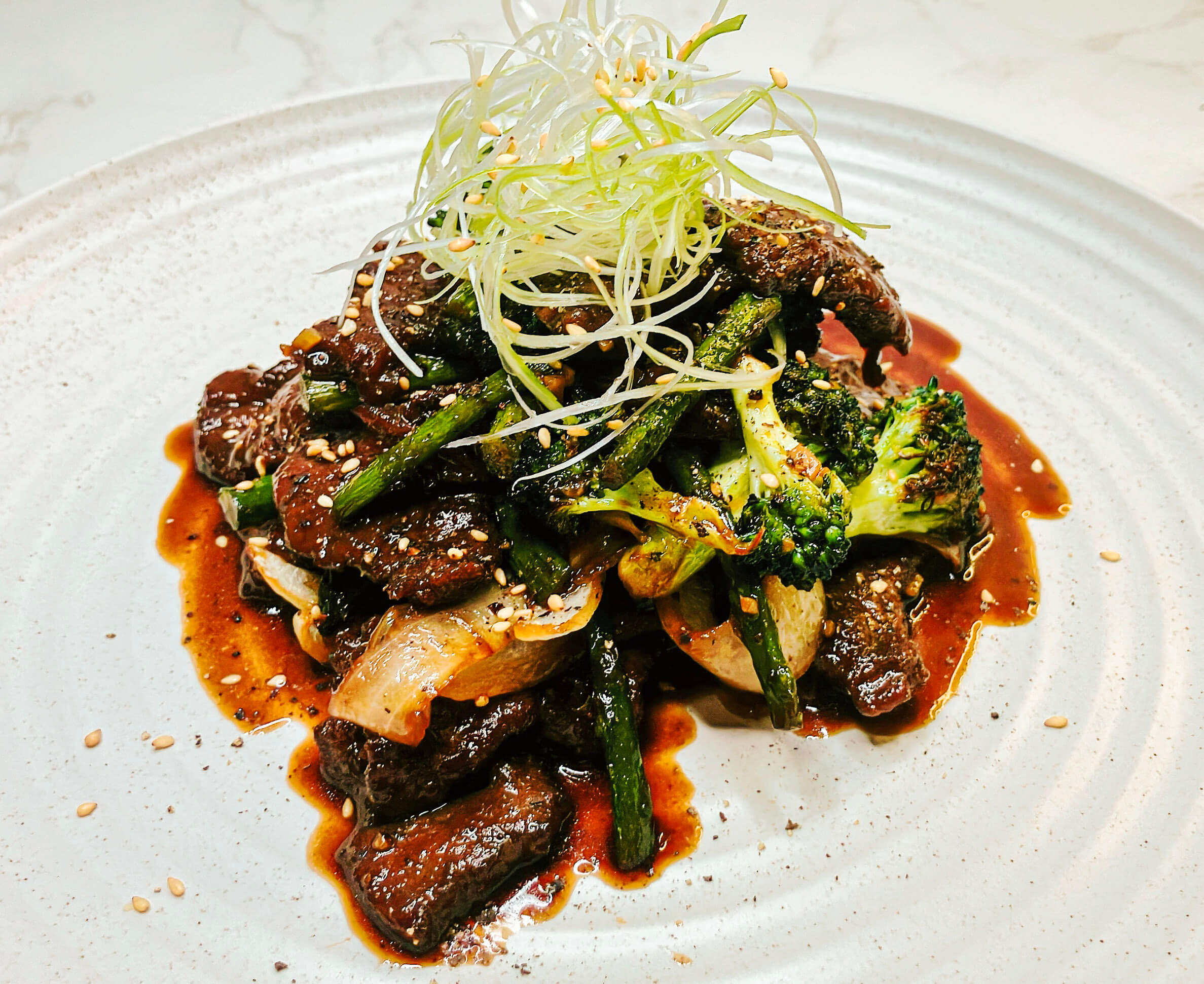
30-Minute Black Pepper Teriyaki Beef – No Mirin or Sake (Stir-Fry + Steak Upgrade)
Black Pepper Teriyaki Beef is my go-to weeknight teriyaki with a bold, peppery kick. It’s a flexible recipe you can make two ways — a quick stir-fry with tender marinated slices or a premium steak finished with a glossy teriyaki glaze. I tested everything from bicarb ratios for tenderness to egg vs no-egg marinades and blanch vs stir-fry vegetables, so you can adapt it to whatever cut of beef you have on hand.
The best part? You only need a few pantry staples — no mirin or sake required. If you’re using a premium cut like eye fillet, sirloin, or ribeye, you can skip the bicarb completely for an even easier version.
For a family-friendly meal, simply reduce or skip the black pepper — the teriyaki glaze alone is packed with flavor and loved by kids. Serve with steamed rice or cauliflower rice for a lighter or keto-style option.
Why You’ll Love This Black Pepper Teriyaki Beef
- Two ways to cook it: Quick stir-fry for busy nights, or seared steak for a premium finish.
- Restaurant-style tenderness: Tested bicarb ratio gives topside (top round), flank or rump the same silky texture you get at good Japanese or Chinese restaurants.
- Pantry-friendly teriyaki glaze: No mirin or sake — just soy, golden syrup or honey (or keto monk fruit version), and pepper for a glossy, balanced sauce.
- Customizable flavor: Dial the black pepper up for heat, or skip it for a kid-friendly version that still tastes amazing.
- Diet-flexible: Works with regular rice, or Cauliflower Rice for a light, keto-friendly bowl.
- Minimal prep, maximum flavor: With good beef, this dish practically makes itself — the sauce and pepper do all the work.
🥢 Chinese Black Pepper Beef or Black Pepper Teriyaki Beef ?

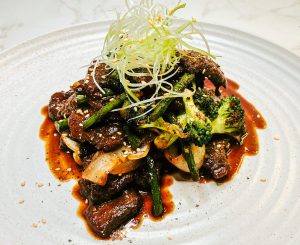
Juicy beef stir-fried with broccoli and asparagus in a glossy black pepper teriyaki glaze. 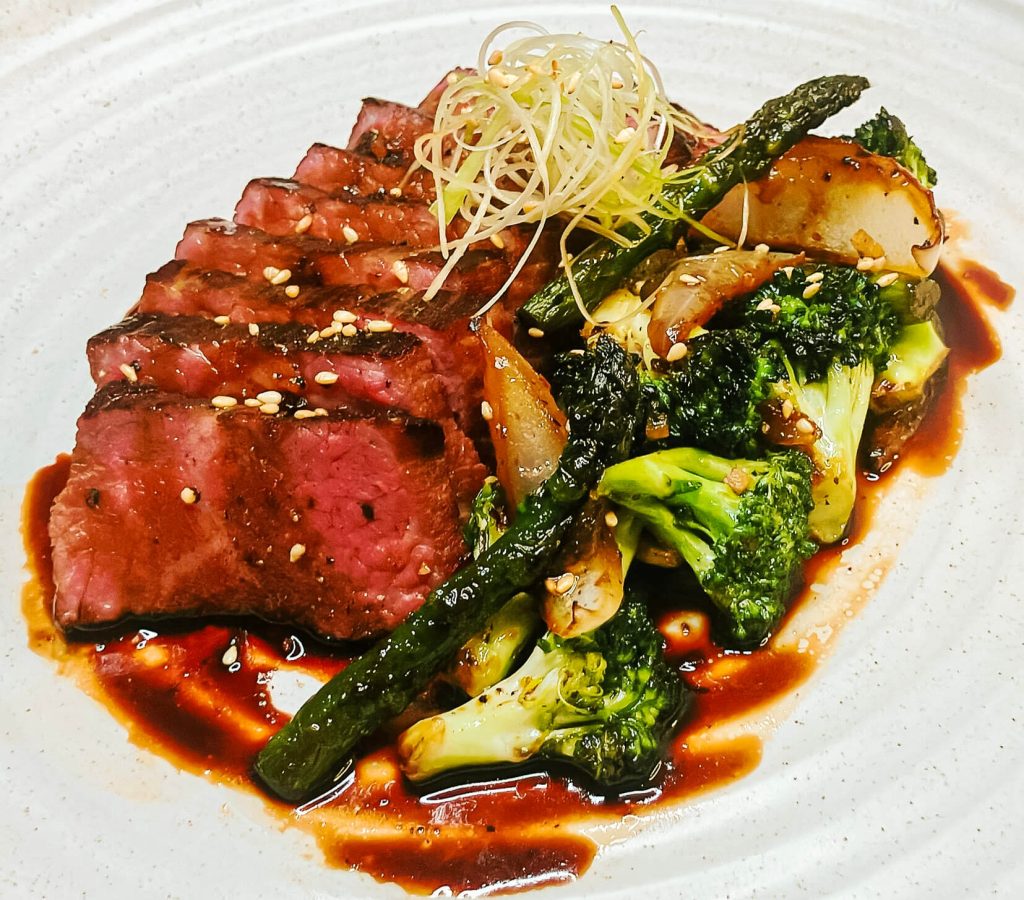
Glossy black pepper teriyaki steak served with asparagus and broccoli – the premium version of this recipe.
Finding the Balance Between Two Classics
Black Pepper Teriyaki Beef doesn’t sit neatly in one category — it blends the best of both.
The stir-fry version brings the quick heat and richness of Chinese-style black pepper beef, while the steak version captures the smooth, glossy finish of Japanese teriyaki.
| Style | Key Flavor | Sauce Base | Texture | Example |
|---|---|---|---|---|
| Chinese Black Pepper Beef | Savory, bold pepper aroma with thicker coating | Oyster or soy-based brown sauce | Heavier, glossy, slightly sticky | Cantonese-style stir-fry |
| Japanese Teriyaki Beef | Balanced sweet–salty glaze with subtle shine | Soy + sugar (or mirin) reduction | Lighter, smooth, clean glaze | Teriyaki steak or donburi |
💡 Chef’s Note:
This recipe sits right between the two.
The stir-fry version leans more Chinese — punchy and saucy with extra pepper heat.
The steak version leans more Japanese — shiny, clean, and slightly sweeter.
Think of it as a hybrid: the bold aroma of black pepper beef meets the umami balance of teriyaki.
What you will need for Black Pepper Teriyaki Beef

Simple marinade setup with soy, sake, egg, starch, and beef — the base for tender, glossy black pepper teriyaki. 
Setup for the steak-style version of Black Pepper Teriyaki Beef with broccoli, asparagus, and onion. 
Pantry-friendly teriyaki sauce base — soy, water, golden syrup, sugar, and black pepper.
Beef & Marinade
- Beef (used in this post): Topside (called top round in the U.S.) — lean with good bite when sliced thin for stir-fry.
👉 You can also use flank or rump for similar texture, or eye fillet, sirloin / ribeye (scotch fillet) for a tender upgrade. - Water – helps distribute bicarb evenly and lightly hydrates the meat.
- Bicarb soda – tenderizes tougher cuts like flank, rump, or topside.
👉 Skip for premium cuts like eye fillet, sirloin or ribeye — they’re naturally tender and don’t need it. - Sake or Shaoxing (optional) – removes raw odor and adds aroma. (Skip for no-alcohol.)
- Soy sauce / Tamari – umami + color.
- Japanese salt & pepper mix – or just salt + pepper, for base seasoning.
- Egg (optional) – adds a silky coating for stir-fry.
- Cornflour / Potato starch – light gloss; helps sauce cling.
- Neutral oil – mixed into the marinade to seal moisture and prevent sticking.
- Steak version: skip the marinade entirely; season lightly and glaze after cooking.
Black Pepper Teriyaki Sauce (Pantry Version)
- Soy sauce, water, golden syrup (or honey), sugar, garlic, and black pepper.
(From your tested pantry ratio below.)
💡 Swaps:
- Use honey instead of golden syrup if you’re in the U.S. or can’t find it.
- For traditional or keto teriyaki, see my Ultimate Teriyaki Sauce Guide → for tested variations.
Veg & Aromatics
- Asparagus – cut into bite-sized pieces.
- Broccoli florets –small, 2–3 cm florets (peel the thick stem and slice the tender part into 5 mm pieces) so they stir-fry in the same time as asparagus.
- Onion – sliced.
- (Optional) Sesame seeds and sliced scallions (white part if you want less green).
How to Slice Beef for Tenderness


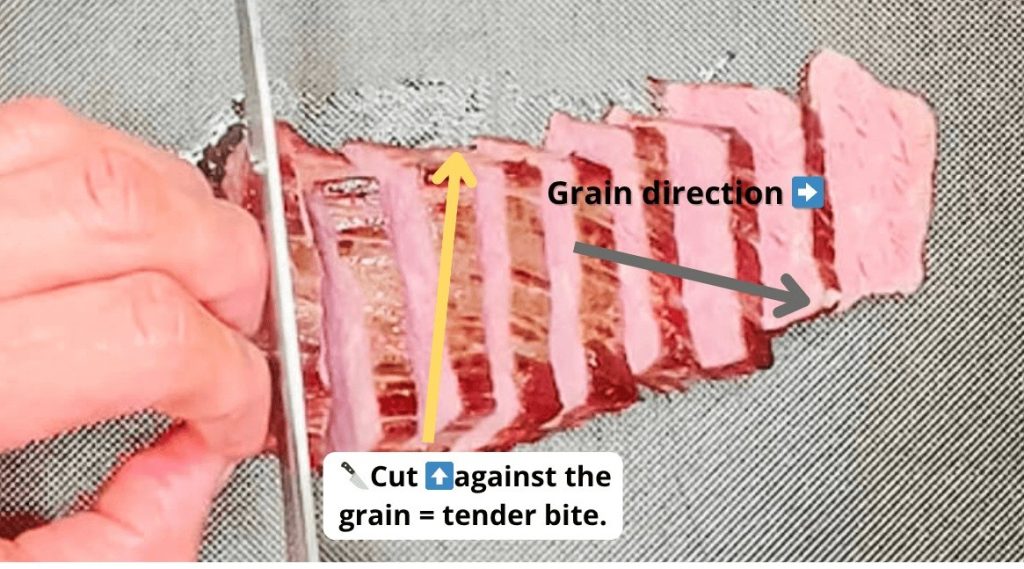
Cutting across the grain is the key to tender, silky beef. The grain shows as fine lines running through the meat — slice across those lines, not in the same direction. For stir-fry, cut the beef thinly on a slight angle to create wider surfaces that soak up the sauce. For steak, slice after resting to keep the juices in and the texture soft all the way through
Pro Tip: The Secret Behind a Perfect Marinade

Beef, soy sauce, egg, and starch added before mixing – first step of the black pepper teriyaki beef marinade 
Adding corn starch to the marinated beef — this step creates a light coating that keeps the stir-fry glossy and tender. 
Final marinade step — oil added to coat the beef, sealing in moisture and preventing sticking during stir-fry.
In Chinese-style stir-fries, there’s a proven order for velveting meat — and it’s the same logic I use here for my Black Pepper Teriyaki Beef.
1️⃣ Season first: Soy sauce and sake soak into the meat for base flavor.
2️⃣ Add egg: The egg binds moisture and creates a silky coating.
3️⃣ Add starch: Cornstarch (or potato starch) forms a thin film that seals the juices.
4️⃣ Finish with oil: A light layer of oil prevents sticking and keeps the coating intact during high-heat cooking.This step order comes straight from classic Chinese velveting techniques — you can see it illustrated in professional Japanese cooking guides too (like the one above). It’s why the beef stays tender, glossy, and evenly coated once it hits the pan.
Bicarb Tenderizing Guide (Tested Ratios & Tips)
✅ Sweet spot (tested): 1 g bicarb per 150 g beef (≈ 0.67 %)
This level softens flank, rump, and similar lean cuts without turning mushy. Even after 24 hours in the fridge, the texture stays juicy and natural.
💡 How much is too much or too little
- 0.3 % or less → barely softens, mainly improves browning.
- 0.5 – 0.7 % → ideal range (my preferred balance).
- Above 1 % → over-tenderized, spongy, slightly alkaline taste.
🥩 Cut-specific recommendations
- Flank / Rump / Topside (Top Round) → best at 0.6–0.7 %. Lean and benefits most from tenderizing.
- Eye Fillet, Sirloin, Ribeye (Scotch Fillet) → naturally tender — skip the bicarb step. For these, follow the Steak Version → instead of marinating with the rest of the stir-fry ingredients, or simply season and cook as is.
- Brisket, Chuck, Blade Roast → not recommended for stir-fry. These cuts have heavy connective tissue that needs slow cooking or sous-vide, not bicarb. Even with tenderizer, they stay chewy when flash-fried.
🔧 Practical Tips
- Water → helps distribute bicarb evenly and adds slight moisture absorption.
- Rinsing → not needed at these low ratios — just mix, rest, and season.
🥚 Egg vs No Egg (Texture Test)
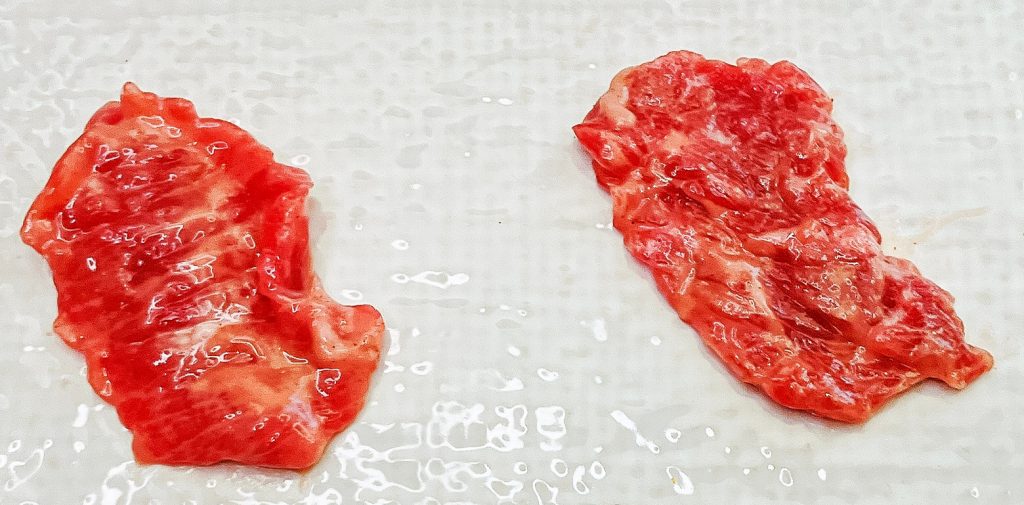
Beef with egg marinade (left) shows smoother coating; no-egg version (right) keeps a firmer texture. 
Egg version (left) stays smoother and slightly softer; no-egg version (right) has a firmer, meatier bite.
Lean stir-fry cuts like flank, rump, or topside benefit from a touch of egg in the marinade — it adds moisture and creates that silky “restaurant” coating you feel in good wok dishes.
Without egg, the texture is a little firmer and drier (still tender, just with more bite).
💡 Chef’s Tip:
You only need a small amount — usually less than half an egg per 300 g beef.
Use the leftover egg for fried rice, or my Cauliflower Fried Rice (see the Cauliflower Rice Guide →) to keep waste low and complete the meal perfectly.
Step-By-Step Black pepper Teriyaki Beef (Stir-Fry)

Slice thinly against the grain for tender stir-fry beef. Beef, soy sauce, egg, and starch added before mixing – first step of the black pepper teriyaki beef marinade Adding corn starch to the marinated beef — this step creates a light coating that keeps the stir-fry glossy and tender. 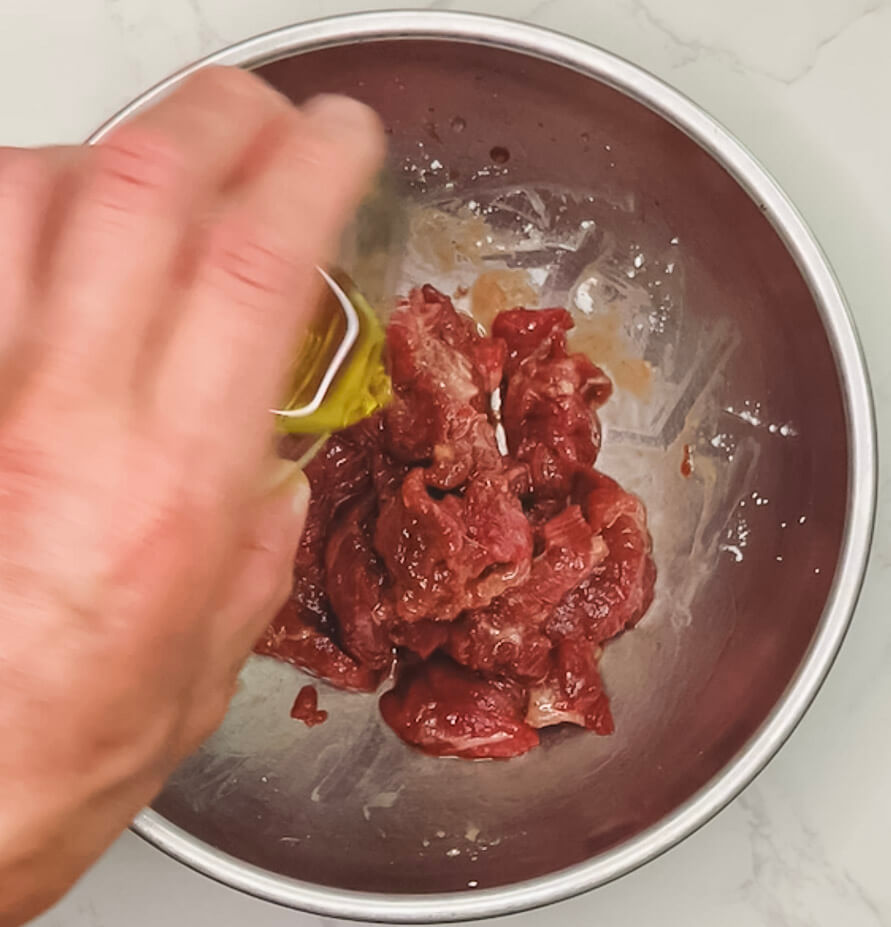
Drizzle a little oil to seal the coating and prevent sticking before cooking. 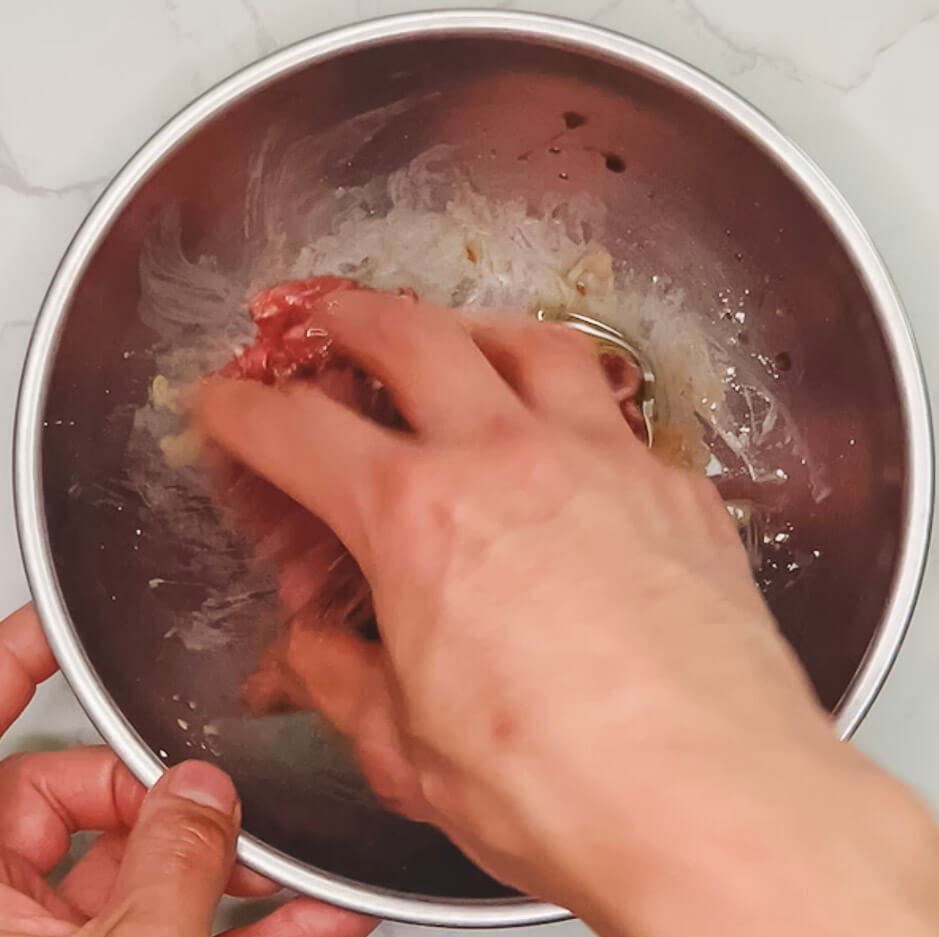
Mix until the beef looks glossy and evenly coated before resting Final marinade step — oil added to coat the beef, sealing in moisture and preventing sticking during stir-fry.
Step 1 – Marinate the Beef (5 min + 10–15 min rest)
- Slice against the grain (thin, bite-size).
- Season: Add soy sauce, a splash of water, salt + pepper, and optional sake/Shaoxing. (If using bicarb for flank/rump/topside, add 0.6–0.7% of meat weight now; no rinse.)
- Egg (optional): Mix in just enough beaten egg to lightly coat (about ½ egg / 300 g beef).
- Starch: Dust with potato starch (or cornflour) and toss until evenly coated.
- Oil: Drizzle a little neutral oil and fold through to seal the coating and prevent sticking.
- Rest: Let sit 10–15 minutes while you prep vegetables and sauce.
Stir-Fry Path (main)

Whisk together soy sauce, water, golden syrup, sugar, garlic, and black pepper. 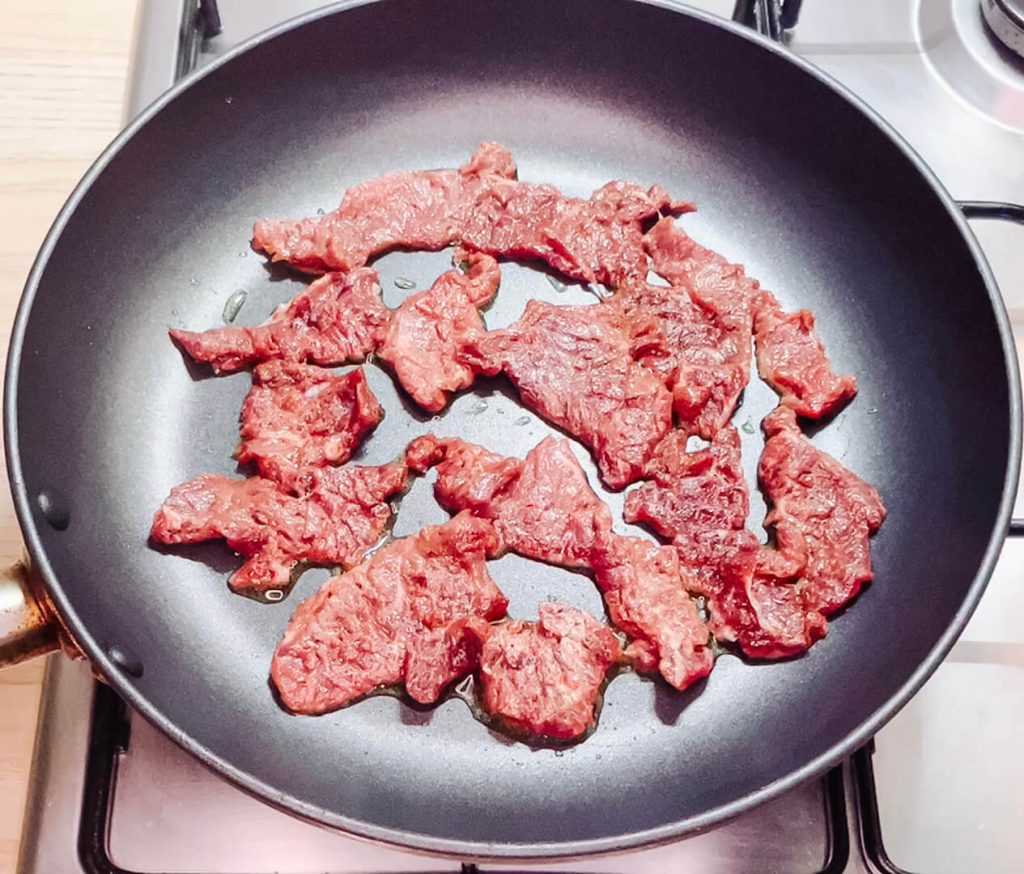
Sear the first side of the beef without stirring to get a nice char. 
Flip and sear the other side until browned and 70% cooked. 
Cook asparagus and broccoli first, then add onion in the next step. 
Add onion and stir-fry for one more minute until slightly softened. 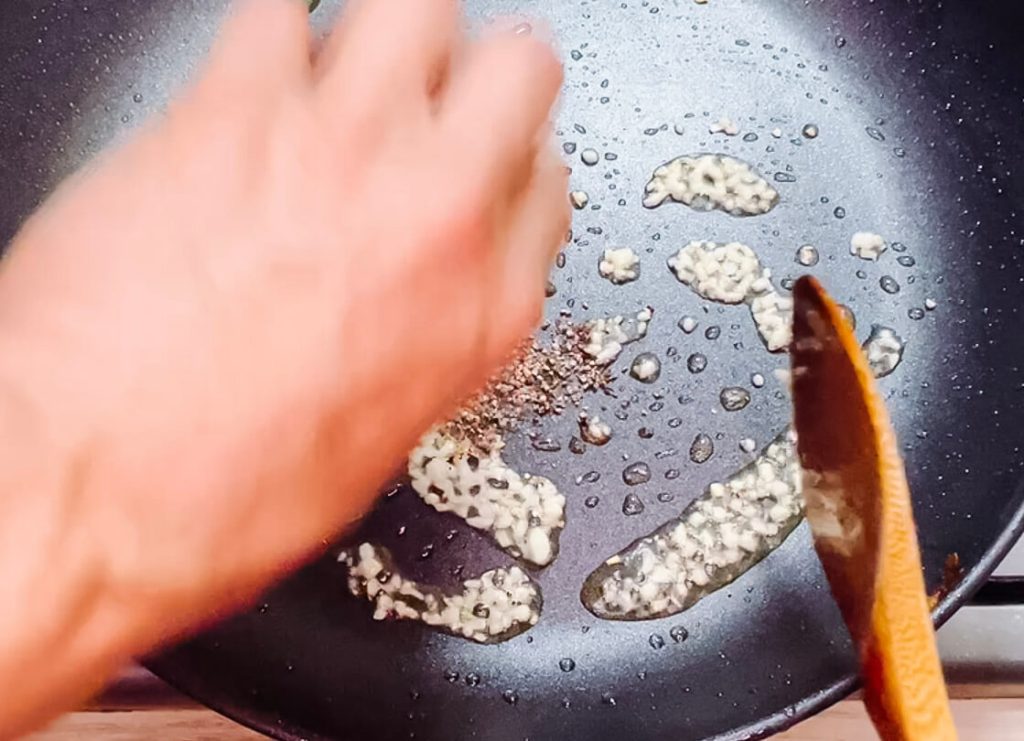
Sauté garlic and black pepper until fragrant before adding the sauce. 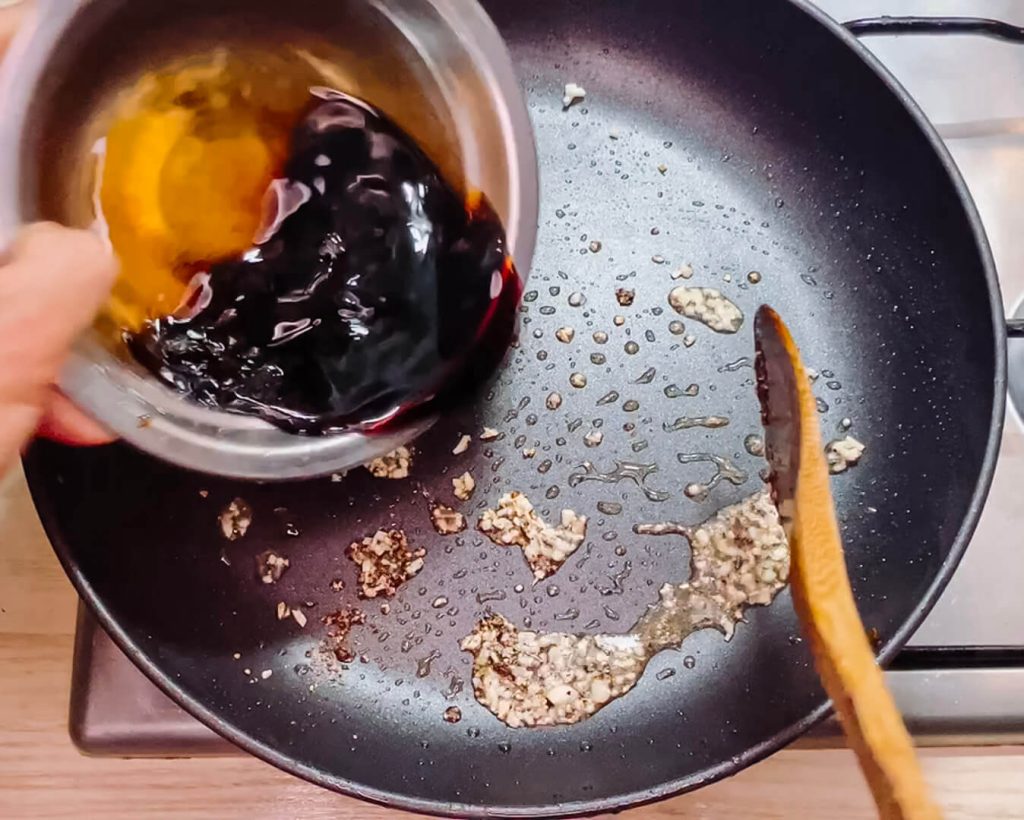
Pour in the teriyaki sauce and let it bubble until glossy. 
Simmer until the sauce thickens and turns glossy before adding the beef back in. 
Return beef and vegetables to the pan and toss to coat evenly in the glossy sauce. 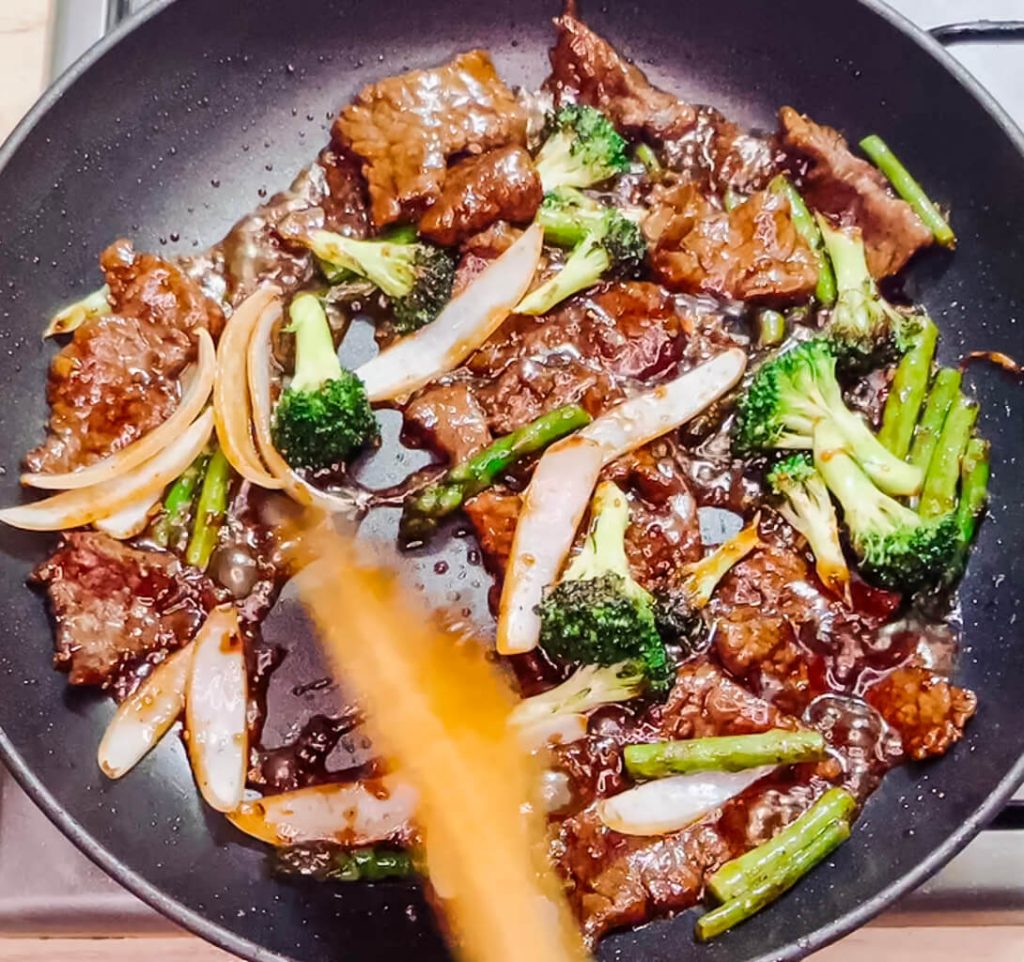
Toss everything together until coated in the thick, shiny teriyaki glaze.
Step 2 – Make the Sauce
Whisk together soy sauce, water, golden syrup (or honey), sugar, garlic, and black pepper in a small bowl.
For keto: use your Keto Teriyaki Sauce ratio instead. Keep the bowl near the stove.
Step 3 – Sear the Beef
Heat a wok or large pan on high until just smoking, then add a small drizzle of oil.
Spread the beef in a single layer. Sear without stirring for 30–45 sec to build char.
Flip and sear the other side until browned and 70–80% cooked. Remove to a plate.
Step 4 – Cook the Vegetables
In the same pan, add a touch of oil if needed.
Add asparagus and small broccoli florets and stir-fry 45–60 sec to brighten.
Add onion and cook 1 min more until slightly softened. Remove vegetables to the plate with the beef.
Blanching option: You can blanch broccoli + asparagus 45–60 sec in salted boiling water instead of stir-frying first; drain well. (Stir-frying directly gives more char and aroma.)
Step 5 – Glaze & Combine
In the same pan, sauté garlic and black pepper (from the sauce bowl or extra) 5–10 sec until fragrant.
Pour in the teriyaki sauce and let it bubble and reduce until thickened and glossy.
Return vegetables and beef to the pan and toss to coat evenly in the glaze.
Plating

Plate the beef neatly, drizzle with extra glaze, and garnish with scallions or sesame seeds. 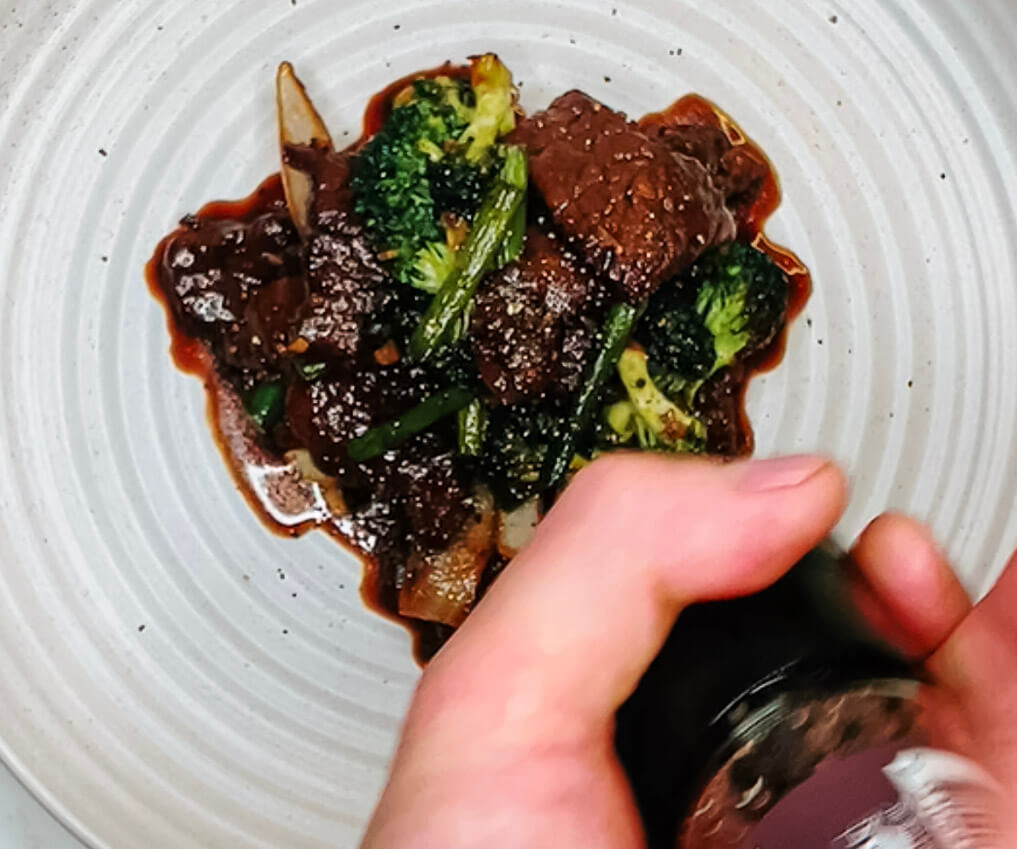
Finish with freshly ground black pepper and a sprinkle of sesame seeds. 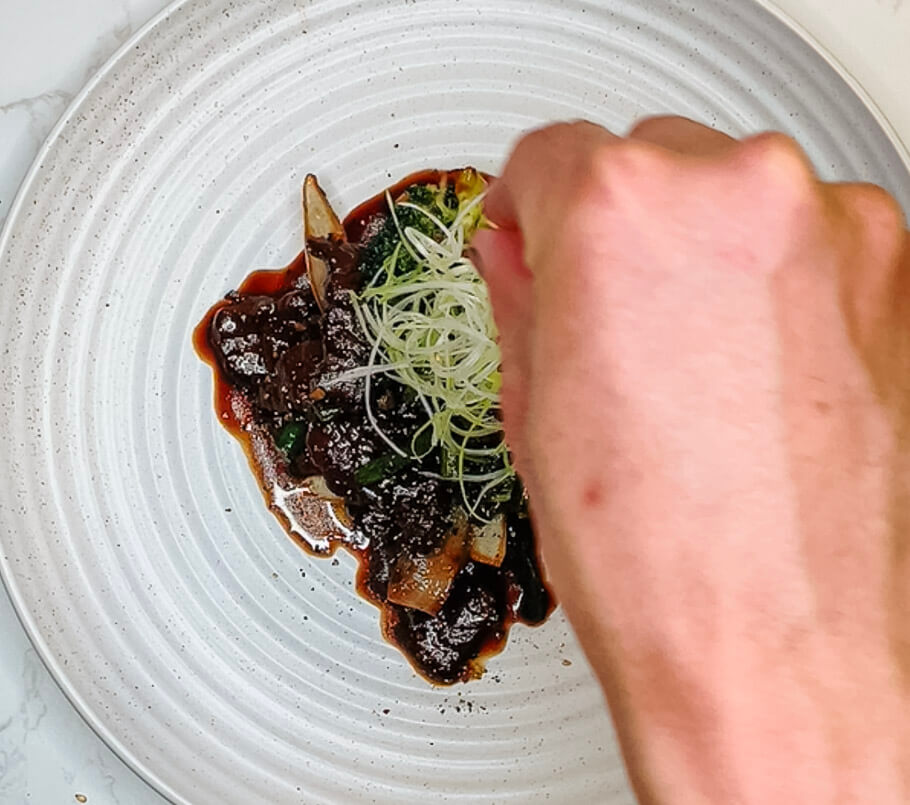
Top with scallions or sesame seeds for a fresh finish. Juicy beef stir-fried with broccoli and asparagus in a glossy black pepper teriyaki glaze.
Step 6 – Serve Black Pepper Teriyaki Beef
- Plate the stir-fry: Spoon the glossy beef and vegetables onto a warm plate.
- Season to taste: Finish with a light grind of fresh black pepper for aroma.
- Garnish: Add shredded scallions (or spring onion curls) for color and freshness.
- Optional: Sprinkle sesame seeds for texture and a subtle nutty finish.
Serve immediately with steamed rice or cauliflower rice.
Black Pepper Teriyaki Beef Steak Upgrade (bonus)
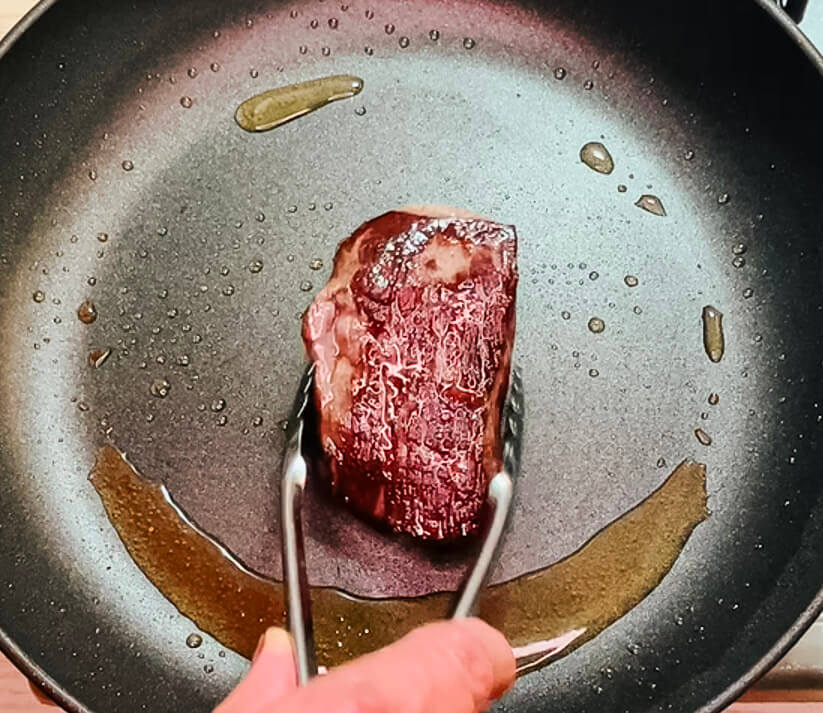
Sear steak on both sides until browned before adding the teriyaki glaze. 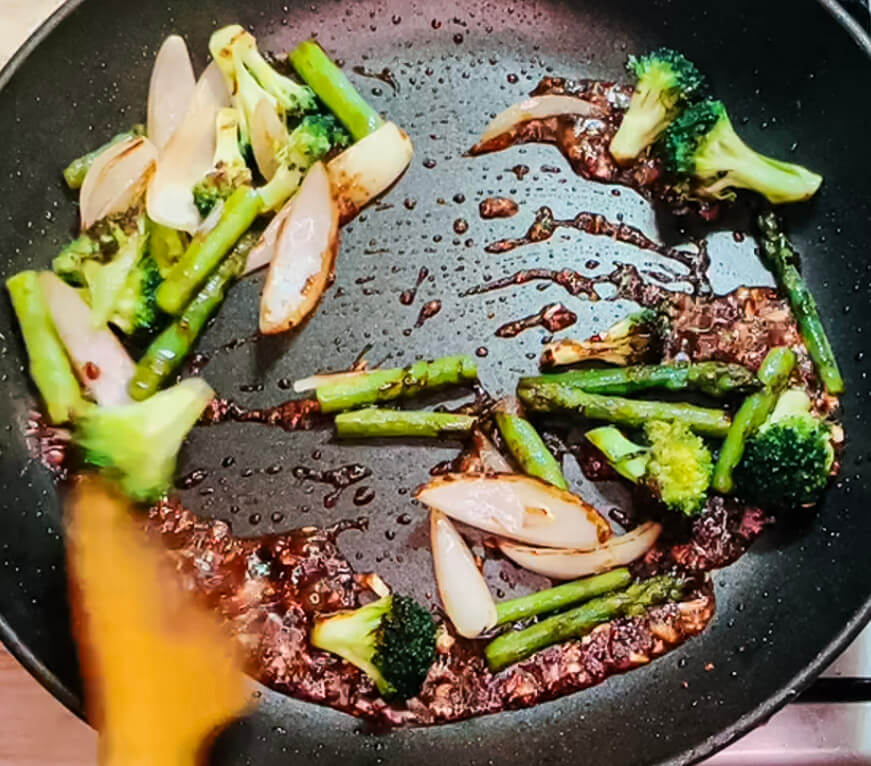
Simmer vegetables in teriyaki sauce before glazing the steak. 
Slice the steak against the grain for a juicy, tender bite. 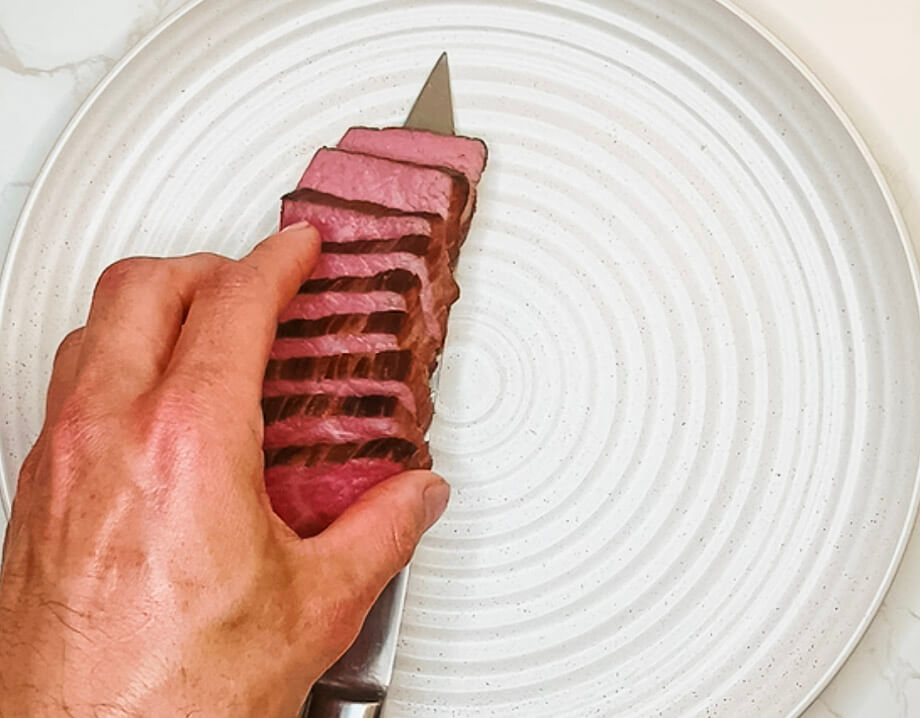
Arrange sliced steak on the plate before adding the vegetables and glaze 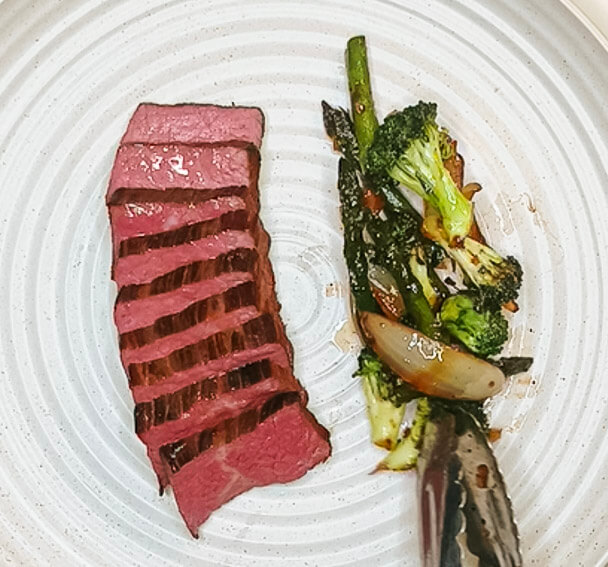
Serve the sliced steak with glazed vegetables and drizzle over the teriyaki sauce. 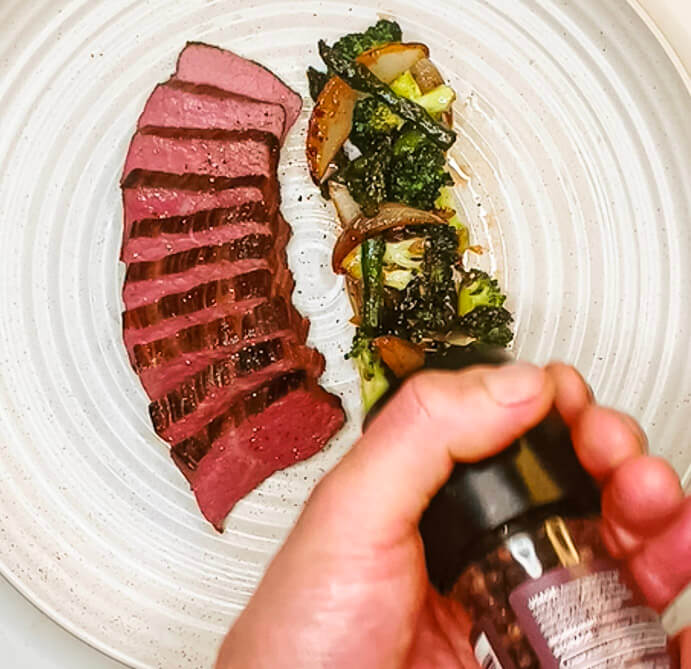
Finish with a sprinkle of black pepper and a drizzle of sauce before serving. 
Spoon or pour the teriyaki glaze over the sliced steak for a shiny finish. 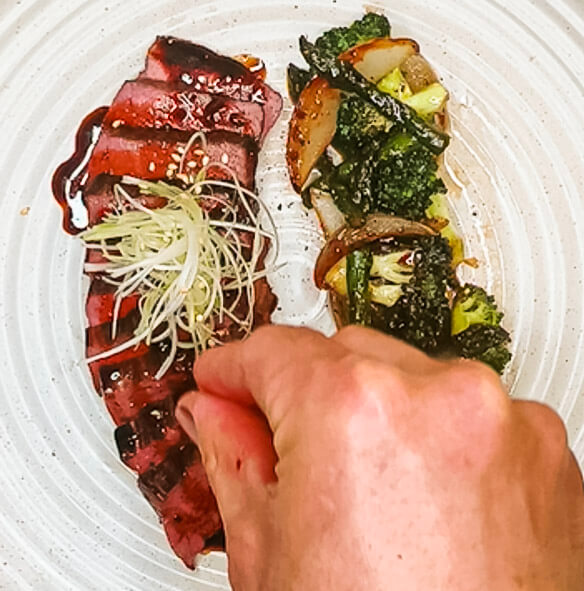
Add the final garnish just before serving for a fresh, restaurant-style finish. Glossy black pepper teriyaki steak served with asparagus and broccoli – the premium version of this recipe.
- Sear the steak:
Sear steak on both sides over medium-high heat until browned and cooked to your liking.
Transfer to a board and rest for 5 minutes. - Cook the vegetables:
In the same pan, add a little oil and cook asparagus and broccoli for 45–60 seconds.
Add onion and cook 1 minute more, then remove and set aside. - Make the glaze:
In the same pan, sauté garlic and black pepper for 5–10 seconds until fragrant.
Pour in the teriyaki sauce (same as the stir-fry version) and reduce until thick and glossy. - Coat the vegetables:
Return the cooked vegetables to the pan and toss them in the reduced glaze until coated.
Reserve a little of the sauce in the pan for plating. - Slice & plate:
Slice the rested steak against the grain, then arrange on a plate beside the glazed vegetables.
Spoon or drizzle the reserved sauce over the steak for a shiny finish. - Finish & serve:
Top with freshly ground black pepper, scallion curls, and sesame seeds (optional).
Serve immediately.
Frequently Asked Questions
Can I skip the bicarb?
Yes — if you’re using tender cuts like eye fillet, sirloin, or ribeye, you can skip it completely. For leaner cuts such as flank, rump, or topside, use about 0.6–0.7% bicarb (1 g per 150 g beef) for that restaurant-style tenderness.
Can I make it without mirin or sake?
Absolutely. This recipe is designed as a pantry-friendly version, so you can skip both. Just use the sauce as written — it still has a deep, glossy flavor. For kids, reduce or add the black pepper at the end to keep it mild.
Is it keto-friendly?
Yes — simply swap the teriyaki sauce for the keto version (made with monk fruit sweetener) and serve it with cauliflower rice instead of regular rice.
Final Thoughts of Black Pepper Teriyaki Beef
Black Pepper Teriyaki Beef sits right in the sweet spot: fast enough for weeknights, polished enough for guests.
Use the stir-fry path when you’ve got pre-sliced beef and want dinner in 20 minutes; switch to the steak upgrade when you’ve got a nice eye fillet, sirloin or rib eye and want that glossy, restaurant finish.
Make it your Black Pepper Teriyaki Beef
- Heat: dial the pepper up (or finish at the table) to keep it kid-friendly.
- Sauce: pantry teriyaki works great; try my Ultimate Teriyaki Sauce Guide → for traditional or keto versions.
Leftovers & prep
- Keeps 3–4 days in the fridge. Reheat gently in a pan with a splash of water to loosen the glaze.
- Slice and freeze raw beef in stir-fry portions; the marinade mixes in minutes when you’re ready to cook.
- If you used egg in the marinade, you’ll have some leftover egg for fried rice or another quick stir-fry.
Black Pepper Teriyaki Beef (No Mirin or Sake) – 30-Minute Stir-Fry + Steak Upgrade
Equipment
- 1 Wok or large frying pan
- 2 mixing bowls
- 1 Tongs
- 1 Knife
- 1 Cutting Board
Ingredients
Beef Marinade (Serves 4)
- 600 g beef topside beef (top round), flank, or rump, thinly sliced against the grain
- 80 g water helps distribute bicarb evenly
- 4 g baking soda bicarb tenderizes lean cuts (≈ 0.67 %)
- 20 g sake or Shaoxing wine optional adds aroma
- 20 g soy sauce or tamari
- 2 g salt & pepper mix or a light pinch of salt and white pepper
- 32 g whisked egg about 2 Tbsp
- 20 g potato starch or cornflour
- 20 g neutral oil seals coating & prevents sticking
Black Pepper Teriyaki Sauce
- 120 g soy sauce or tamari for gluten-free
- 180 g water
- 60 g golden syrup or honey
- 80 g sugar adjust to taste
- 4 cloves garlic finely chopped ≈ 20 g total
- 6 g black pepper plus freshly ground to finish
Vegetables & Garnish
- 180 g broccoli florets bite-sized
- 2 bunches asparagus ≈ 16 spears cut into 3–4 cm pieces
- 160 g onion sliced
- 1 tbsp oil for stir-frying
- 2 scallions spring onions finely shredded, for garnish
- 1 tbsp sesame seeds optional
Instructions
- Step 1 – Marinate the Beef (10–15 min rest)
- Slice beef thinly against the grain into bite-sized strips.
- In a bowl, mix soy sauce, water, salt, pepper, and sake (if using).
- Add bicarb and mix briefly, then add the egg and stir to coat.
- Dust with potato starch and toss until glossy.
- Drizzle in neutral oil and mix again to seal the coating.
- Let rest 15 minutes while preparing vegetables and sauce.
Step 2 – Prep the Vegetables
- Cut broccoli into small florets and asparagus into 3–4 cm pieces.
- Slice onion thinly.
- If blanching: cook broccoli and asparagus in boiling salted water for 45–60 seconds, drain well.
- Otherwise, stir-fry directly in Step 4 for a deeper char.
Step 3 – Make the Sauce
- In a small bowl, whisk together soy sauce, water, golden syrup or honey, and sugar. Keep the chopped garlic and black pepper separate for Step 5..
Step 4 – Sear the Beef
- Heat a wok or large frying pan over high heat until just smoking.
- Add 1 teaspoon of oil and spread the beef out in one layer.
- Sear without stirring for 30–45 seconds, then flip and cook the other side until browned (about 70–80% cooked).
- Remove beef to a plate.
Step 5 – Glaze & Combine
- In the same pan, sauté garlic and black pepper (optional extra) for 5–10 seconds.
- Pour in the teriyaki sauce and simmer 20–30 seconds until glossy and slightly thickened.
- Return beef and vegetables to the pan, tossing quickly to coat evenly in the glaze.
Step 6 – Serve
- Spoon the glossy beef and vegetables onto a warm plate.
- Finish with freshly ground black pepper and garnish with scallion curls and sesame seeds.
- Serve with steamed rice or cauliflower rice for a lighter version.
Notes
You can blanch broccoli and asparagus in salted boiling water (45–60 seconds) for brighter color and less oil, but stir-frying directly gives a deeper flavor and helps the sauce cling better. Blanched vegetables may dilute the glaze slightly.
Tried it? Rate the recipe ⭐⭐⭐⭐⭐, leave a comment with your cut/pepper tweaks, and tag me on Instagram @SeasonedWithFlavor so I can see your plate!
👉 Thanks for visiting! If you try this recipe, I’d love to hear how it turned out.
Leave a comment or tag me on Instagram @seasonedwithflavor — it makes my day!
👉 Want to master teriyaki? Check out my Ultimate Teriyaki Sauce Guide for variations, including gluten-free, keto-friendly, and budget options.